Today, Nov. 3, is the last day for Texans to vote in this year’s midterm elections, which include races for Texas governor, a U.S. Senate position, all 38 U.S. House of Representatives seats, all 150 state House seats, 16 state Senate seats and more.
At the local level, ballots may include candidates for district judges, county positions, city council seats, school board seats and local propositions.
What you need to know
Travis and Williamson counties allow residents to vote at any local polling site through the countywide polling place program. Polls will be open 7 a.m.-7 p.m. Travis County residents can find polling locations here and Williamson County residents can find more information here.
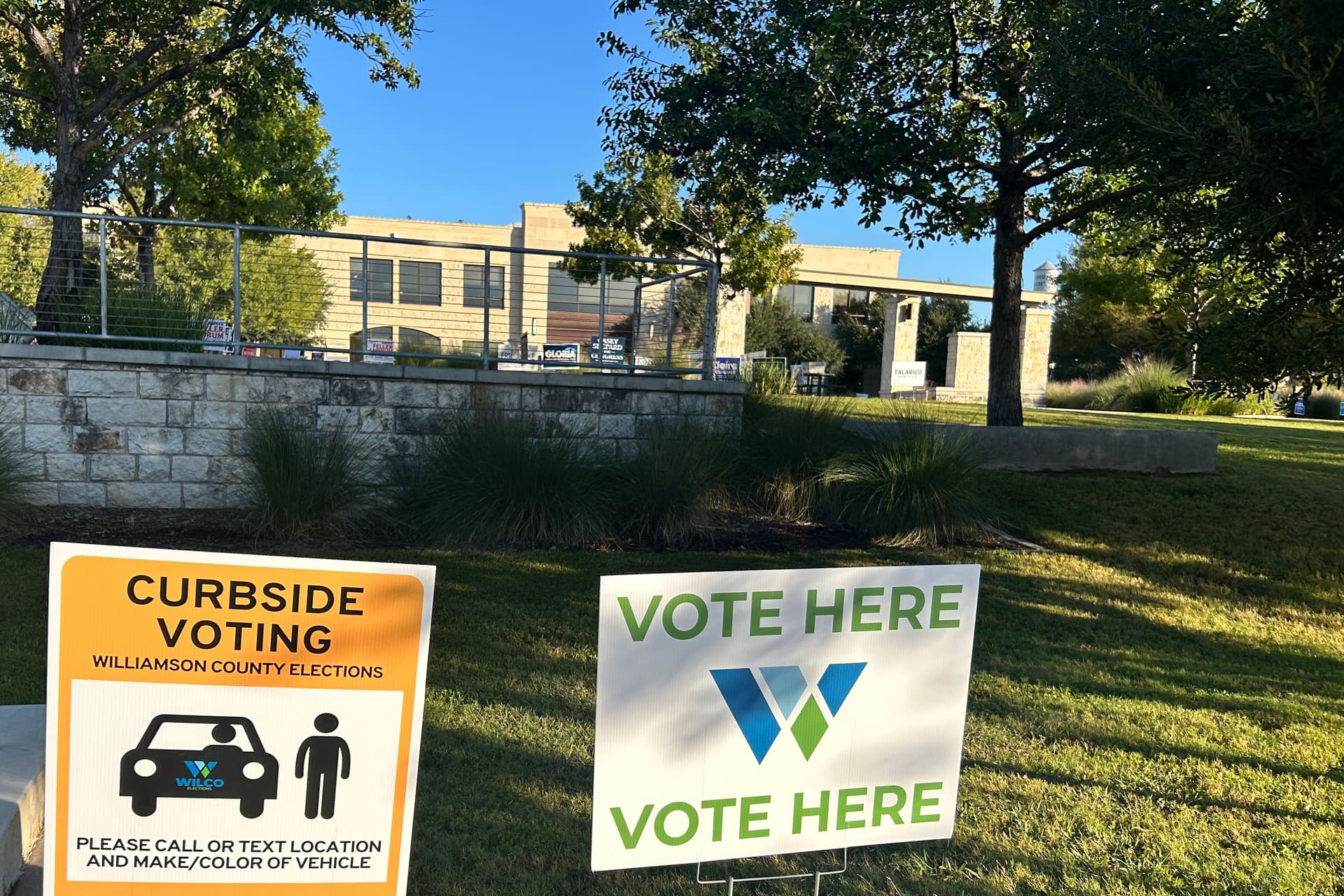
Per state law, each polling place must include at least one parking space for curbside voting, which is reserved for people who are "physically unable" to enter the building due to a disability or injury. Voters may also receive assistance marking their ballot if they are blind, have a disability or cannot read or write, and they may use an interpreter if they do not speak English.
State law requires voters to register in advance of an election, and the voter registration deadline for the midterms was Oct. 5. Registered voters can review their registration at any time here, and others can register for future elections here.
On the ballot
Residents in the Northwest Austin area may see a variety of elections for federal and state positions, including races for U.S. House District 10, U.S. House District 11, U.S. House District 17, U.S. House District 37, Texas Senate District 5, Texas Senate District 24, Texas House of Representatives District 47, Texas House of Representatives District 48, Texas House of Representatives District 49 and Texas House of Representatives District 50.
At the polls
If a voter runs into an issue at the polls that cannot be immediately resolved—such as a lack of photo ID or an administrative error—they have the right to cast a provisional ballot, per state law. According to the Texas Association of County Election Officials, the voter must sign an affidavit stating they are registered in their county and otherwise eligible to vote.
Texas law requires voters to bring one of seven forms of identification to the polls:
A Texas driver's license (issued by the Texas Department of Public Safety)
A Texas personal ID card (issued by DPS)
A Texas handgun license (issued by DPS)
A Texas election ID certificate (issued by DPS)
A U.S. military ID card with the voter’s photograph
A U.S. citizenship certificate with the voter’s photograph
A U.S. passport
If a voter has issues with their photo ID, they may be required to return to the local voter registrar's office by Nov. 9—six days after Election Day—to present an acceptable ID or other documentation. To cast a traditional ballot, voters without an approved ID may also sign a “reasonable impediment declaration” at the polls and present an alternate form of identification, such as a birth certificate, a current utility bill or a paycheck.
One more thing
Results will be updated on Community Impact’s election page here.
To learn more about this year’s early voting turnout and what statewide elections voters can expect to see on their ballots, visit here.