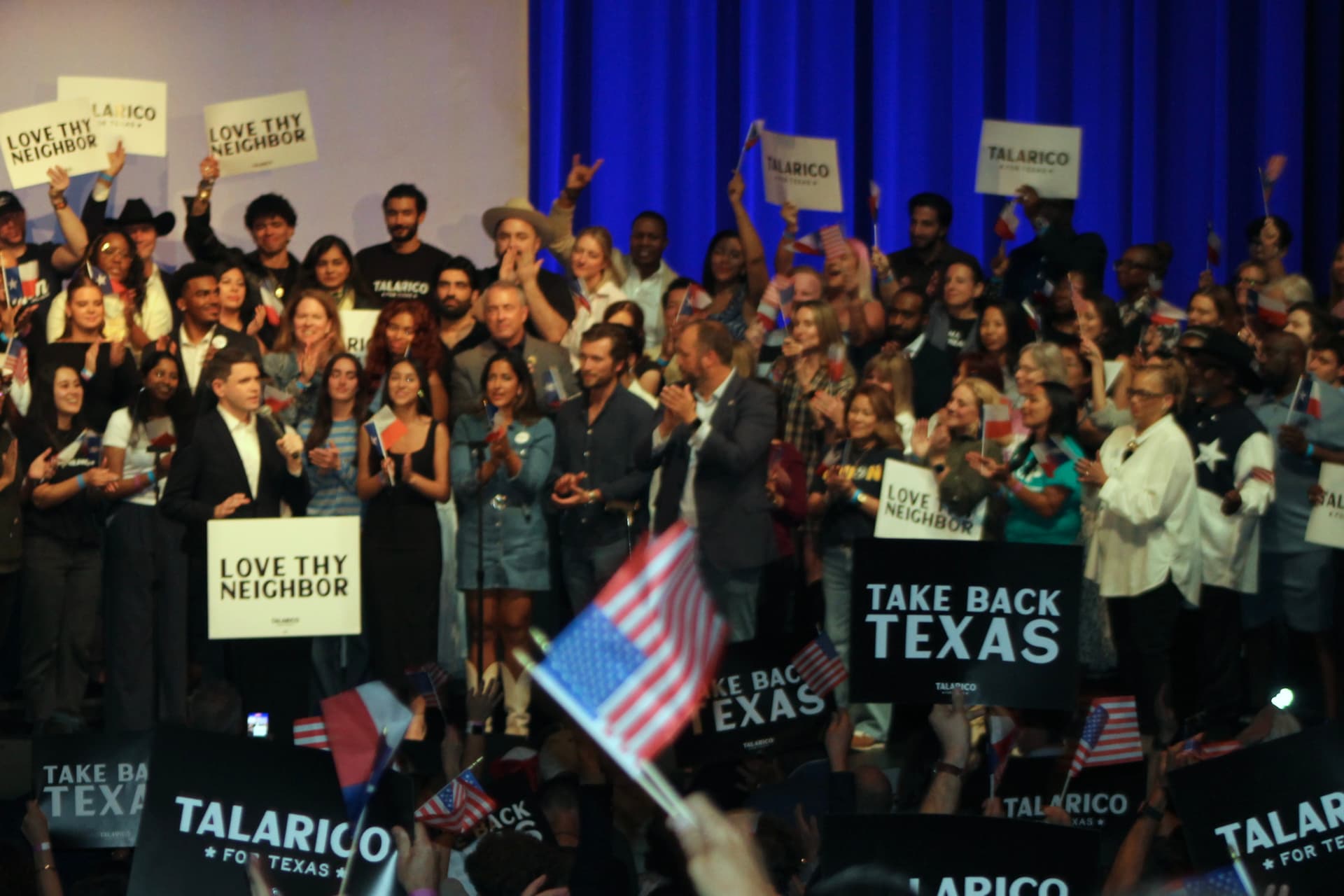
Amid this November's blue wave, Texas voters largely rejected local tax and bond propositions, sometimes shooting down hundreds of millions of dollars in proposed funding as taxpayers and local governments alike feel the strain of inflation.
All but one of sixteen funding measures in Community Impact's coverage areas were voted down, unofficial election results show.
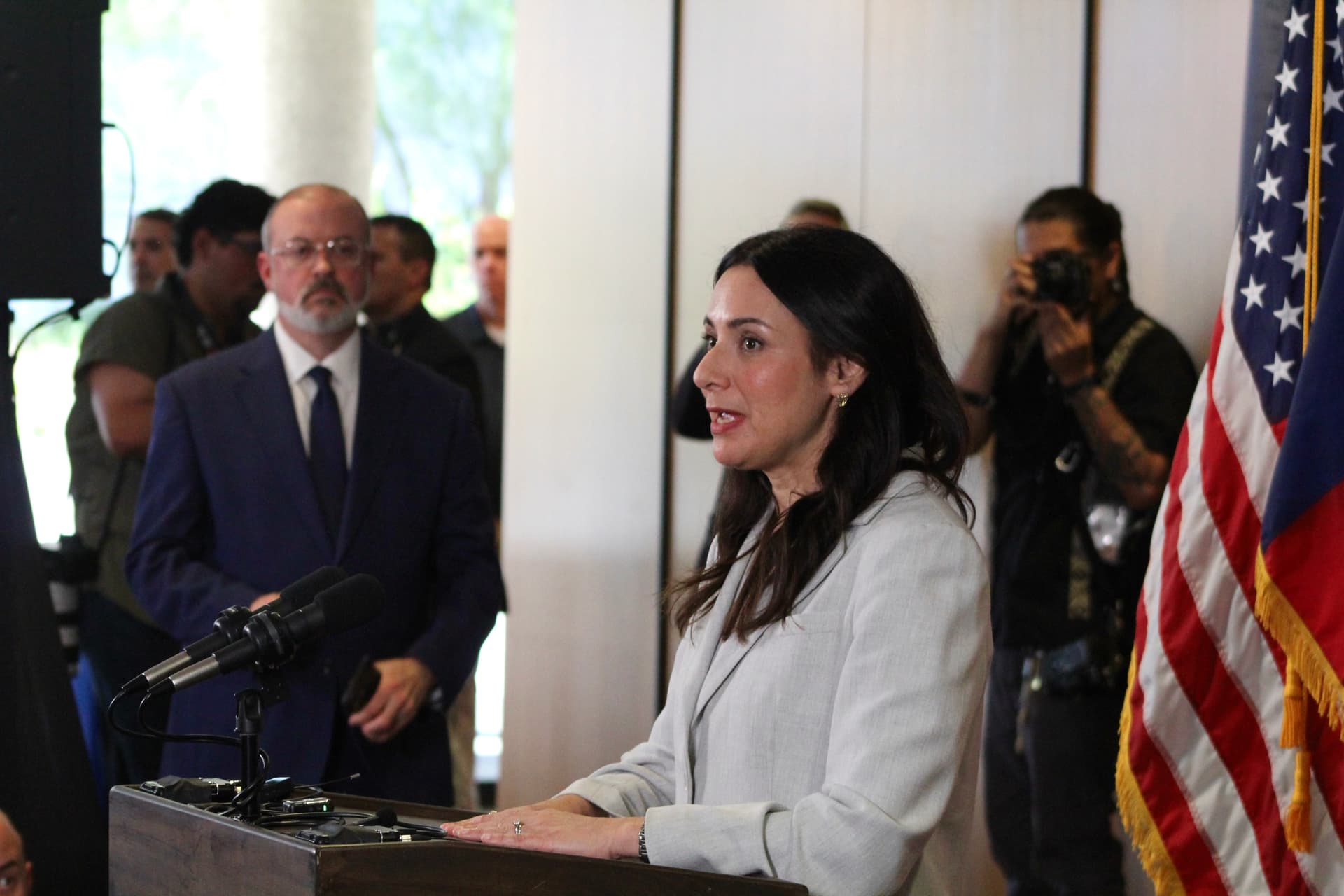
"This was an affordability election all around," said Shannon Halbrook, who leads fiscal policy research for the progressive think tank Every Texan. "Voters were thinking about the affordability crisis in this election. It explains why they voted for such a dramatic change in state leadership, and I think it explains why voters were also reluctant to approve these [tax rate elections] and bonds, which essentially represent tax increases."
The big picture
Across Community Impact's coverage areas, residents voted against funding increases for educator salaries, school facilities, homelessness programs, judicial centers and a sports arena.
Fifteen tax and bond packages across the Austin, Houston, Bryan-College Station and Dallas-Fort Worth metro areas were rejected by voters in the Nov. 3 election, previous Community Impact reporting shows.
In Austin, voters approved two city bond measures totaling $295 million, which will fund improvements to city parks, allow the city to acquire new parkland and bankroll two library projects, according to Community Impact reporting. All other bond propositions and tax rate elections in Community Impact's coverage area were voted down.
Statewide, at least 299 bond propositions totaling $64 billion in proposed funding appeared on local ballots, according to the Texas Bond Review Board's election database. As of press time Nov. 12, the board's records did not list the results of local bond elections, and the board does not track tax rate elections.
Under two 2025 state laws, local governments are required to report post-election information about bonds to the review board within 20 days after the election—Nov. 23 this year—and send the state comptroller's office information about this year's bond and tax rate elections by Aug. 7.
What it means
There are two types of tax-related measures on local ballots: Bonds, which impact a local government's interest and sinking tax rate, or local debt; and voter-approval tax rate elections, which impact a local government's maintenance and operations tax rate.
Cities, counties, school districts, municipal utility districts and other local government entities use funding from tax hikes to build new schools and facilities; hire educators and first responders; and maintain local infrastructure. In the greater Austin area, voters rejected Bastrop ISD's first proposed tax hike in 21 years, previous reporting shows, while some local entities frequently have bond proposals and tax rate increases on the ballot.
"Taxpayers recognize that we need local governments, we need roads, we need police [and] we need fire, but what taxpayers need the local governments to do is start prioritizing the essentials," said Andrew McVeigh, president and CEO of the conservative nonprofit Texans for Fiscal Responsibility. "And if they start employing fiscal discipline and stop putting a bond on the ballot year after year, which many of these jurisdictions do, ... maybe they'll be able to win back trust from the taxpayers."
Halbrook pointed to Austin's bond election as an example of local officials reworking a funding request to better serve the community. Last November, nearly two-thirds of voters rejected Austin's Proposition Q, a 20% tax rate increase that would have provided additional funding for city programs related to homelessness, public safety and parkland maintenance.
"[Austin leaders] were a little more modest with what they were asking for from voters, and they were very upfront about what the bonds were going to pay for," Halbrook told Community Impact. "It gave voters a chance to really evaluate the proposal on its own merits and based on cost."
The new city debt approved Nov. 3 is expected to add more than $40 to the typical Austin homeowner's tax bill by the early 2030s, Community Impact reported.
"The lesson we can and should take from the voters is that we can be an ambitious city and a disciplined city," Austin Mayor Kirk Watson said in a Nov. 4 statement. "In fact, we need to be both."
More details
In Plano, voters rejected new venue taxes that would have been used to redevelop the Willow Bend Mall and build a proposed $1 billion arena for the Dallas Stars hockey team in its place. At a Nov. 9 City Council meeting, some Plano residents expressed concerns about the use of city funds for the arena and how the community would change if the project goes through, according to previous reporting.
While Plano officials did not address residents at the Nov. 9 meeting, they previously said they planned to reassess the financial approach for the arena project.
"Local governments have to work with their residents to sort of figure out what residents are willing to pay for and what they're not so much able to pay for," Halbrook said. "Something I'm going to be interested in seeing when the legislative session starts is ... to what extent the [new Democratic] leadership and the legislature will change the interaction between the legislature and local governments and school districts. ... The things that schools, and especially local governments, buy have gone up more than general inflation overall."
Texans can find more local election results and coverage at communityimpact.com/voter-guide.