The long-term reliability of water supplies in Central Texas is a top priority for local and regional officials. Stay up to date with three recent water-related stories impacting Cedar Park residents.
Cedar Park officials are considering raising water and wastewater rates from 2027 to 2029, a move city staff says will be necessary to maintain operations amid repeated droughts.
The plan
The city charges customers a fixed monthly rate plus additional tiered charges that increase based on how much a customer uses.
Currently, the city does not charge customers for their first 2,000 gallons of water or wastewater. A new proposed rate plan would change that, charging customers for every gallon of water used, said Justin Rasor, a senior manager with utility management consultant Raftelis. The proposal would also increase the fixed monthly charges and the tiered per-thousand-gallon charges every year beginning in 2027 through 2029.
Overall, the average monthly residential water and wastewater utility bill is projected to increase from $88.11 to $140.61—a difference of about 60%—by 2029 under the proposed rate adjustments, according to city data.
As Williamson County’s population grows, local officials are working to get ahead of water demand.
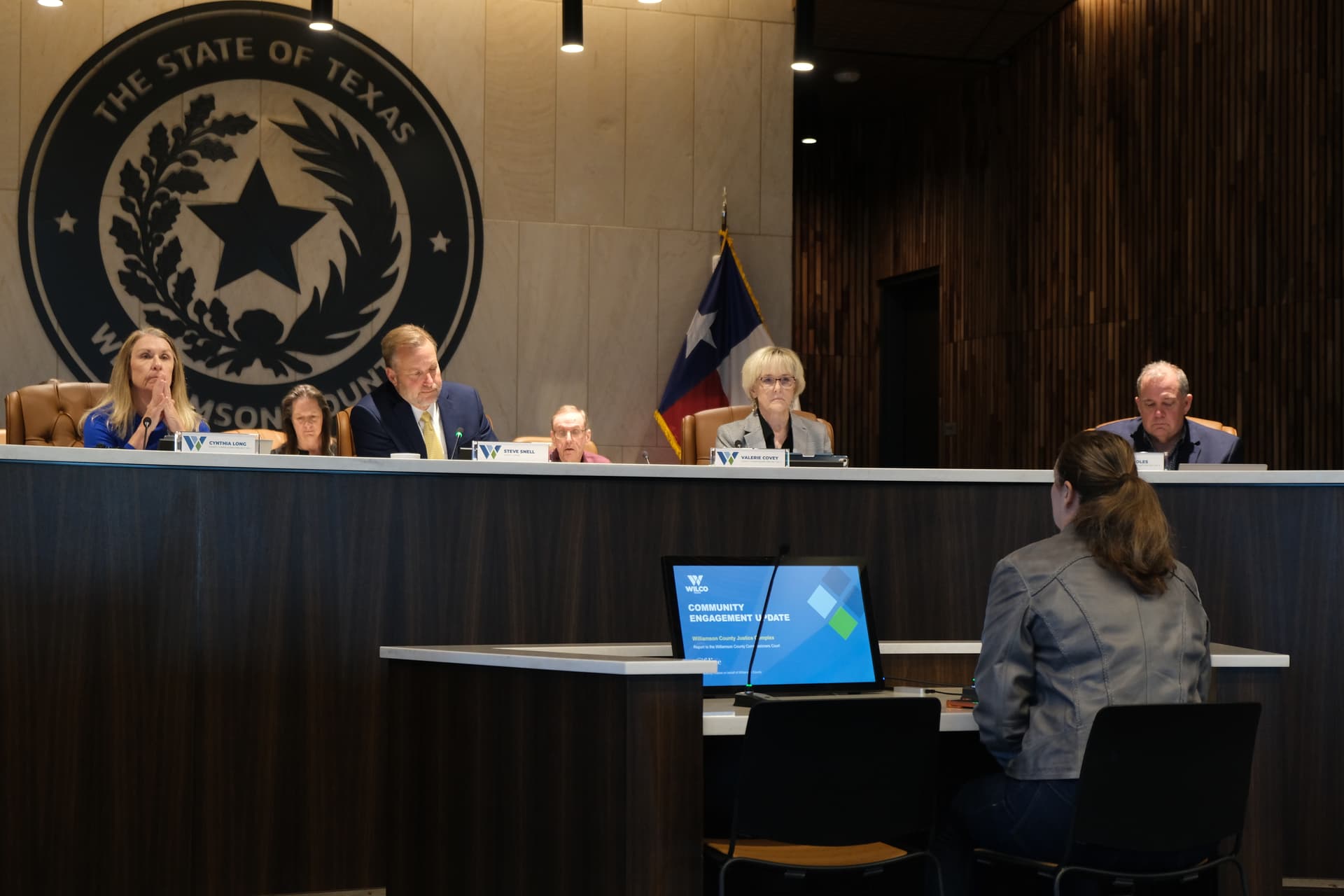
At a Sept. 3 Round Rock Chamber Momentum breakfast, County Judge Steven Snell, Round Rock Public Works director Michael Thane, and Brazos River Authority CEO and General Manager David Collinsworth answered questions on a panel about the future of water planning and infrastructure in the county.
In a nutshell
Thane said an upcoming 12-month study of 20 of the county’s largest water utilities will identify immediate water supply and treatment shortfalls as well as plan regional solutions.
“One utility cannot afford to build the infrastructure by themselves, so there may be many solutions,” Thane said. “There will be regional solutions where these water utilities in Williamson County work together to help build out that infrastructure, whether it’s treatment or transmission pipelines across the county.”
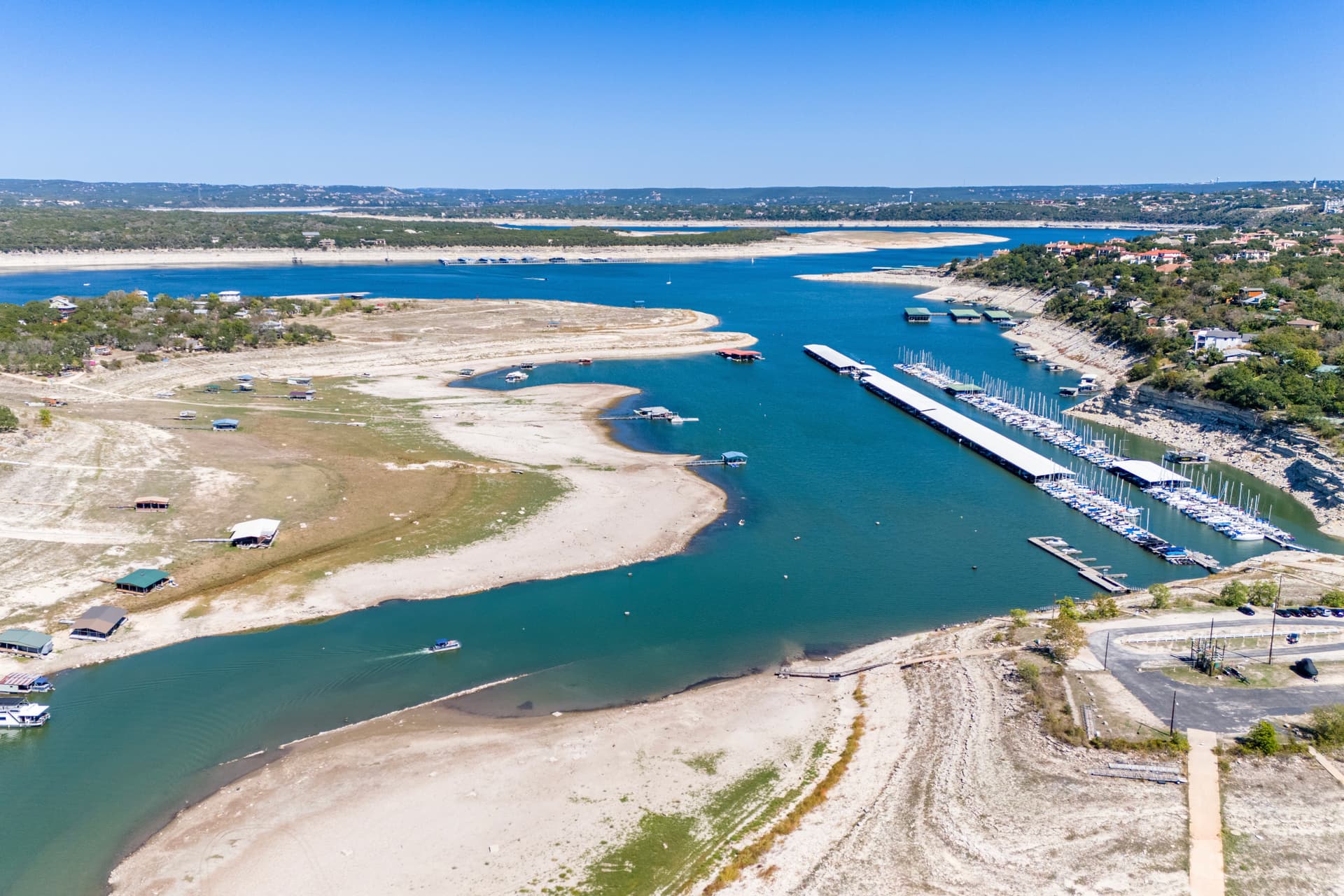
The Highland Lakes Watershed could supply up to 21% less water during a severe drought than the Lower Colorado River Authority currently estimates, according to a new study released by the Central Texas Water Coalition that found less rainfall is reaching Lakes Travis and Buchanan despite relatively steady precipitation.
The background
Nine of the 10 years with the lowest amounts of water flowing into the Highland Lakes have occurred since 2006, while only three of the watershed's lowest rainfall years have occurred in that same period, according to the study.
Although rainfall over the watershed has been steady for more than 100 years, the land is still sending less of each year's rain to Lake Buchanan and Lake Travis.
The study finds that if rainfall as low as the 1950s drought returned, the lakes could supply 9% to 21% less water than the LCRA estimates.