Celina City Council has changed the city’s design guidelines to eliminate turf in future medians.
The new standards are expected to reduce the amount of water needed to maintain medians by roughly 60%, according to a presentation by city staff.
Council unanimously approved the new guidelines at a June 9 meeting.
A closer look
In addition to eliminating grass, the guidelines also include an updated list of approved plants.
All plants used in future medians “must be drought-tolerant, water-smart, and capable of surviving after establishment with temporary irrigation only,” according to the new guidelines.
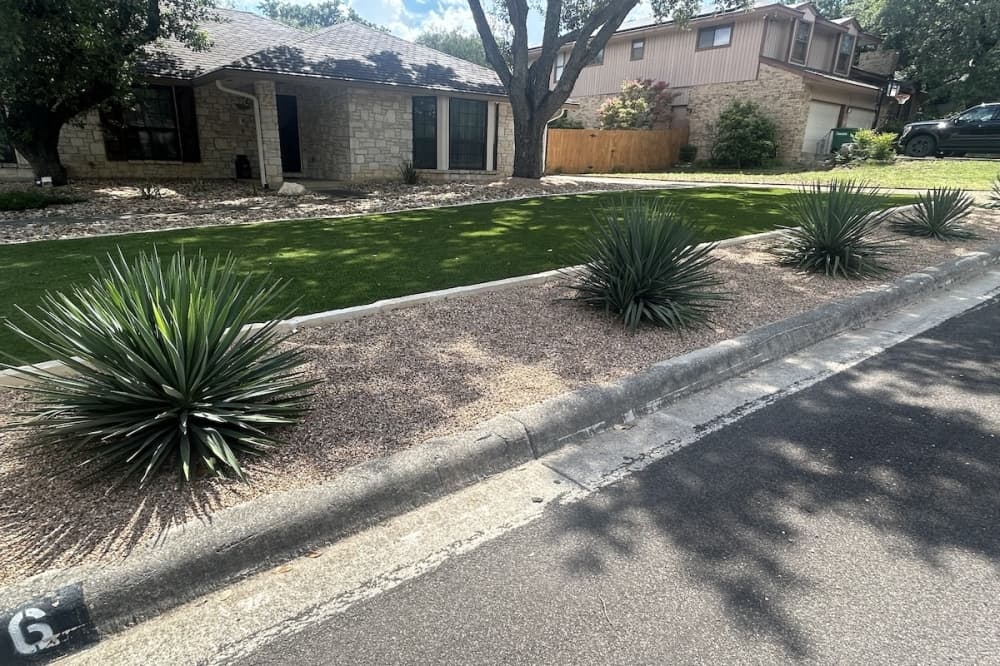
This style of landscaping, which limits mowed grass in favor of native and drought-tolerant plants, is known as xeriscaping.
The standards will apply to four- and six-lane roadways, which are the only roadways in Celina with divided medians, per the presentation.
Roadways that will eventually be widened to four or six lanes according to the Celina 2040 Comprehensive Plan include:
- Celina Parkway
- Legacy Drive
- Sunset Boulevard
- Punk Carter Parkway
- Ousley Boulevard
- G.A. Moore Parkway
The big picture
The new median design guidelines are part of a broader push to conserve water by updating city ordinances.
At a Jan. 13 meeting, council members discussed a number of possible changes that would make future developments more water-efficient.
Based on the council’s discussion in January, commercial developers could see the biggest shift in landscaping requirements.
Council member Philip Ferguson and Mayor Ryan Tubbs both expressed support for removing turf from commercial development standards altogether.
“When it comes to commercial projects, I’m more in line with 0% grass,” Tubbs said.
The council was less certain about limiting turf for single-family homes, noting that xeriscaping could adversely affect home values.
“It would be terribly hard to sell homes in this region without some front yard with grass,” council member Andy Hopkins said.
Looking ahead
At the January meeting, Director of Development Services Dusty McAfee said he doesn’t anticipate broad support for new water conservation regulations among the builder and developer community.
Xeriscape design can be costly, and new requirements could add to the overall price tag of new developments, he said.
To balance the need for water conservation with developers’ business interests, new development regulations may encourage water conservation through incentive programs instead of strict regulations, council members suggested.
Staff are currently working with a consultant to update the city’s regulations and expect to present options to council in July, according to the June 9 presentation.