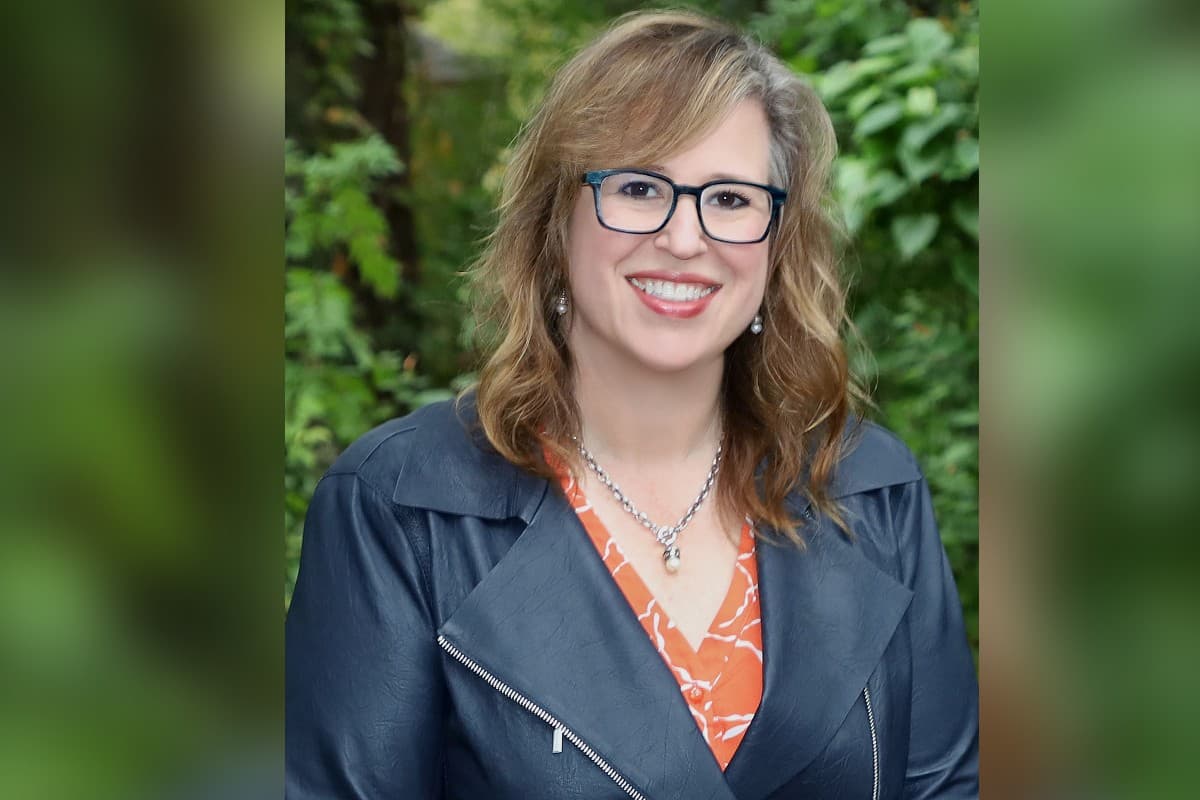
Brad Wood founded LIFE All-Stars to bring financial literacy education and long-term investment opportunities to economically disadvantaged children in Fort Bend County.
The nonprofit, which Wood said has grown from four students in 2024 to more than 25 active participants, has introduced hundreds of children to the basics of saving, budgeting and investing.
How we got here
Before retiring from Exxon, Wood frequently mentored coworkers on retirement planning, pensions and investing. Despite earning comfortable salaries, many told him they were living paycheck to paycheck or had little saved for retirement.
After researching financial behaviors, Wood found studies suggesting people’s attitudes toward money begin forming between the ages 5 and 11. That realization became the foundation for LIFE All-Stars.
“If you want to change behaviors, you have to start before those habits are already established,” he said.
How it works
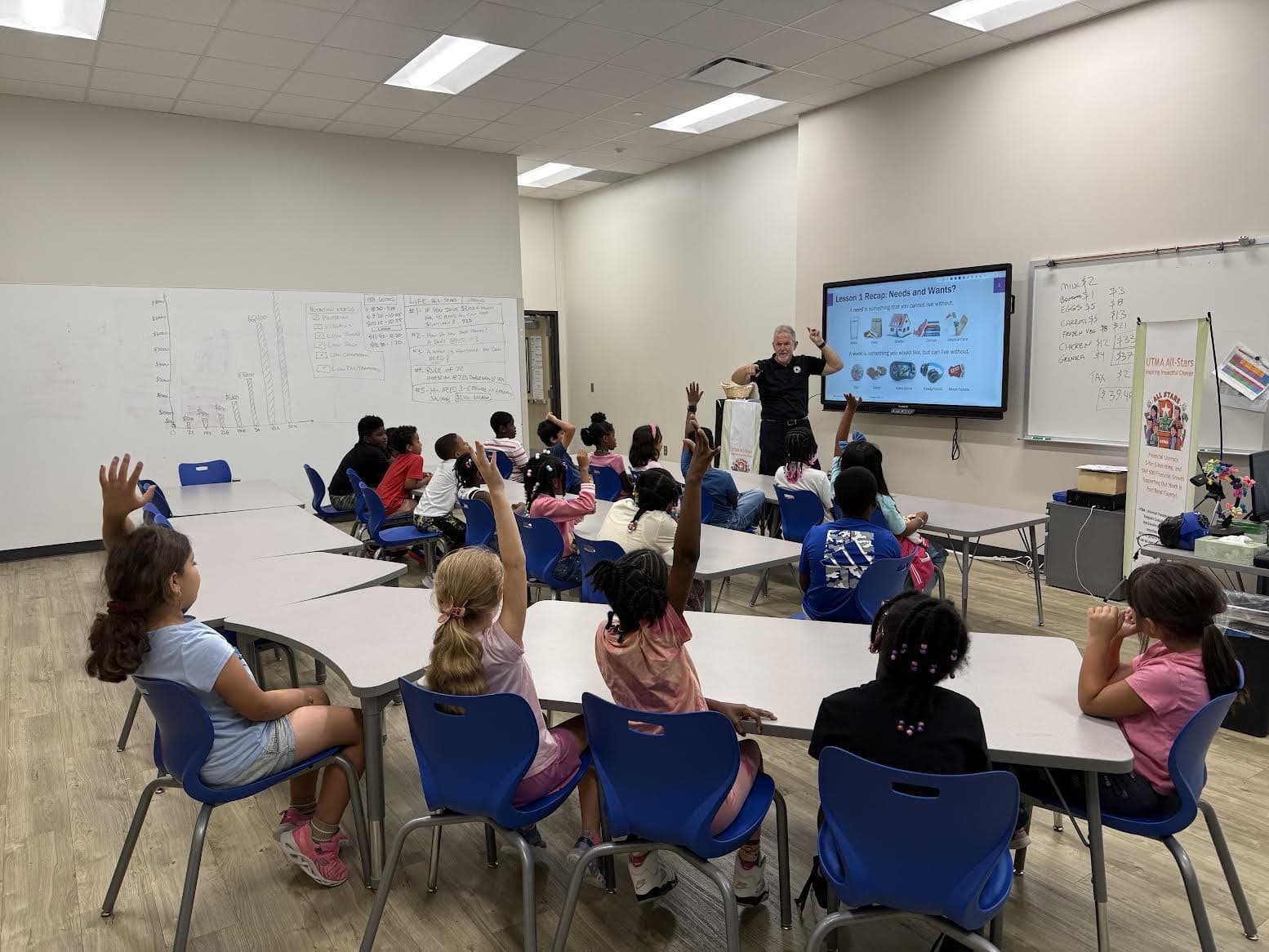
The program is geared towards Fort Bend County children in pre-K through fifth grade who qualify for the federal free or reduced-price lunch program.
Rather than overwhelming students with financial jargon, each lesson is structured around five core concepts:
- Save before you spend.
- Learn the difference between wants and needs.
- Build an emergency fund before investing.
- Understand how compound interest grows money over time.
- Follow a budget that supports long-term wealth.
As students regularly attend weekend classes and demonstrate responsible participation, the nonprofit contributes money on their behalf into investments tied to the S&P 500.
Wood estimates longtime participants could earn thousands of dollars by the time they reach adulthood if those investments continue to grow throughout the program. He said he hopes many participants will choose to keep the money invested even longer.
Looking ahead
Wood said the nonprofit’s long-term vision extends beyond weekend classes.
He is exploring opportunities to help schools incorporate the organization's financial literacy curriculum into the classroom by training educators to teach the lessons themselves.
His goal is to introduce financial concepts in elementary school before eventually expanding the curriculum into middle and high schools.