The McKinney Community Development Corp. is celebrating 30 years of investing into projects aimed at enhancing quality of life for residents across the city.
The big picture
MCDC was created in April 1996 after voters approved a half-cent sales tax to fund it. In 30 years since, the MCDC has invested more than $330 million into parks, recreation, affordable housing initiatives, community amenities and other developments.
“If you start down in the southwest corner of McKinney ... and you drive through all of the city up towards Erwin Park, there isn’t an area that hasn’t been touched by MCDC,” President Cindy Schneible said. “Either through parks or other projects.”
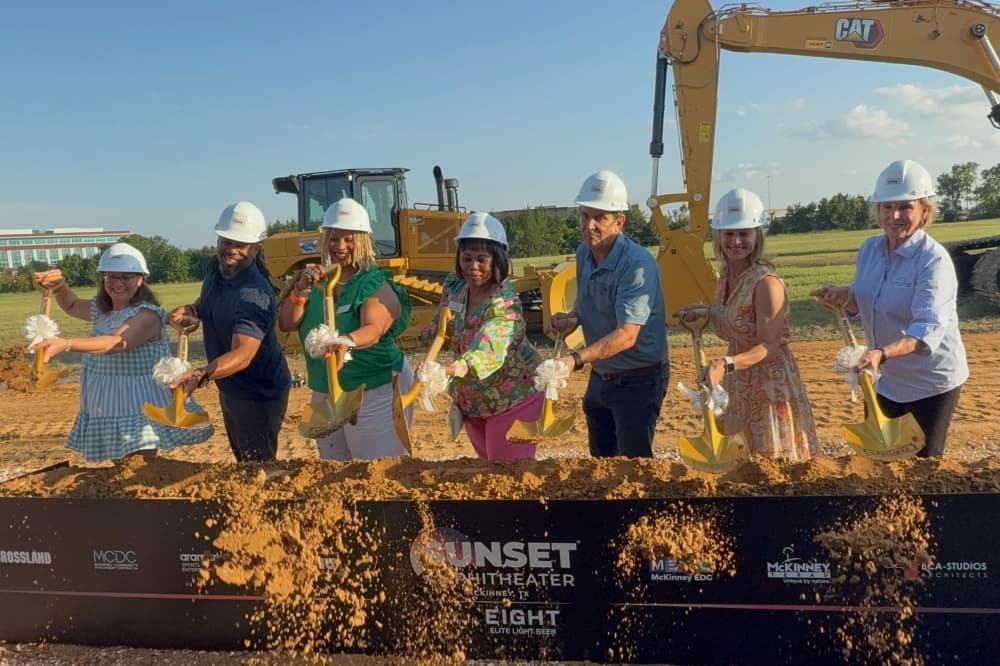
The organization has helped support a wide range of projects aimed at enhancing McKinney, according to an MCDC news release. Projects include the McKinney Apex Centre, Bonnie Wenk Park and the McKinney Performing Arts Center restoration in the early 2000s. MCDC has also supported annual events like Arts in Bloom and Oktoberfest.
How it works
The MCDC provides funding through three types of grants:
- Project grants
- Promotional/community event grants
- Retail development infrastructure grants
Each grant type has specific requirements that have to be met in order to be considered by MCDC’s board of directors. Grants are funded by sales tax dollars captured in McKinney, board member and Treasurer Chris Wilkes said.
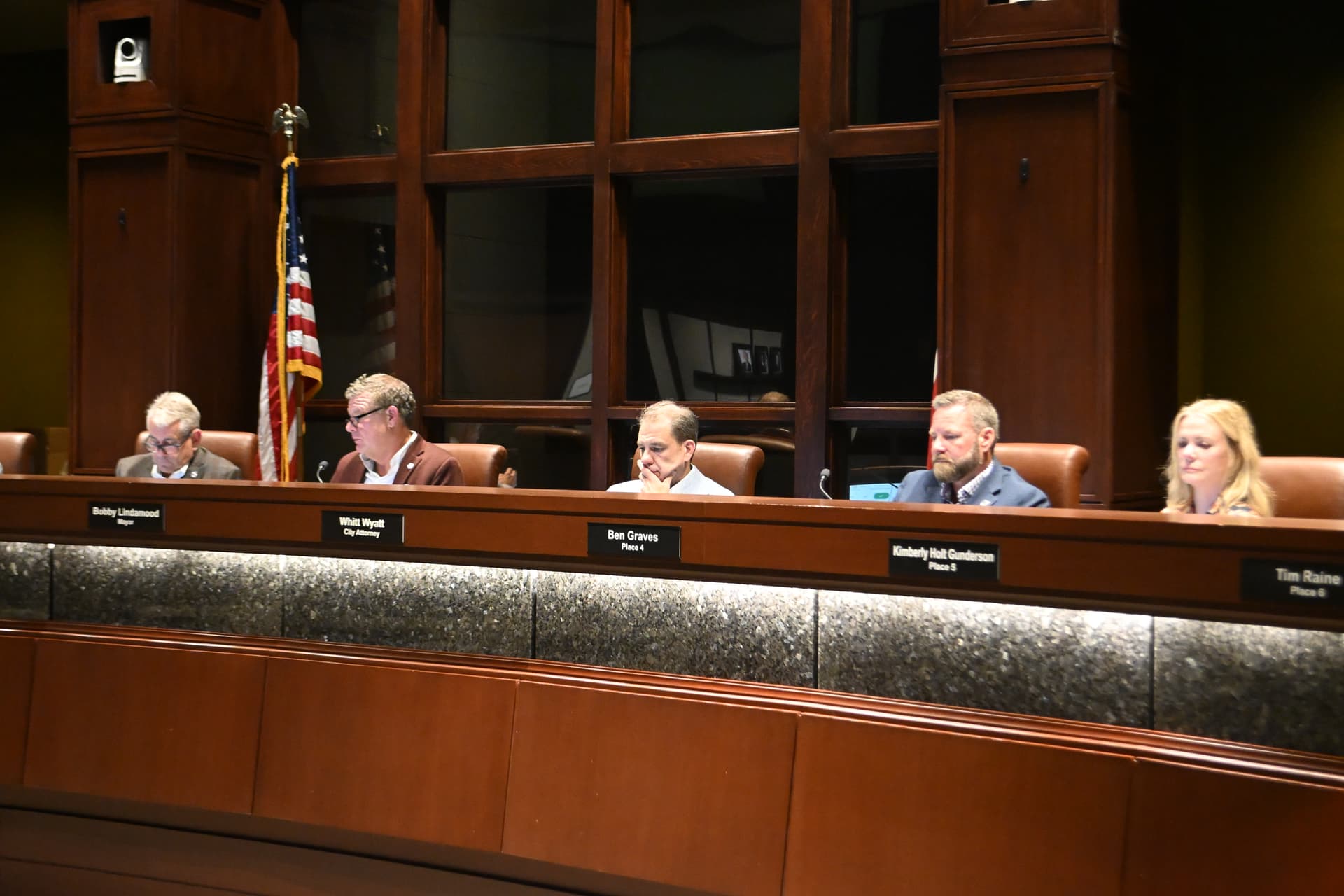
In April 1996, McKinney voters approved a half-cent of sales tax revenue to be dedicated to what is called a Type B economic development corporation, Wilkes said. Seven members are appointed to the board by McKinney City Council.
The board maintains an annual budget with strategic goals and priorities that are aligned with the council.
“Our strategic priorities are aligned with City Council goals,” Schneible said. “This allows us to work collaboratively with our partners on current and future projects, rather than operating in a silo, which would limit overall success.”
Board members meet monthly to consider applications and hold public hearings for any projects seeking grant funding, Wilkes said.
“We have to have a public hearing on the project grants that we do,” he said. “We also have hearings on some of the different retail infrastructure and promotional grants that we do.”
Any awarded funding is typically paid once a certificate of occupancy is issued by the city, Wilkes said. For grants related to retail infrastructure, it’s paid on a reimbursement basis, Schneible said.
Measuring the impact
For Wilkes, MCDC’s biggest impact has been its contribution to city parks. MCDC has awarded more than $148 million to McKinney Parks and Recreation, according to data from the organization. That investment can be seen in more than 30 parks across the city, Wilkes said.
He referenced the Dr. Glenn Mitchell Memorial Park as an example of the organization’s impact. MCDC acquired the land in 2000 and it was later developed into a park, Wilkes said. Since then, the park has hosted multiple festivals and community events.
“That’s a nice impact and that’s just one example of what has happened all over McKinney,” Wilkes said.
MCDC has played a role in catalyst projects east of SH 5 as well, Schneible said. The organization has supported projects like the Tupps Brewery relocation and the upcoming Hugs Cafe Inc. headquarters.
In most cases, projects are not completed only with money from the MCDC, but the organization can “make a difference” for projects that benefit McKinney residents, Wilkes said.
“On some projects, we’re the primary funder,” he said. “But more often, we step in with gap funding—just enough to help get a project across the finish line. In many cases, that support is what determines whether a project actually reaches our community.”
To learn more about MCDC, visit www.mckinneycdc.org.