Prosper ISD could be facing a $42.2 million shortfall heading into the 2026-27 school year.
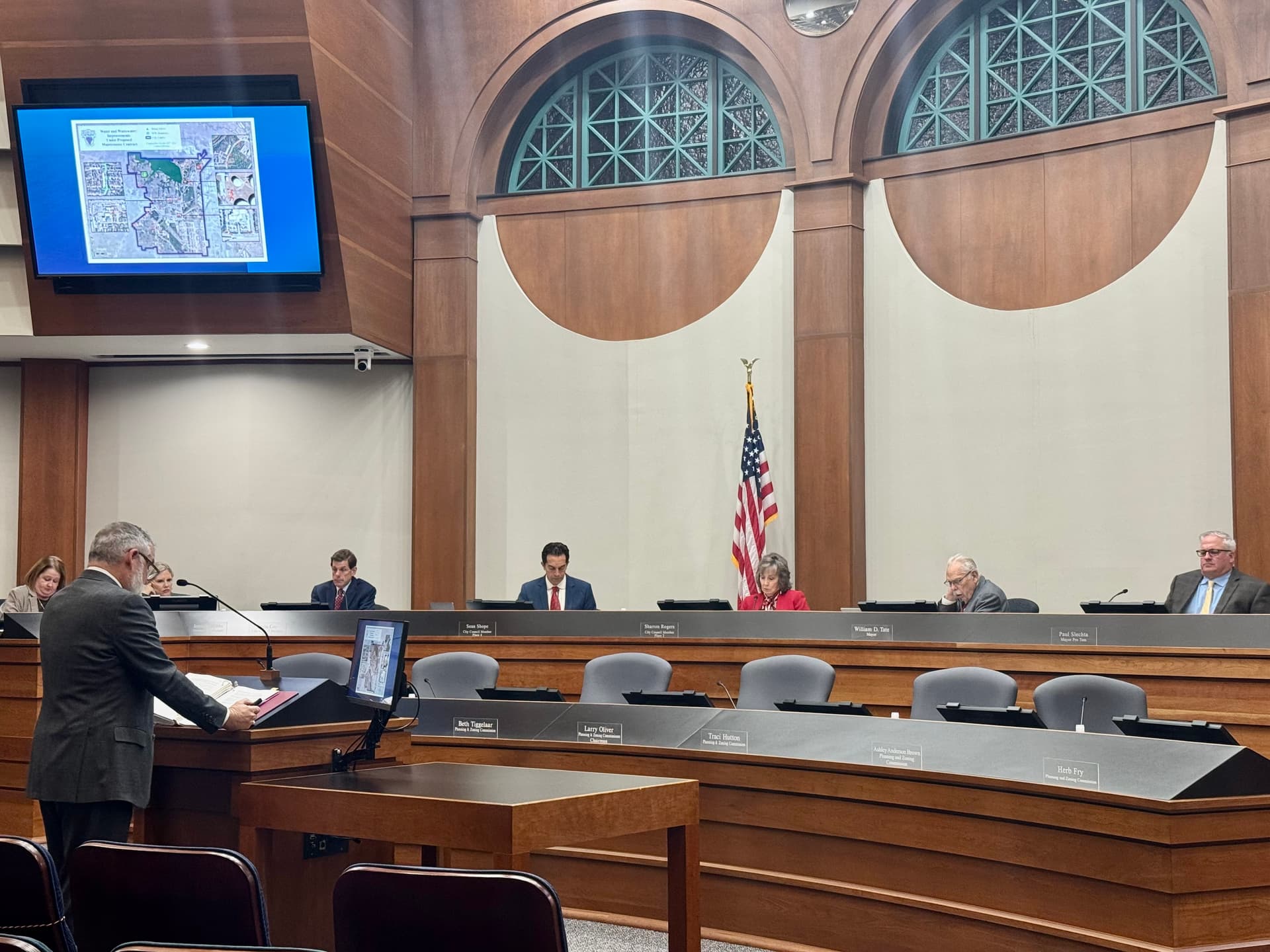
In a presentation to the PISD board of trustees, Chief Financial Officer Keri Croy called the adopted 2026-27 budget a “near-final budget” and said she was still working to reduce the projected shortfall.
The board voted unanimously to approve the budget at a June 16 meeting.
Breaking it down
PISD’s budget is made up of a general fund, a child nutrition fund and a debt service fund.
While the child nutrition fund is balanced, the adopted budget shows a $25.1 million shortfall in the general fund and a $17.1 million shortfall in the debt service fund for a combined projected shortfall of $42.2 million.
The district does not take on debt to cover shortfalls. Instead, it uses reserve money held in each fund to cover any expenditures that exceed revenue.
PISD will spend the most money on personnel expenditures, which make up over three-quarters of expenditures from the general fund, according to Croy’s presentation.
Personnel expenditures for the upcoming school year include a 3% raise for all current employees approved by the board at a March 9 meeting.
Growing challenges
Prosper ISD is still a growing district, but the rate of growth has started to slow, Croy said.
“We’re not growing at the rate we were,” she said, noting that the class of incoming kindergartners is smaller than the class of graduating seniors.
In the past, PISD has received additional funding from the state because of its growth.
Texas awards a fast growth allotment based on a district’s increase in students over the past six school years and a new instructional facility allotment based on attendance at new campuses.
On the other hand, PISD has a higher taxable property value per student than other districts, so it also pays money back to the state, known as recapture, to help fund less wealthy districts.
As enrollment slows, PISD officials expect to receive less money in allotments while paying more money for recapture, creating a potential budget squeeze.
“If our property tax gives us too much, state funds go down,” Croy said. “[It’s] almost to the point ... where all of our extra revenue goes back to Austin in recapture, even though we are in a deficit year.”
Stay tuned
Croy and her team are still working to identify possible savings, and the $25.1 million shortfall in the general fund is “the absolute worst-case scenario,” she said.
For the 2025-26 school year, the district’s adopted budget predicted a shortfall of $29.4 million, but Croy estimates the district will end the year with a $3.8 million surplus.
The anticipated surplus was possible due to a number of factors, according to Croy’s presentation:
- 10-month fiscal year as a result of a one-time switch to a July 1 start date
- New staffing models
- Delayed opening of Watkins Middle School
- Reduction in department and campus budgets
- Pause on capital improvements
While it is unlikely the district will be able to replicate last school year’s savings, Croy hopes to identify additional savings by August, when certified values for property within the district will be released and the district will hold a tax rate hearing to determine its official revenue for the year.