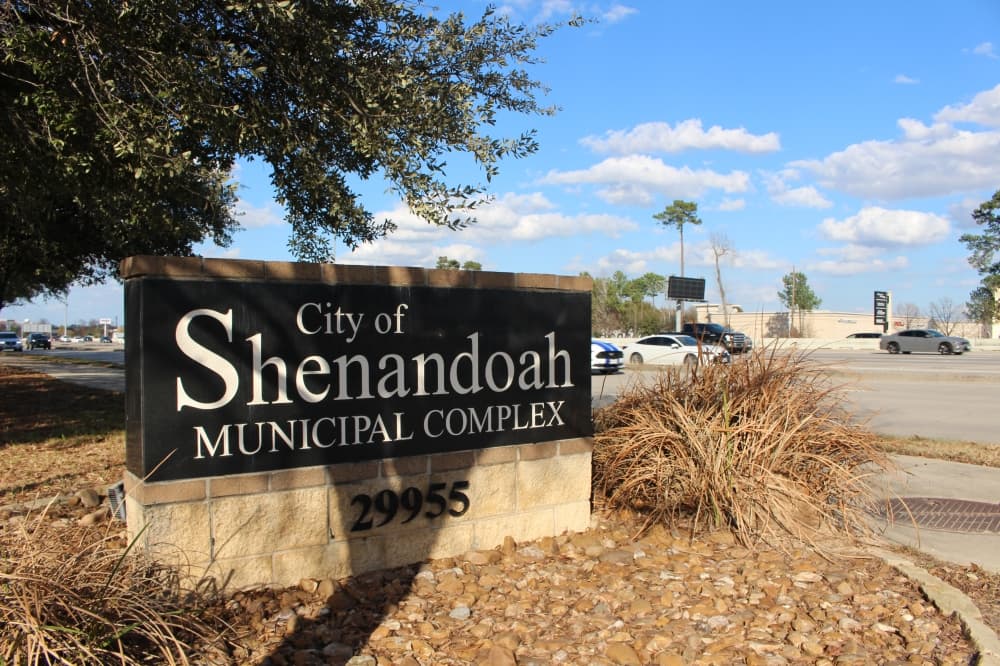
Despite adopting a total budget that is almost 10% smaller than last year, Shenandoah’s fiscal year 2026-27 budget will see expense increases in several areas.
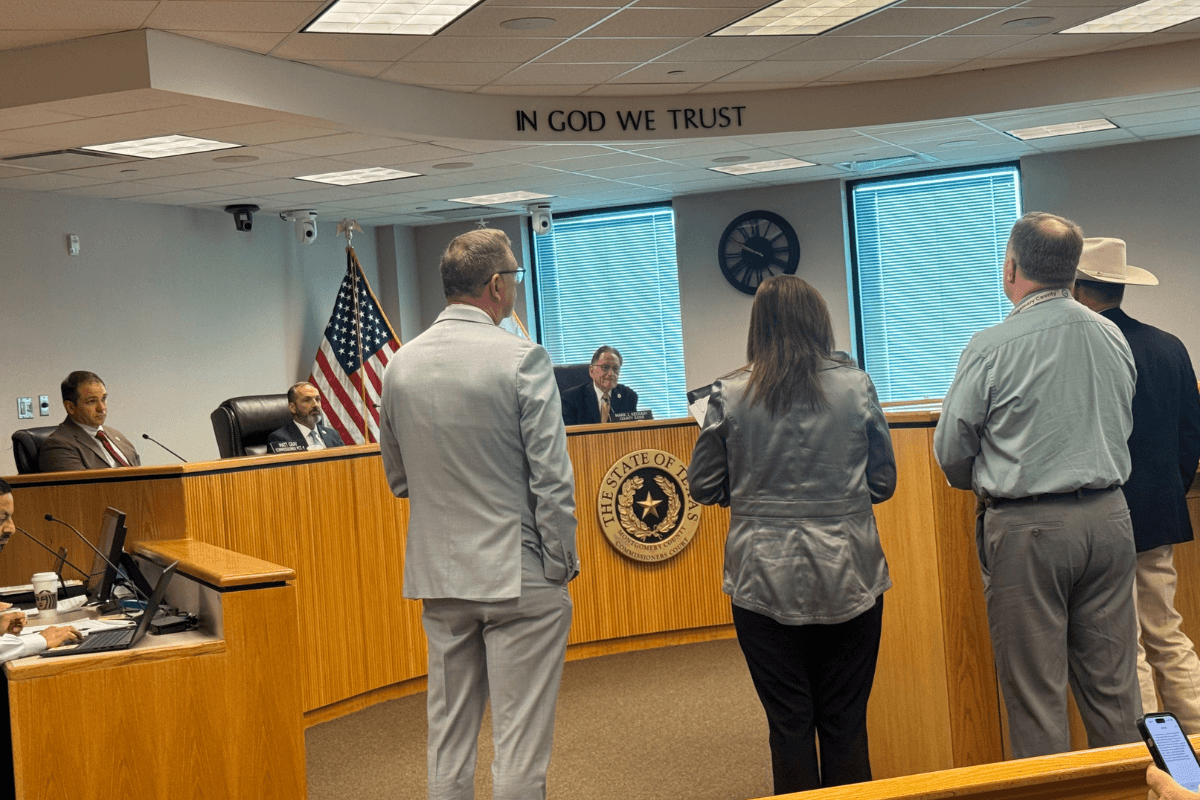
City Council adopted the new budget at its Aug. 26 meeting, along with its newest tax rate and a change to its general fund reserve policy.
What you need to know
Shenandoah’s general fund, which makes up more than half of the city’s total expenses, is estimated to total around $13.1 million, documents show. This is an increase of more than 3% from last year.
On the revenue side, officials expect a small general fund surplus of about $74,000, with revenue slated to reach around $13.2 million, documents show. The vast majority of the revenue—around 71%—will come from sales tax.
The following are the departments that make up the largest portion of the city’s general fund:
- Police, which make up 41% of the fund
- Fire services, which make up 18% of the fund
- Administration and technology, which combined make up 13% of the fund
- Public works, which make up 11% of the fund
The total expenses budgeted, which include various funds and capital projects, are anticipated to reach around $23.5 million, city documents show.
This is projected to be 9.9% smaller than last year’s budget due to the decrease in the capital projects fund, which saw almost a 70% cut in anticipated expenses as compared to last year, according to city documents.
Diving in deeper
Despite adopting the no-new-revenue rate of $0.1849 per $100 valuation of a home, the city’s tax rate is set to increase from last year, documents show.
Typically, when entities adopt a no-new-revenue rate, it results in the tax rate going down due to appraisal of property values going up.
Shenandoah officials said a new state law, House Bill 9, increased tax exemptions for businesses, which will allow businesses to claim higher deductions on their tax bills. As a result, while the city is taking in the same revenue as last year, it means an increase in the tax rate is needed to make up for that decrease in taxable value, Finance Director Lisa Wasner said.
Documents show the median homestead taxable value is set at $437,666. At the no-new-revenue rate, the annual tax bill is estimated to come in at around $809—up from last year’s bill of around $773 on a median taxable value of $424,739.
While the median homestead’s value went up, the city sees most of its revenue through sales tax, and more than 70% of the city’s property tax revenue comes from the commercial sector.
What else?
The council also approved a change to the city’s fund balance requirements, lowering it from 180 days in reserves to 120 days. The city would need about $4.5 million in the fund to cover 120 days, documents show.
Wasner said it’s typical to use excess funds such as this for one-time expenses, such as capital projects, as opposed to ongoing expenses.
“We tend to use available cash, in my opinion, a little too freely around here to approve the budget sometimes,” council member Charlie Bradt said.