The Texas Education Agency is asking state lawmakers to spend $97.3 billion on K-12 education initiatives and staffing in the next two years, up from about $91 billion in the current state budget.
What you need to know
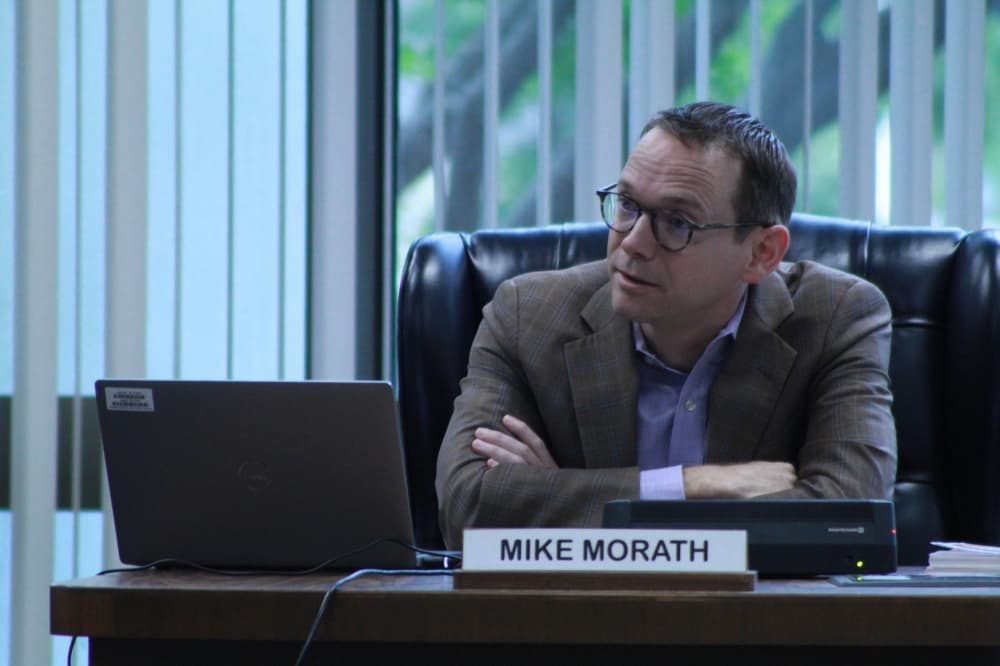
During a Sept. 29 hearing on the agency's legislative appropriations request, Texas Education Commissioner Mike Morath noted that the TEA is "largely a pass-through vehicle to fund schools around the state of Texas." This means that while funding would be allocated to the agency under Article III of the state budget, the majority of that money would be sent to school districts, outside of funds used to pay TEA staff and cover operations for associated entities, such as the State Board of Education.
The TEA is asking for about $49.6 billion for fiscal year 2027-28 and $47.7 billion for fiscal year 2028-29, totaling $97.3 billion for the 2028-29 biennium. Morath said those amounts would "preserve 100% of all funding for public schools" through the Foundation School Program, which is the state's main funding source for K-12 schools, and other initiatives.
"TEA is working diligently to support public education in the state by executing the legislature’s policy framework," Morath wrote in the agency's budget request. "Hundreds of thousands of teachers and principals across Texas are working tenaciously to provide students with the best education possible. Together, we can forge a path toward a more resilient and successful education system that serves the needs of all Texans."
Staff from the governor's offices, legislative leaders' offices, the Legislative Budget Board and budget-writing committees sat at the dais during the hearing and asked questions of Morath. No elected lawmakers were present at the hearing; however, they will hear from Morath and other state agency officials while drafting legislation during the 2027 legislative session, which begins in mid-January.
Passing a balanced two-year budget—which includes state and federal funds—is the only thing Texas lawmakers are constitutionally required to do during the 140-day regular legislative session, according to the House Research Organization.
Some context
In July, Gov. Greg Abbott and legislative leaders directed nearly all state agencies to reduce their base budget requests for the 2028-29 biennium by 3%, which they said was necessary to "maintain Texas’ strong fiscal position." Funding requests for public education, the state's education savings accounts program, Medicaid and a few other state programs were exempt from the reduction.
What they're saying
During public testimony on the TEA's budget request, some Texans asked the legislature to increase funding for the basic allotment, which is the base amount of per-student funding that schools receive from the state. Districts can use these funds for a variety of needs, including purchasing classroom materials, renovating facilities and paying teachers or staff.
Last year, lawmakers approved a $55 increase to the basic allotment, bringing that funding from $6,160 to $6,215 per student.
The $55 basic allotment increase falls short of a roughly $1,300 increase requested by some school leaders, who said it was needed to keep up with inflationary costs. Lawmakers previously said spreading funding across multiple allotments, instead of prioritizing a larger boost to the basic allotment, would ensure the money goes to the classroom, Community Impact reported.
"A $55 increase for each student divided over the course of a school year is not tangible," said Yulissa Chávez, policy fellow with the Coalition of Texans with Disabilities. "It's not helpful. We need to make suitable provisions, just like our constitution says, to better [our] public, free schools."
Also of note
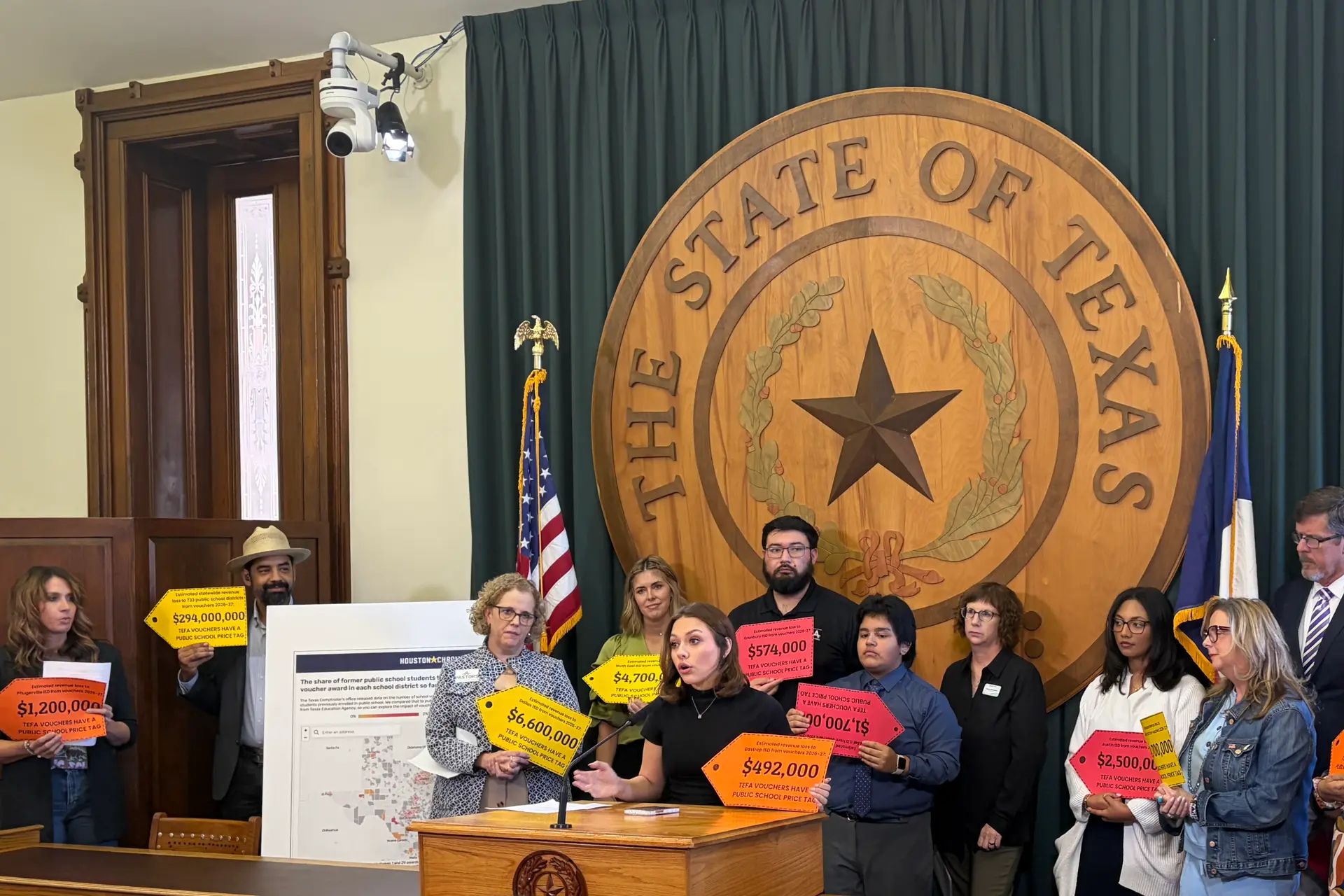
The state comptroller's office has asked lawmakers to double funding for Texas' education savings account program in the next budget cycle, Community Impact reported.
The $1 billion Texas Education Freedom Accounts program gives participating families taxpayer dollars for private education and homeschooling during the 2026-27 school year, and program officials requested $2 billion to ensure the state can "maintain our current participation" in the next two years.
It could cost over $4 billion to accept students who are on the program's waitlist or have otherwise expressed interest in the program, the comptroller's office said. Last year, the LBB projected that due to demand, lawmakers would expand program funding to $3.3 billion by 2028 and $4.8 billion by 2030.