Editor's note: The photo for this story has been updated.
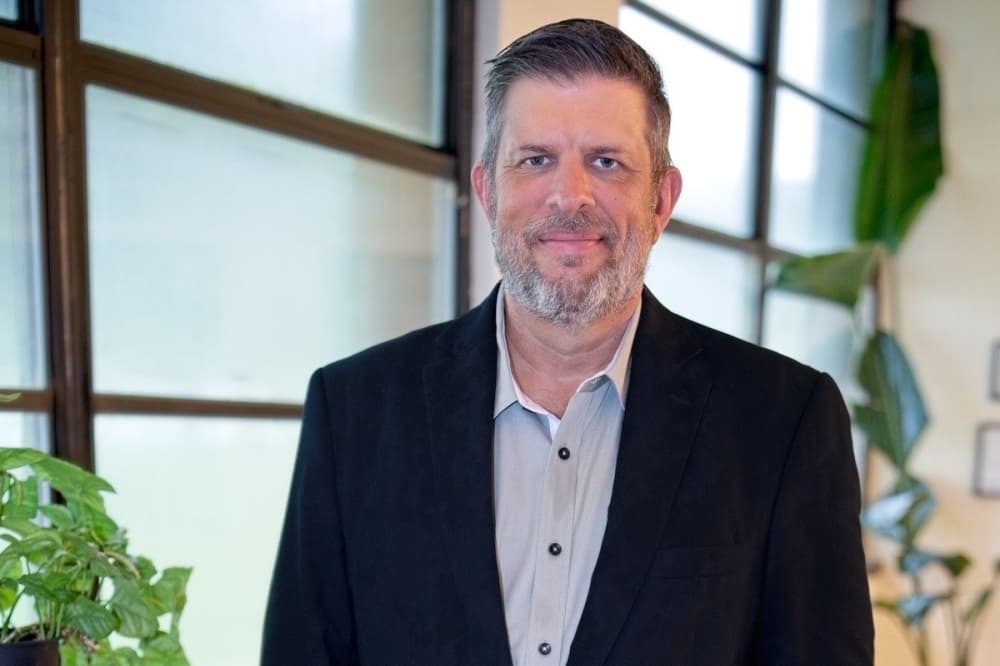
Chris Whittaker, Magnolia’s new city administrator, was appointed May 13 and brings more than a decade of city management experience from Rockdale and Angleton. Having led communities ranging from 5,000 to 20,000 residents, he said he sees Magnolia as being at a crossroads between small-town charm and rapid growth. In an interview with Community Impact, Whittaker shared his top priorities and vision for balancing modernization, infrastructure and community needs.
What are your top priorities as city administrator?
I think the top priorities are really modernization, dealing with growth and preserving what we have as far as our identity.
What made you decide to come to Magnolia?
My story actually goes back about six years. I was at Rockdale for five years doing the city management thing and decided it was time to move on because I wanted to be part of growth, be part of change. I actually interviewed in 2019 to be the city manager [of Magnolia], and I got accepted for the job, but decided it wasn’t for me and moved to Angleton. That was a blessing because Rockdale was my first city management job, and I didn’t have a lot of growth or development experience.
So I went and got that in Angleton and brought it back to Magnolia. In the past five or six years, this is Chris 2.0. I’m getting a better sense of what I need to do, having worked in a small town of 5,000 to Angleton, which is about 20,000. Now here I am in Magnolia, 5,000 going to be something like that, right? So how do I provide that leadership to take us from 5,000 to whatever that final number is?
How do you plan to balance Magnolia’s rapid residential and commercial growth with maintaining infrastructure capacity?
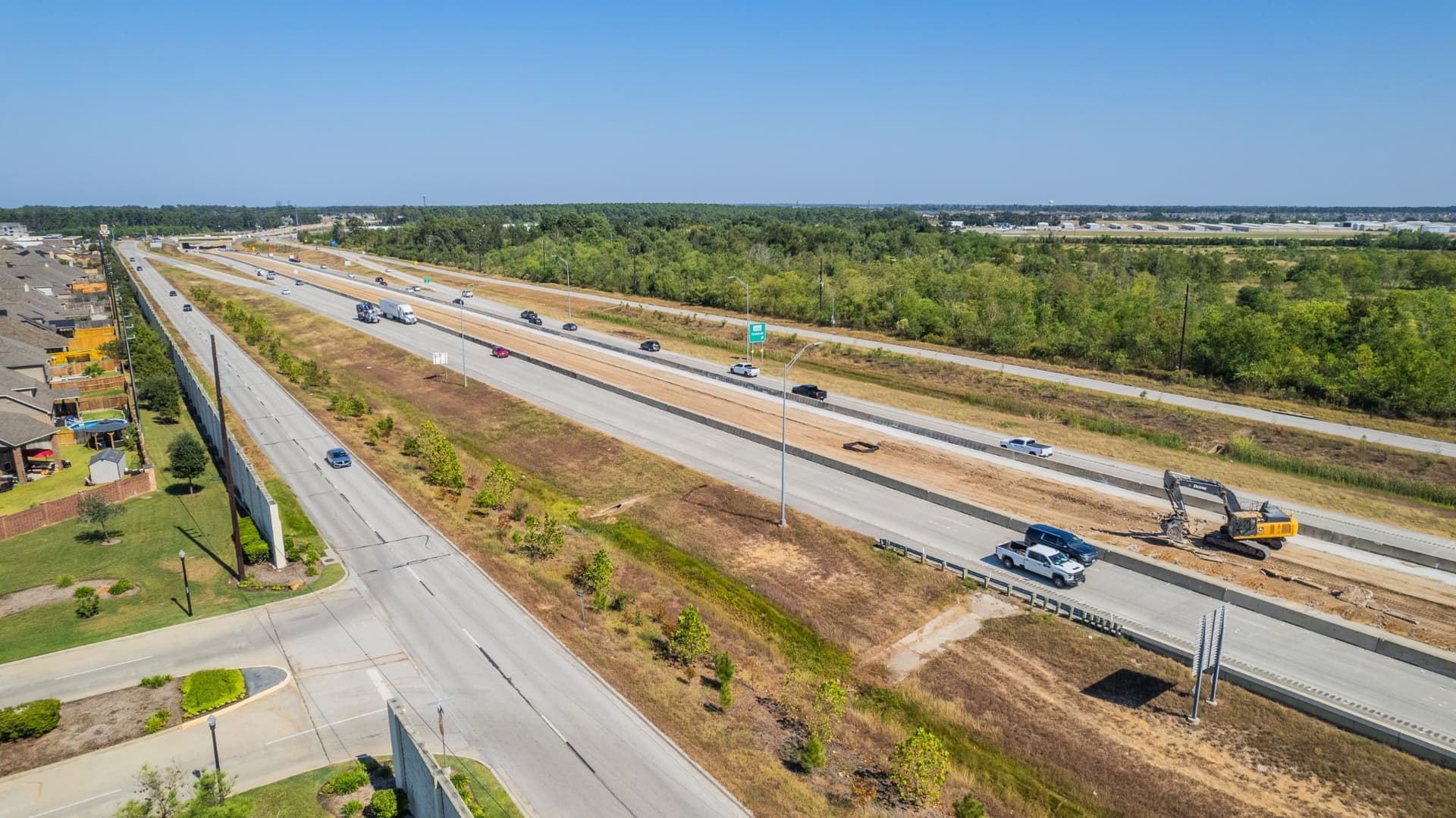
That’s a very difficult challenge right now. We’re under a development moratorium as our final infrastructure comes online to have that capacity to open the gates again. Folks have to realize we only control development inside the city. What happens outside the city limits—the state has made it very clear we don’t have a lot of say as a city.
We have to look at what the development is. Is it residential? Is it commercial? Is it industrial? What benefits do they bring to the city? Then how do we work that out? That’s what [public improvement districts] and [tax increment reinvestment zones] are for. We also have to think five to 10 years out: as developments come online, how do we maintain that infrastructure? Where do we put new buildings to support it? Those are the kinds of decisions we’re making.
What steps is the city taking to ensure long-term water and sewer reliability?
We’re creating a five-year and 10-year capital improvement program. Right now, we have our fiscal year 2025-26 budget, but that only covers through next October. What about year two, year three, year four? Do we need another water tower? Another water plant? Do we need to enlarge the sewer?