Fort Bend ISD officials shared the results of the district's community survey ahead of the board of trustees' Oct. 5 vote on how to address secondary boundary changes to relieve overutilization at Austin, Elkins and Travis high schools.
In a nutshell
The draft plans—which were presented in August—include one scenario for middle school adjustments and two scenarios for high school adjustments.
The middle school scenario affects 10 campuses and focuses on fixing feeder patterns and keeping as many groups of students together as possible, per the FBISD website.
Currently, 14 elementary schools split to more than one middle school and 11 middle schools split to more than one high school. In the proposal, only eight elementary schools and seven middle schools split.
Meanwhile, both high school scenarios affect seven campuses and focus on addressing overutilization in Travis, Elkins and Austin high schools, as well as aligning feeder patterns, per the FBISD website.
High school option one affects 1,050 students, while option two affects 1,561, according to the FBISD website.
The first option sends kids from Elkins only to Clements, but the second option sends them to both Dulles and Clements by rezoning Quail Valley Middle School’s boundary to Dulles. The second option provides more relief to Elkins, per the website.
By the numbers
Staff distributed 63,855 surveys and received 2,685 responses, mostly from parents, Chief of Organizational Development Stephanie Williams said. Most responses came from Elkins High School with over 700 responses.
Overall, 77% of respondents said they could support at least one of the high school scenarios and 22% oppose both, Williams said. Data shows that stakeholders supported draft scenario two over scenario one.
Of respondents who are in affected feeder areas, more people also supported high school scenario two over scenario one, but only by a difference of five percentage points at the most, according to survey results.
Meanwhile, Travis High School had the strongest opposition, with about half of respondents opposing both scenarios.
In the open response section, most parents were concerned about disruption of the student cohort and not going to the same school as their neighbors, followed by unbalanced utilization in proposed scenarios, Williams said.
What else?
The School Boundary Advisory Committee, which is a group of community members who work with the district in reviewing boundary changes, also voted after reviewing community feedback with 89% of the respondents on the committee saying they would be comfortable with any high school scenario passed. However, many did choose one over the other when asked.
What they’re saying
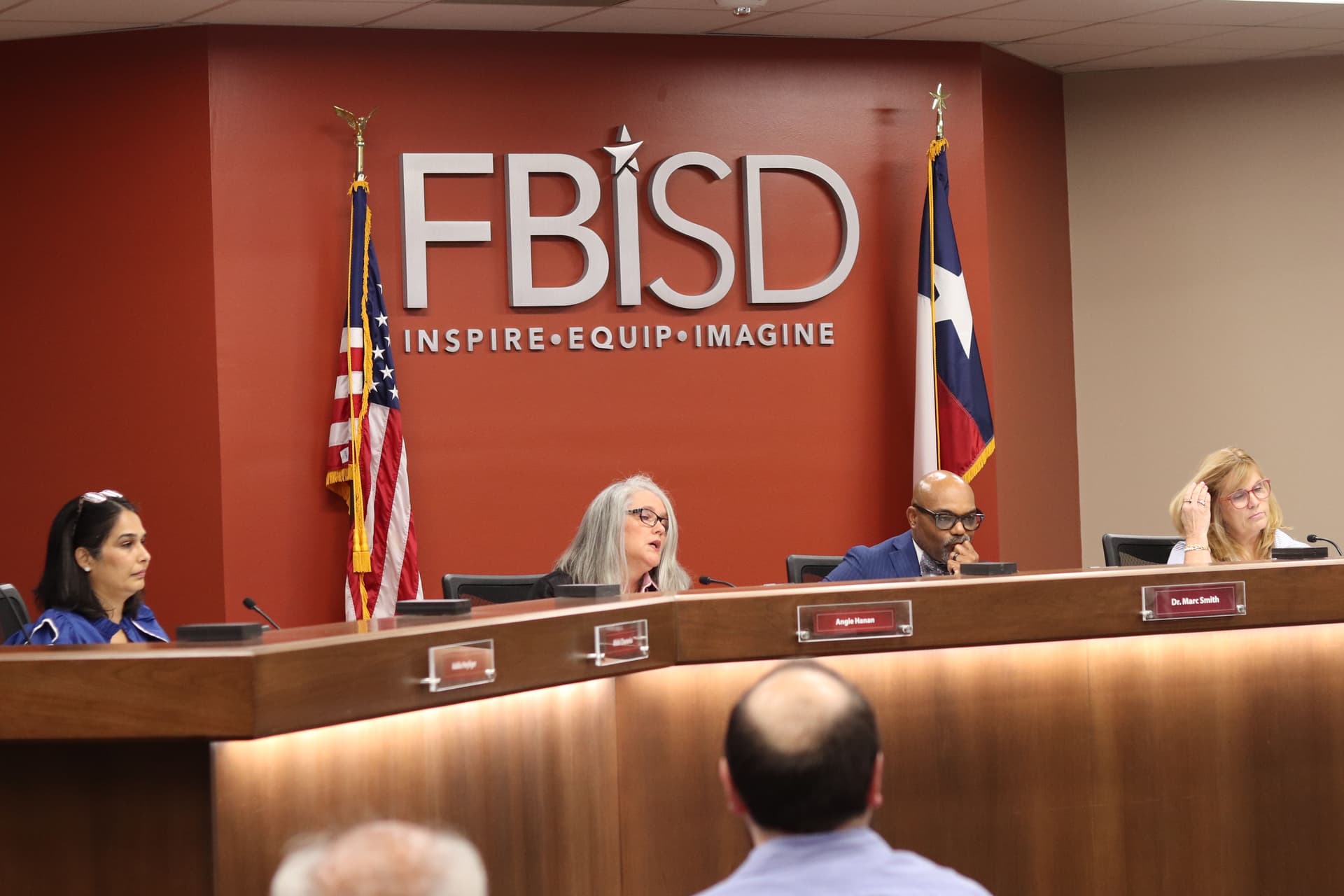
Board president Kristin Tassin said she supports keeping as many students together as possible as well as providing relief to campuses.
“While, yes, a stated goal is to impact the fewest students we can possibly impact, another stated goal is to provide relief to the campuses that need relief,” Tassin said. “We can't look at one or the other; we have to look at them collectively.”
Looking ahead
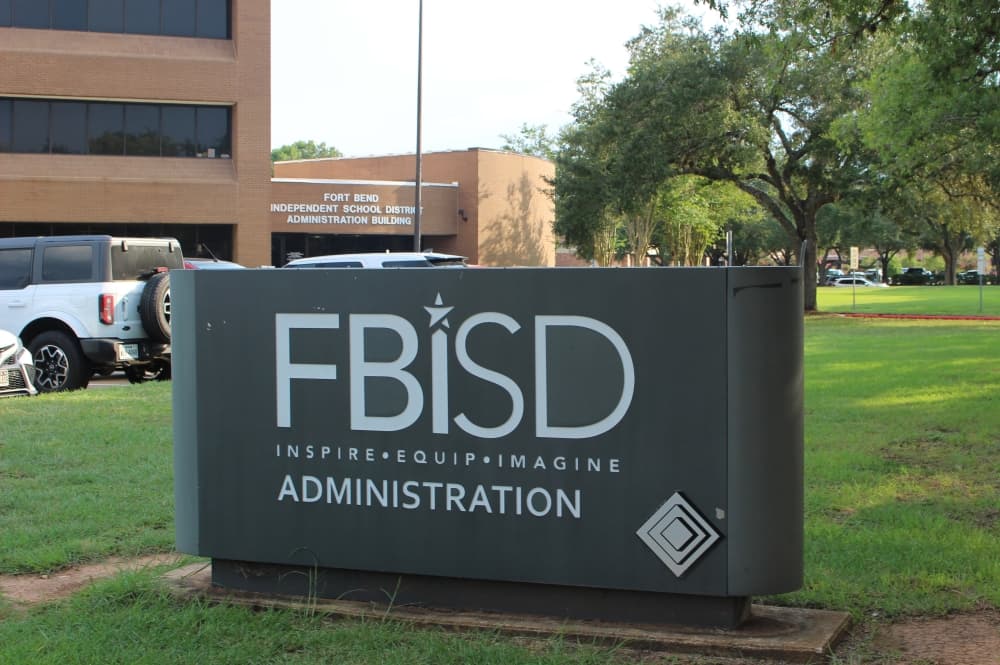
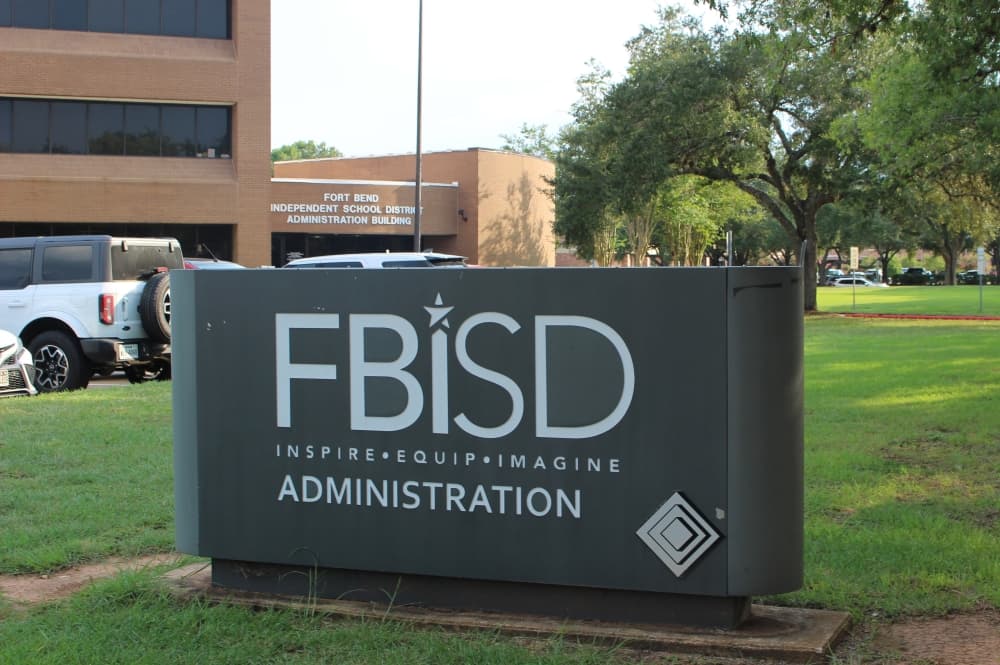
The board is set to vote on the secondary boundary changes at its Oct. 5 meeting scheduled for 6 p.m. at the Fort Bend ISD Administration Building, located at 16431 Lexington Blvd., Sugar Land.