Editor's note: This story was updated to correct the city's projected median home value and taxpayer impact.
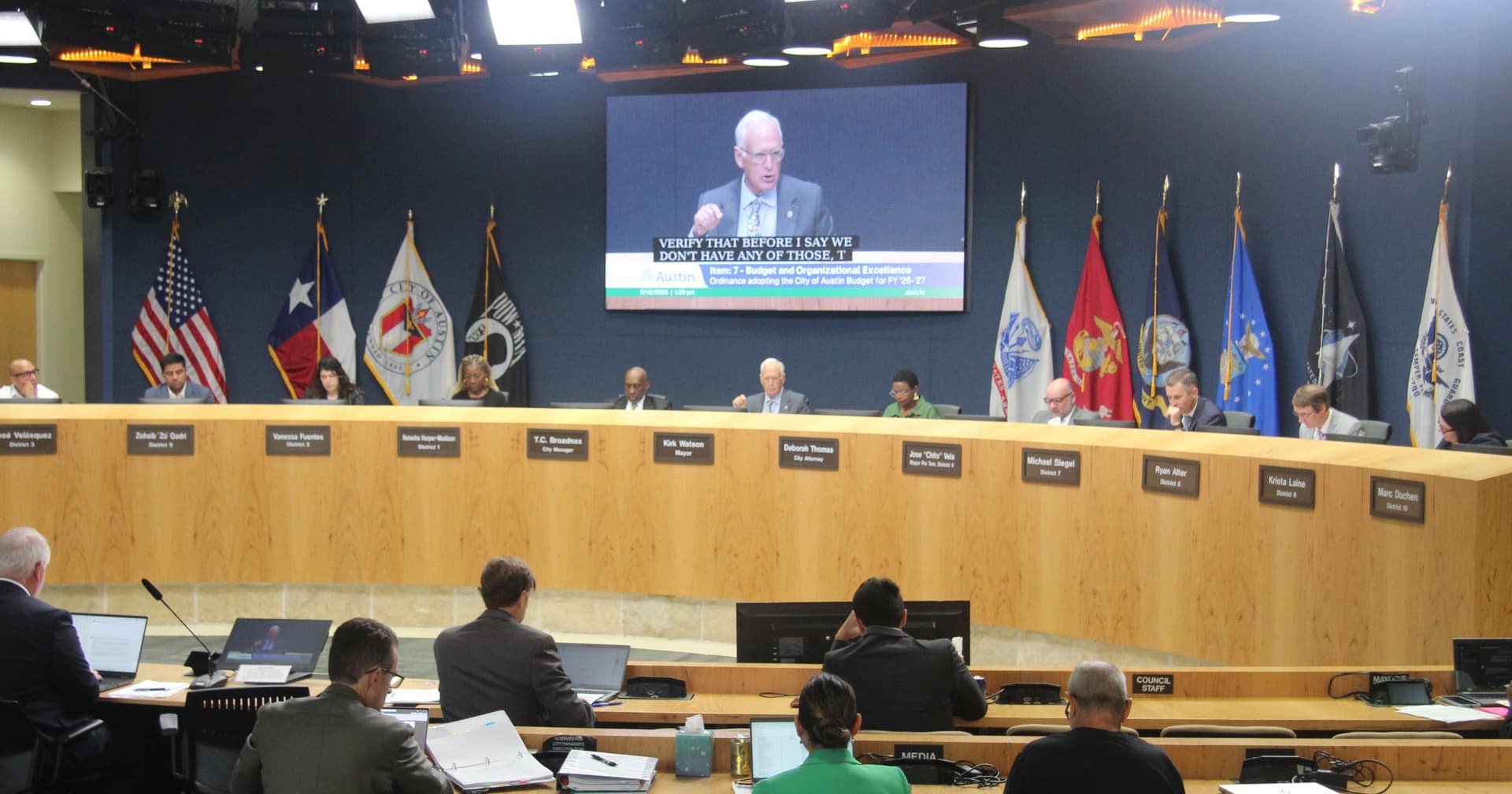
Austin leaders approved a record $6.63 billion budget for the upcoming fiscal year 2026-27 Aug. 12, along with a higher tax rate that would increase the typical homeowner's property tax bill more than 8%. In a divided vote, officials also funded the start-up of a new joint emergency communications office.
"This budget takes us forward as a city in a thoughtful and strategic way, focusing on what is important to Austinites, what they value and prioritize," City Manager T.C. Broadnax said in a statement.
The big picture
City Council's adoption of the budget came about a month after Broadnax released his draft of the FY 2026-27 spending plan. Council members since heard from scores of residents, largely on issues like social service funding and public safety, and considered how to fund other public services.
The new budget will be nearly 5% larger than the current $6.3 billion plan for FY 2025-26. Departments responsible for parks and libraries, public safety and health programs, and housing and homelessness services are included within the $1.54 billion general fund, which is growing about 3.6%.
Outside the general fund, enterprise departments supported by their own revenues will see their budgets grow by tens of millions of dollars. Those include the Austin Energy and Austin Water utilities, Austin Resource Recovery, Austin Transportation and Public Works, and departments overseeing the airport, convention center, development services and watershed protection.
The budget passed with most elected leaders generally in support, while council member Marc Duchen and Mayor Kirk Watson both stated frustration with the approach and voted against. Duchen said officials didn't do enough to scrutinize city spending and potential savings, and Watson said he was troubled about cost burdens imposed on Austinites.
“I really do feel like we’re at a point in time where we could’ve done more to meet the needs of people that are struggling in our community," he said.
The cost
Austin's FY 2026-27 tax rate was set at $0.579948 per $100 in property value, the maximum allowed under state law without seeking voter approval. After last year's failed tax rate election measure, Proposition Q, a council-approved policy keeps city officials from seeking another larger hike until at least 2029.
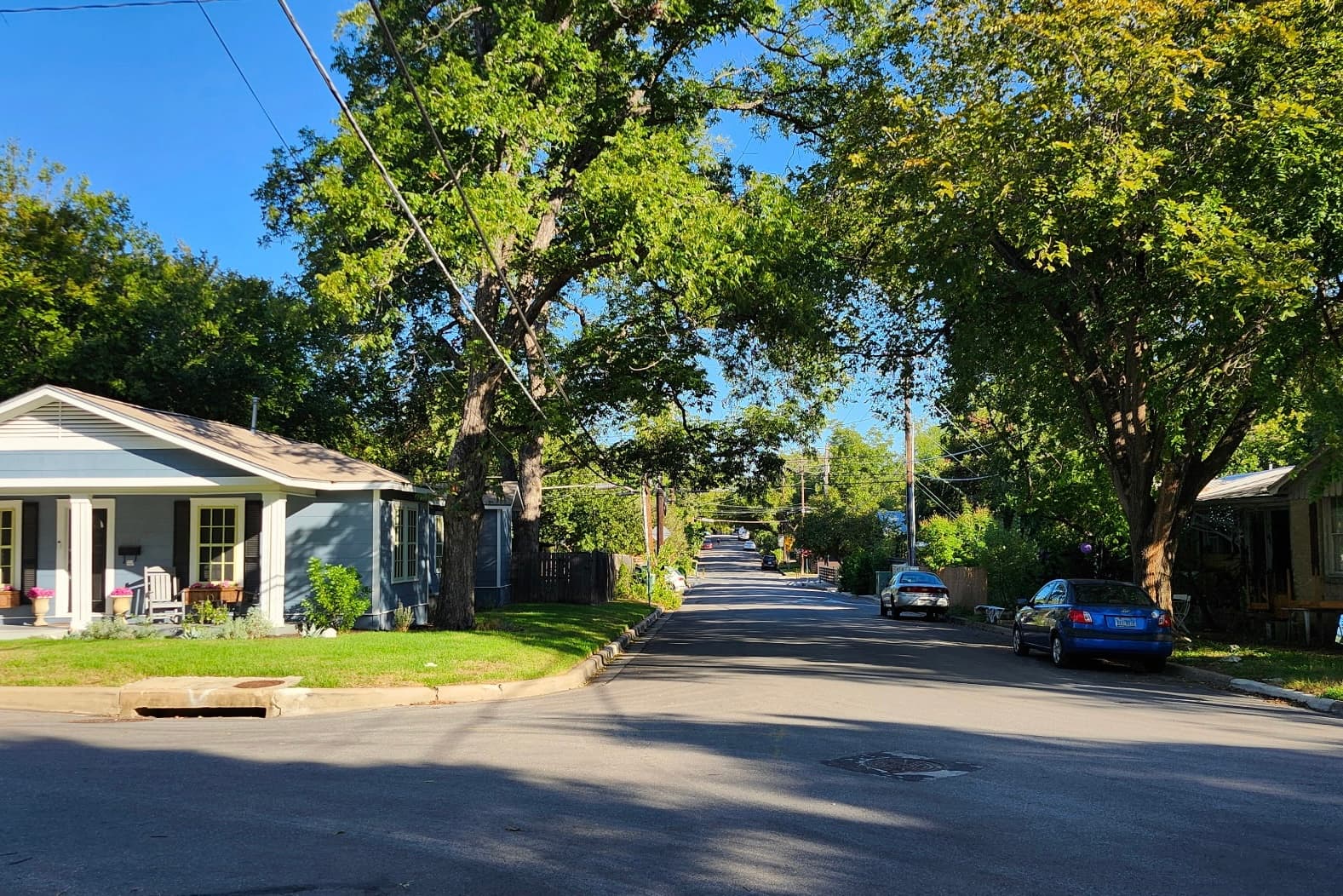
The new rate will increase the typical annual property tax bill more than $100 from $2,074 to about $2,190. That's based on the city's projected median valued home of $471,603, after Austin's 20% general homestead exemption for primary residences. Seniors and disabled residents are eligible for a further exemption.
Other costs like utility bills and service charges will rise more than $170 combined next year, bringing the estimated impact of all city rates and fees to more than $5,950.
After arriving at a balanced budget under the maximum tax rate, officials declined to take up suggestions from Duchen designed to cut more from the spending plan to reach a lower tax rate and reduce the typical resident's expenses by about $50.
Zooming in
Cuts to dozens of social service contracts were anticipated throughout the budget process due to financial constraints, which were largely put on hold after city finance staff reported improved tax revenue projections. Nearly $5 million was also budgeted for housing assistance, and council members spent hours deliberating over how to fund several of their own prioritized adjustments.
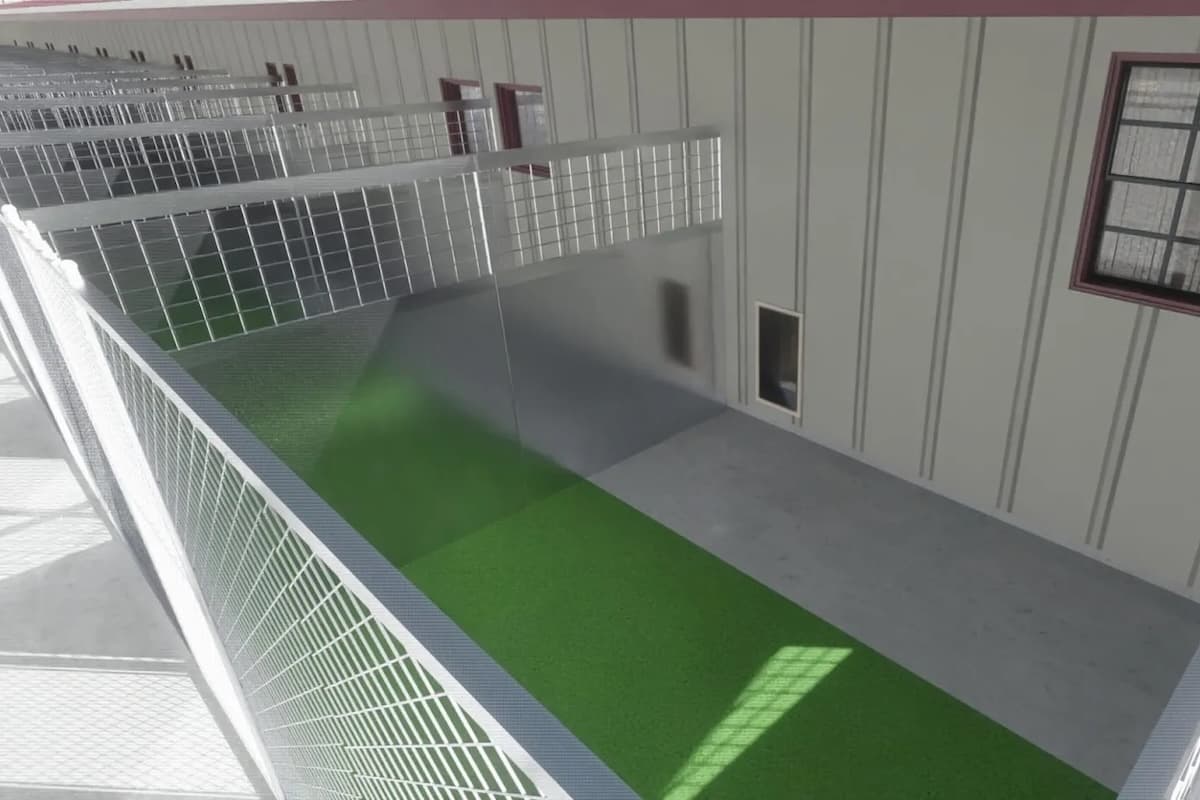
Larger items included requests from Mayor Pro Tem Chito Vela and council member Ryan Alter to issue $35 million in non voter-approved debt. That funding will add to ongoing taxes and pay for new active mobility and traffic calming projects, as well as improvements to city animal shelter facilities.
Other council members brought budget amendments like hundreds of thousands of dollars for Austin Homeless Strategies and Operations staffing and shelter management, parks maintenance equipment and a downtown drink spiking safety program.
The budget framework also accounted for annual cost drivers like employee health insurance and rising wages, various support services and management of city-owned facilities.
Stay tuned
A major topic of debate leading up to the budget's approval was a proposal led by council members Krista Laine and Mike Siegel to establish a new Office of Joint Emergency Communications. Aiming to improve Austin's 911 response, they have said transitioning away from Austin Police-led services to a standalone office under civilian oversight is long overdue.
“A shift to stand-alone 911 is necessary to ensure that we are truly reimagining public safety, as our City has declared its goal to be, and that we are rigorously living up to our goals to divert mental health calls and other non-violent calls towards emergency responders who are best equipped to respond effectively,” Siegel said in a statement.
The item proved controversial this summer, with Laine and Siegel both stating they believed city staff and management gave them conflicting information about the plan and advocated against their proposal. Laine previously requested strategic planning for a new communications department, which has been delayed since last year.
Police, fire and emergency medical services officials said a new communications office would have uncertain impacts on 911 response and make that system more complex. City staff also advised against making the move this year while anticipated reporting on the future 911 transition remains in progress.
Other council members said they felt hesitant about the shift before more information is available, and a budget amendment from Siegel to fund the start-up of a new Office of Joint Emergency Communications was narrowly approved 6-2-3. Watson and Duchen voted against, with Vela and council members Paige Ellis and Natasha Harper-Madison abstaining.
Officials considered related policy direction from Laine to formally create the independent office.
“My district has severe and longstanding issues with 911 connectivity and responsiveness—issues that threaten my constituent’s lives. We cannot wait another calendar year for this city to start addressing the lack of timely emergency response in outlying districts like mine," she said in a statement.