Austin voters will consider two bond measures in the November election. Proposition A features $260 million for a variety of park improvements and system expansions, and $35 million for two library branch projects is included under Proposition B.
Extensive bond development eventually narrowed this summer to focus on parks and libraries. Proposition A would fund more than two dozen projects to build and improve specific trails, recreation centers, pools, playgrounds and other public facilities. Funds would also be applied citywide to acquire green space, build electrical infrastructure and improve community gardens.
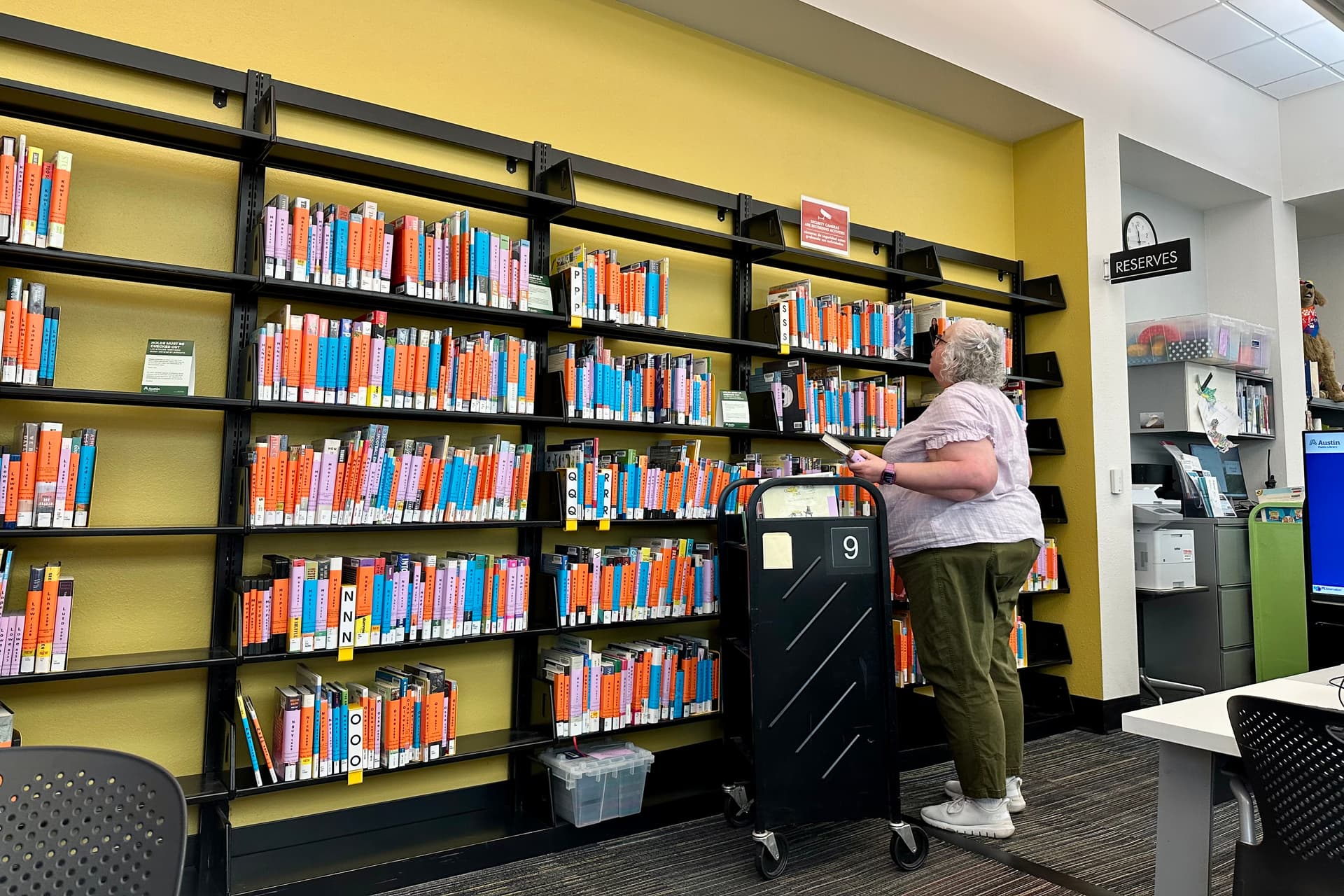
Library funds would be split between two locations: $20 million to improve and expand the current Hampton Branch at Oak Hill in Southwest Austin, and $15 million to develop a future branch in Colony Park in East Austin.
The city didn’t provide information as of press time on how much bond funding would go toward each named project and citywide initiatives, or specify the improvements to be made at each location. The city also didn’t clarify how park-deficient parts of town would be prioritized for new funding and land acquisitions.
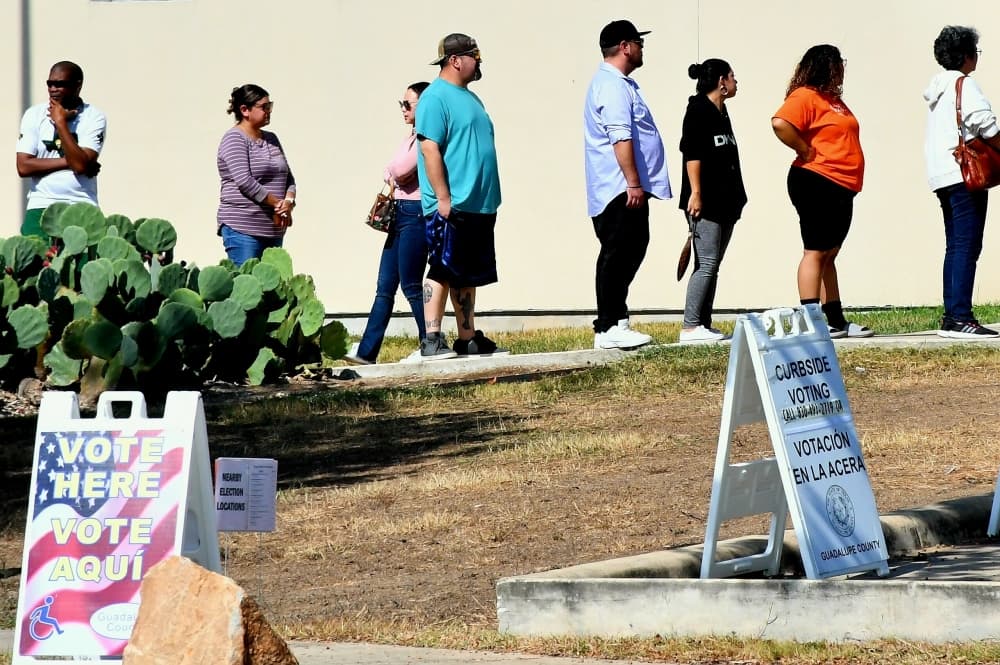
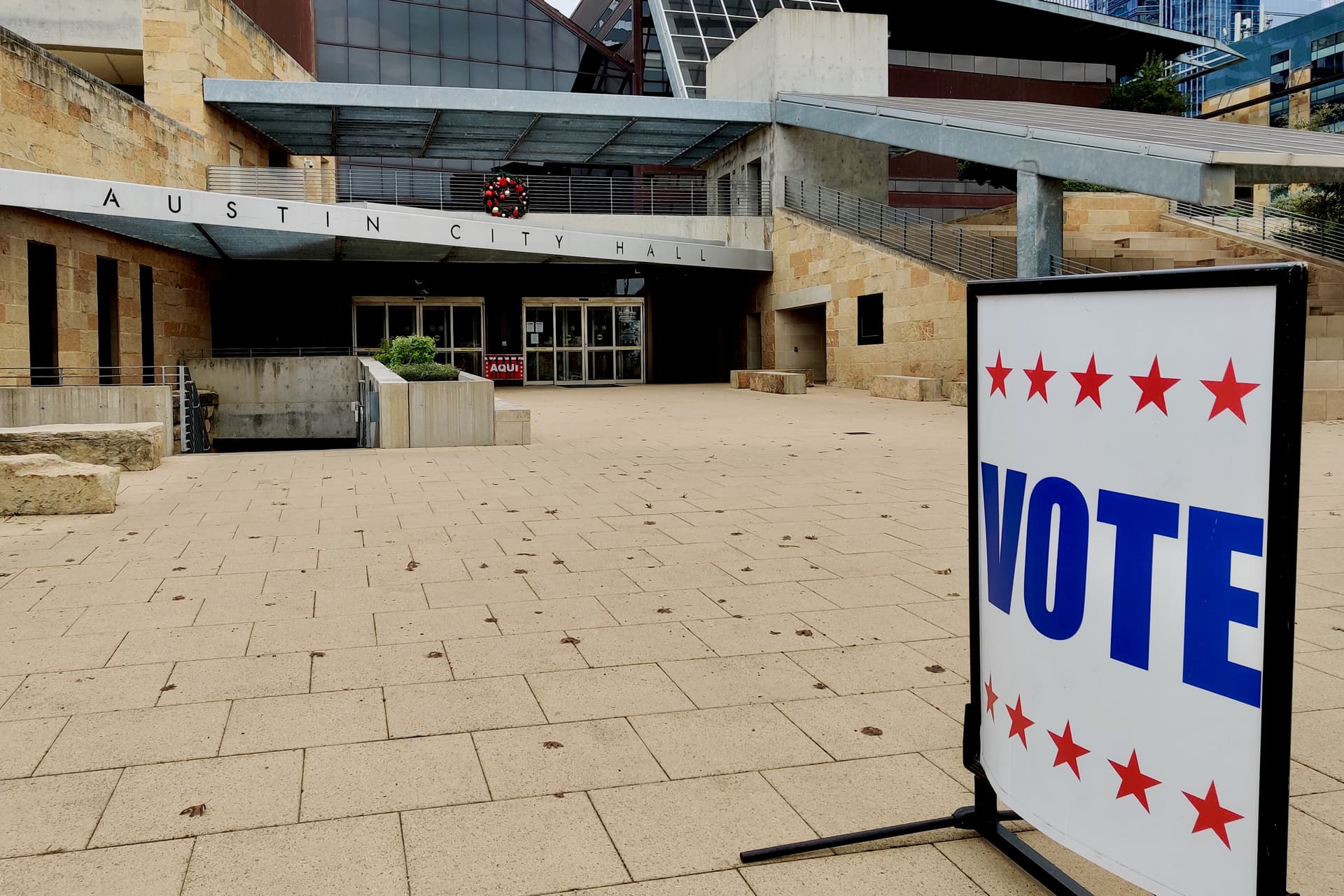
The propositions are appearing on the ballot after securing support from a majority of the City Council this summer. The election advanced in August by an 8-3 margin, with Mayor Kirk Watson and council members José Velásquez and Marc Duchen against.
Most officials said the proposed citywide upgrades are overdue, benefit residents and visitors, and target some of Austin’s greatest needs. Some council members who’d expressed reservations eventually signed on in support after the propositions were updated to include long-awaited projects in their districts.
“I’m firmly committed to making sure that the dollars that are going into the city budget, that voters are deciding whether or not they want to approve, are reinvested in the parts of town that don’t always get that level of investment,” said council member Paige Ellis, who called the Hampton Branch “hugely important” as Southwest Austin’s only public-facing city building.
Those voting against said the added tax burden isn’t worth it for many Austinites, with an approval that was out of line with best practices and council’s own financial guidelines.
“I don’t believe it is the time to negatively impact affordability, or that we should abandon a process created to increase trust,” Watson said.
How we got here
The path to this November’s election started more than two years ago when City Council voted to develop a 2026 bond package. That work involved analysis by city staff and public reviews under the council-appointed Bond Election Advisory Task Force.
Austin has billions of dollars in outstanding needs, and larger bond packages to fund parks, libraries, mobility, housing, flood prevention and city facilities were initially proposed before they were trimmed to the final Propositions A and B.
The context
Austin's last bond program covering multiple needs was 2018’s $925 million package, which included $149 million for parks and $128 million for libraries and cultural facilities.
In the lead-up to this year’s vote, city finance staff promoted a return to comprehensive bonds on six-year cycles without standalone interim elections, like 2022's affordable housing bond. They also advised elected officials that 2026 was too soon for another bond, given Austin’s debt capacity and related financial policies. The choice to call an election this year didn’t align with the council’s recently adopted “decision tree” for bond election planning.
Today, Austin has nearly $2.4 billion in outstanding debt obligations and more than $760 million from 2016-22 bonds remain unspent.
The cost
Bond costs are incurred over time as debt is issued. If both propositions pass, the city expects to issue about $49 million annually from 2027-32.
Residents’ tax bills fund both city operations and debt service that pays for bonds. Debt service taxes for the typical homeowner reached more than $500 this year, and now take up just over 23% of their overall city property tax bill.
Austin's debt service tax impact is expected to continue rising into the 2030s, regardless of the election outcome. With this year's two bonds added, taxes would cover the $295 million in new debt plus nearly $220 million in projected interest.
Debt service taxes also support non-voter-approved debt like certificates of obligation, or COs. Council added more than $32 million of COs to Austin’s next budget for mobility projects and animal center improvements, which will cost taxpayers just over $5 annually once fully issued.
Looking ahead
The pro-bonds Parks, Pools, Trails & Books political action committee formed this summer, while no formal opposition had organized as of press time.
The PAC kicked off its campaign in early September with support from The Library Foundation, Austin Parks Foundation and several elected officials. Council member Mike Siegel said he believes the bond funds would benefit city residents by adding and improving free public spaces.
“What’s the value of having access to a pool all summer long? One day, a family of four going to the pool for free, that’s worth far more than $7,” he said. “This is an investment in affordable activities for our community for decades.”
If the propositions are approved, development of bond-funded projects would continue in 2027 as new debt is issued.