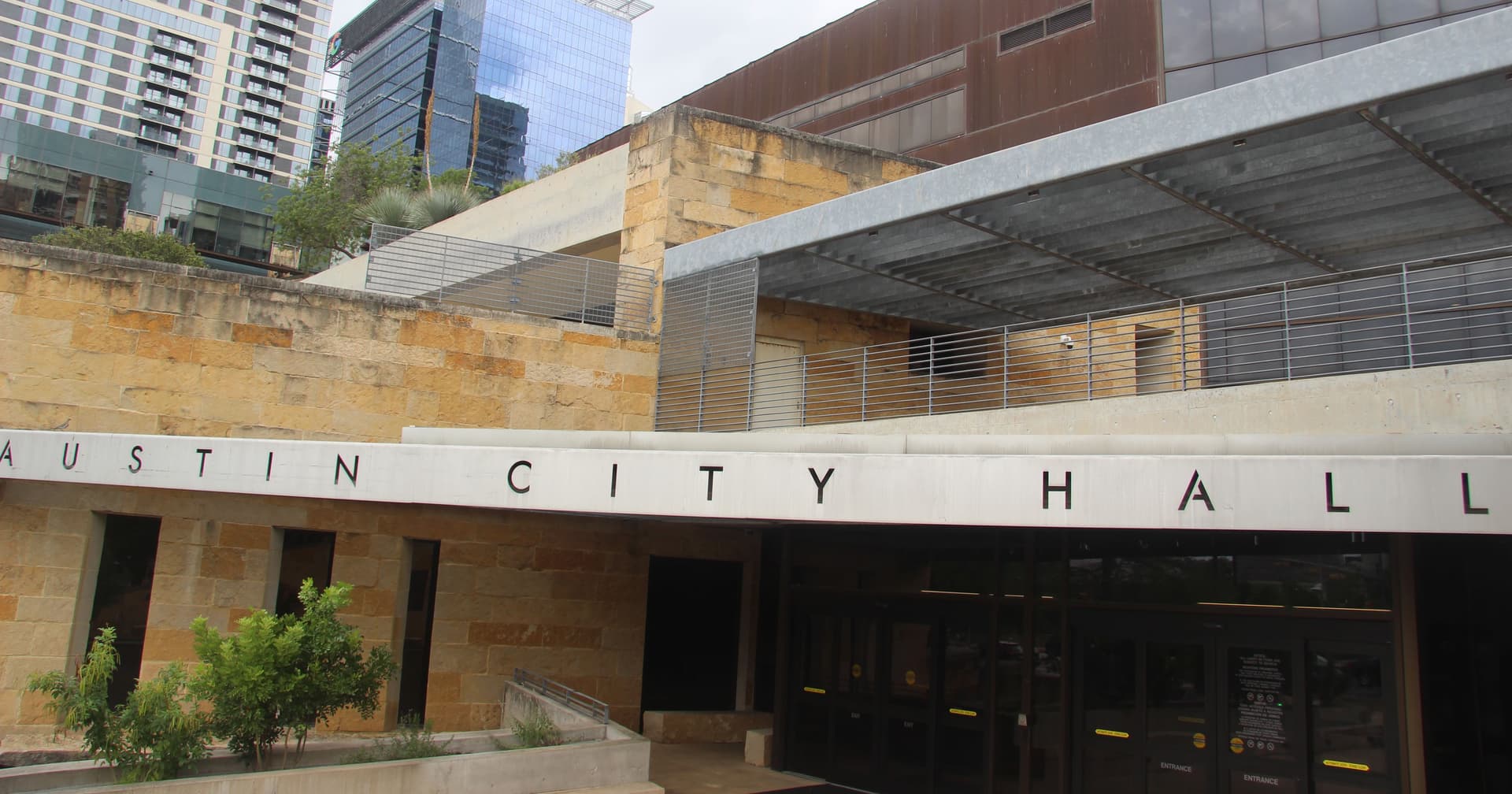
City Council is set to adopt Austin's fiscal year 2026-27 budget and property tax rate as soon as Aug. 12. The decision will cap off weeks of review that largely centered on the anticipated loss of social services funding, and various strategies to fill those gaps.
The setup
Since City Manager T.C. Broadnax released his proposal for Austin's next budget in July, council members have heard hours of resident testimony and briefings from city staff about the spending plan.
Much of the public focus on the FY 2026-27 budget has been on the anticipated loss of millions of dollars for social services from housing to public health, which city staff began planning for earlier this year. Some residents have also spoken out against a tax rate increase and other rising city costs, and many have asked to specifically hold Austin Police funding—the one piece of the budget that effectively can't ever decrease under state law—flat.
Since more than $5 million in social service cuts were first laid out this summer, budget staff reported favorable updates to the tax city's revenue projections resulting in several million dollars more being available for the spending outline. Council members have since considered various ways to use those funds on social service and housing initiatives, while proposing several other adjustments across city departments to address some of their priorities.
Council is scheduled to begin its final budget proceedings Aug. 12, which could continue in the following days if more time is needed.
Zooming in
At their last budget session in early August, officials reviewed a plan to use the newly identified tax revenue to support Austin's housing voucher program that already received some support in Broadnax's original proposal. City staff said that move would free up more dollars for social service contracts that were slated to be reduced or eliminated in the coming fiscal year, based on staff evaluations. Several grants are also up for cuts or consolidation without affecting public services, staff reported.
Officials seemed generally supportive of funding the housing program and maintaining most other contracts. However, council members have said more review of the city's spending on resident services is needed as tight budget conditions are expected to remain.
Mayor Pro Tem Chito Vela said figuring out Austin's ability to fund social services long-term remains a critical question to address beyond this year's budget cycle, and with deeper cuts likely needed without more changes.
“This process is not good for anybody in the sense that, if we just save everything this year we’re really just setting ourselves up—and setting our nonprofit organizations up—for an even more difficult situation next year," Vela said Aug. 6. "I would much rather do that in a gradual and steady way to get to a sustainable level of social service funding, than to just push it off and push it off and push it off until we hit that cliff where we have to have very deep cuts.”
The approach
Most city departments will likely see budget increases to address annual cost drivers like employee raises and rising expenses due to broader economic trends. Council members also floated several budget amendments, and will have to decide which to include in their final spending plan and how they'll be funded.
The costliest item came from Vela, who's calling for the city to issue $32 million in certificates of obligation, or COs—non-voter approved debt—for active mobility projects. The proposal comes as much of Austin's past voter-approved transportation bond dollars for upgrades to sidewalks, trails and the Safe Routes To Schools program have been used, and as mobility funding isn't included in the two bond propositions voters will consider this fall.
Council member Ryan Alter also forwarded an amendment for $1 million in COs that'd be used on traffic calming projects like neighborhood speed bumps. If issued, COs would affect the debt service portion of the city tax rate over years.
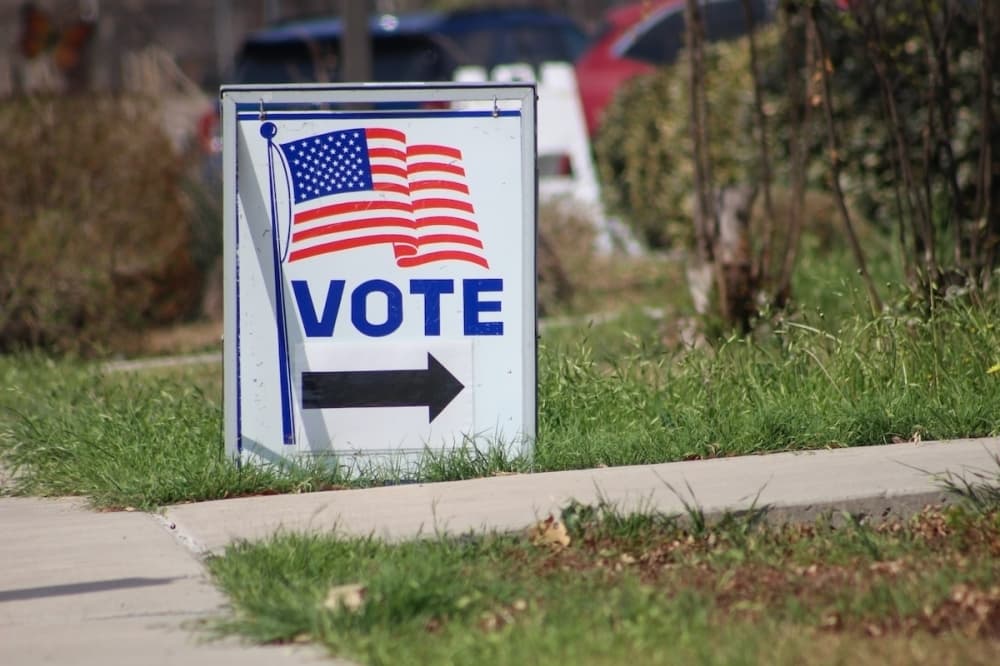
Some other council requests included a move to cut Austin's spending on consulting contracts for about $115,000 in savings, $400,000 for electric parks landscaping equipment and wood-chippers, $1 million to expand crime victim services, and $75,000 for a partnership with Capital Metro to provide more fare-free voting days this fall. Officials are also seeking to boost homeless services with $500,000 to increase the capacity of a storage program for personal possessions and $250,000 to support city shelter operations.
A closer look
One notable change that could stem from this summer's budgeting decisions is the creation of a standalone Office of Joint Emergency Communications, pulling 911 call-taking out from police department management.
The concept is one that some officials have long pushed for, most recently after council member Krista Laine sponsored a study into the 911 transition last summer with unanimous backing from her colleagues. Laine has repeatedly criticized city public safety leaders this year for delaying the potential update; a strategic plan on council called to be presented by last December has yet to be completed.
“The will of council has been frustrated by staff inaction. This sort of delay erodes public confidence, and now instead of having a well-studied plan in preparation for the budget cycle all we have is a memo that council was sent approximately a week ago," council member Mike Siegel said.
The emergency communications office would require more than $1 million for staff and start-up costs next year, in addition to the transfer of nearly $9 million from Austin Police for over 100 current personnel and related resources. City staff have recommended against making the shift, and it remains to be seen if the new office will be created for the year ahead.
Siegel joined Laine's push to establish the new office, saying emergency call-taking is too important to remain a sub-department and that a separation can help Austin promote alternatives to police responses in emergencies. He also noted Austin has successfully removed a critical function from the police department recently with the creation of a standalone forensic science division. Laine has also contended the office is needed to address citywide needs, and to improve focus on outlying areas like her District 6 where 911 responses can be slower.