Richardson is on track to adopt new state-required regulations for home-based businesses that loosen requirements on property usage and employees.
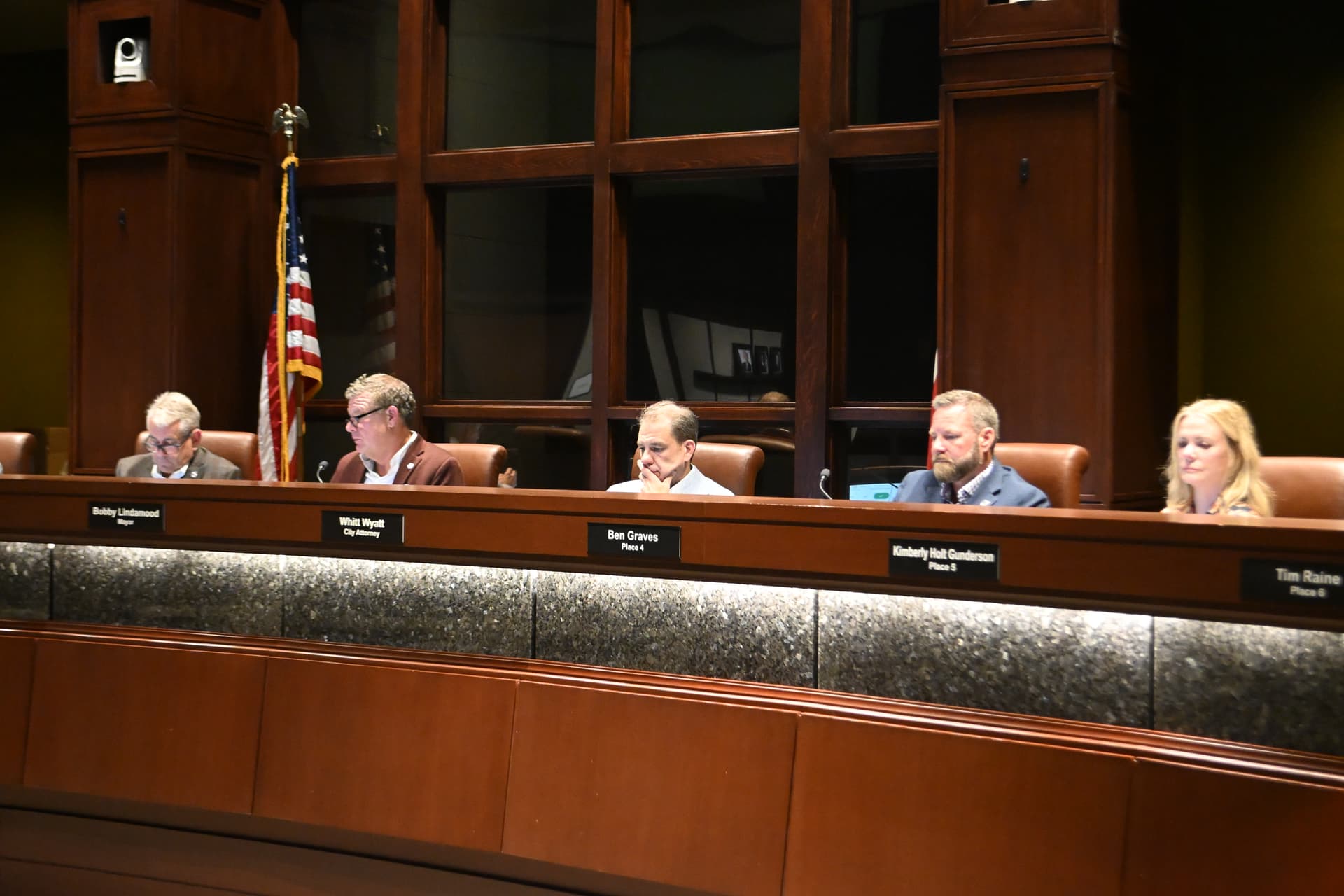
The City Plan Commission unanimously recommended approval of proposed updates to Richardson’s comprehensive zoning ordinance on May 19 in response to changes passed by the state during the last legislative session.
The overview
Richardson currently allows “home occupations,” which refers to home-based businesses, within all residential zoning districts, including in single-family homes, townhomes, duplexes and apartments.
New state law eases the ability for home-based businesses to operate within residential neighborhoods, said Andrew Bogda, assistant director of development services. The statute requires the creation of a new category of home business, a “no-impact home-based business,” with largely looser regulations than currently required by the city.
“It appears our definition of a home occupation is less of an impact on a neighborhood than what the state allows,” chair Bryan Marsh said.
Bogda recommended that the city update its ordinance to include no-impact home-based businesses along with their state-required regulations, while also maintaining the city’s original category of home occupations and its accompanying regulations. Bogda said that including both sets of criteria will allow current legally conforming businesses to continue operating regardless of the new state regulations.
Current situation
The city’s current ordinance includes 13 requirements for home occupations to ensure that the business does not negatively impact the neighborhood. These requirements include:
- Business must be conducted entirely within a completely enclosed structure
- Business shall not exceed 20% of the property’s total floor area
- No outside storage of materials, goods, supplies or equipment
- No building alterations, activity or signage that indicates a business from the exterior
- No employees other than family or lawful occupants
- No noxious conditions or hazardous materials
- Businesses must not generate additional traffic or parking
What’s new
For the new regulations on no-impact home-based businesses, state law provides greater flexibility on the number of employees and the use of the property, and expands the city’s ability to require adherence to city codes.
Home-based business owners are now allowed to use the entire property for their business, not just the inside of the building, but business activities must not be visible from the street. Building modifications that alter the property’s residential character are also prohibited.
Bogda said this change will allow outside businesses, such as swimming lessons or dog sitting, to be able to operate legally.
The new regulations also do not limit home-based business employees to residents of the property. There will be no specific limits on the number of employees that may work at the residence, but the total number of employees, patrons and clients on-site may not exceed the property’s occupancy limits established by the fire code.
The city will also require that the business remain in compliance with the building and fire codes and all regulations related to health and sanitation, solid or hazardous waste and pollution control.
Along with the new category of regulations for no-impact home-based businesses, Bogda said the city will also update its existing regulations for home occupations. Changes include allowing one person who is not an occupant of the residence to be employed and work at the residence and prohibiting merchandise from being offered or displayed for sale on the premises.
Also of note
The new no-impact home-based business regulations do provide stricter parking restrictions than currently in place by the city, which allow business parking along the street frontage of the property. For no-impact home-based businesses, street parking is prohibited, and all parking for employees, patrons and clients must be accommodated within the off-street parking on the property.
Residential properties that are accessible by a paved alley are able to pave additional spaces in their rear yard. City staff initially recommended limiting additional parking spaces to one, but commissioners said that the regulation would be an “overreach.”
“If their backyard is not visible from public view, so what if they want to pave it or gravel it?” Marsh said. “The state said a city is hands-off—[we] need to allow these home-based businesses and not get in their way.”
Put in perspective
Bogda said it will be on a case-by-case basis to determine which category a home-based business falls under. Since Richardson does not require a license from the city to operate a home-based business, Bogda said the determination of which regulations apply to a business will largely be made in response to a complaint or as part of an investigation.
“If we get complaints on a particular home occupation use occurring, we can look at the evidence of what’s occurring and see what use they may be closer to,” Bogda said.
What’s next
After the commission unanimously recommended approval, the new regulations will be considered by City Council.