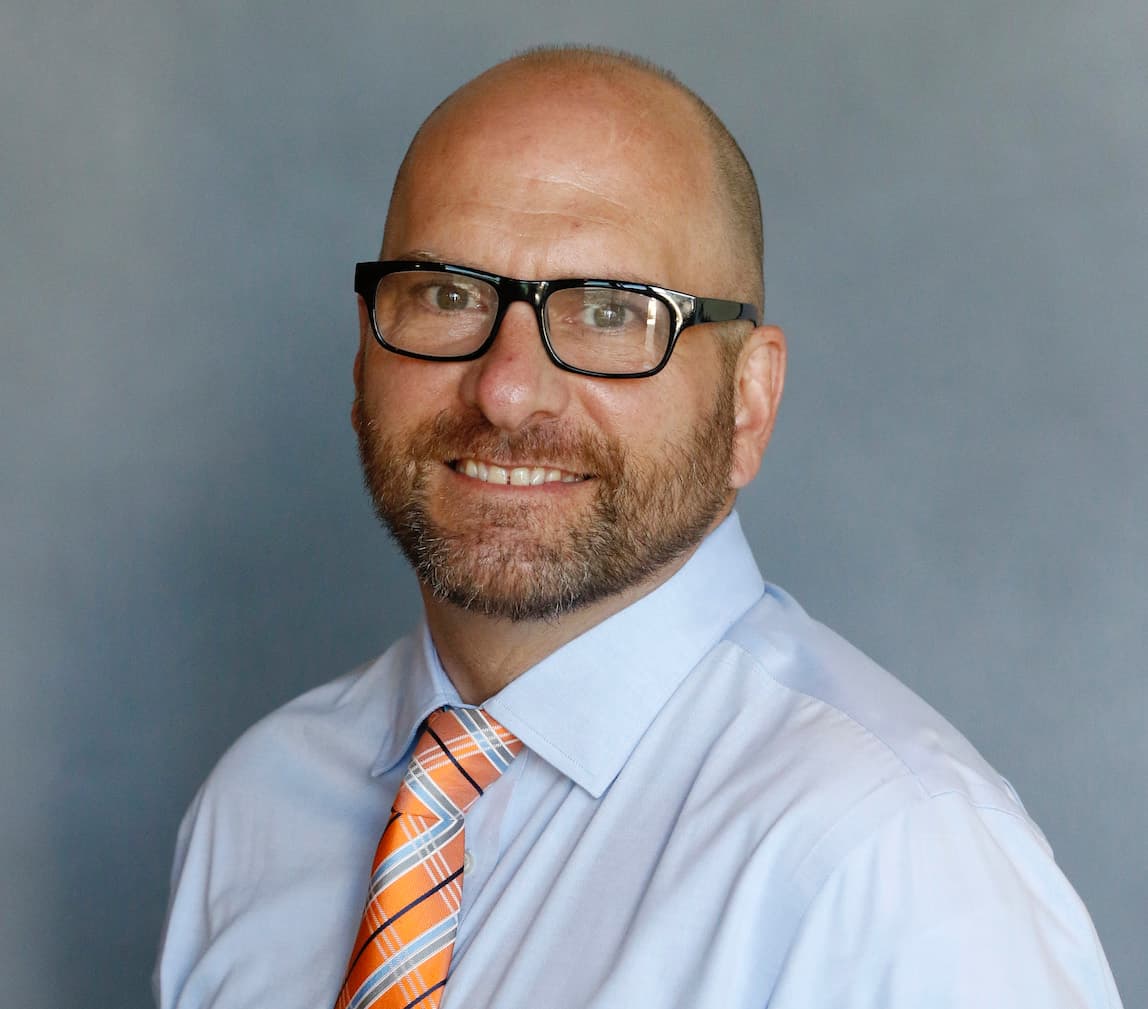
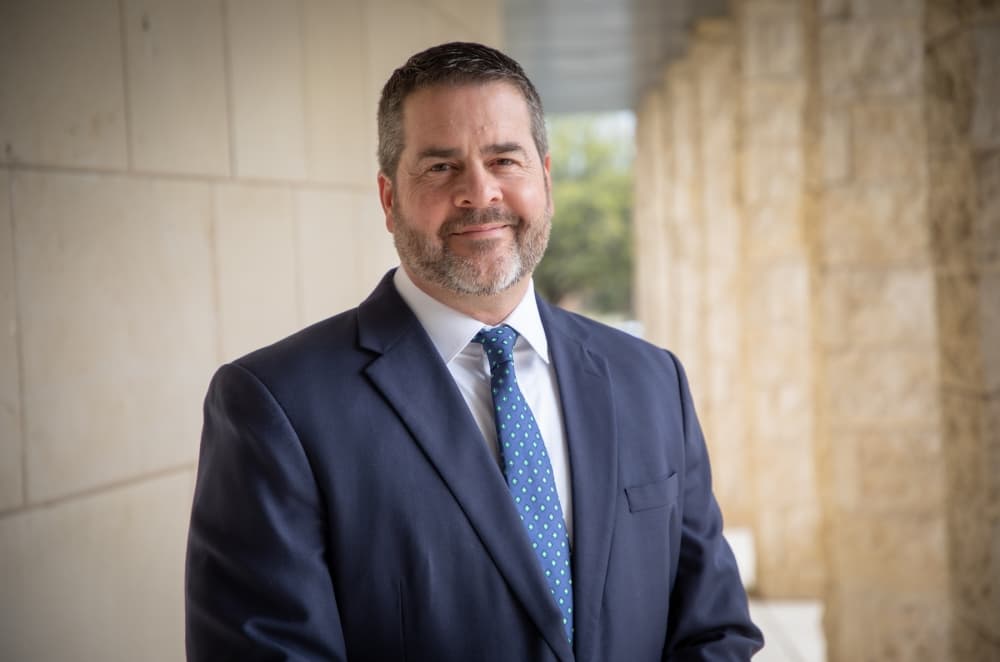
Frisco ISD named Todd Fouche as the district’s newest superintendent.
Fouche stepped into the role in April after his contract was approved by the board of trustees. Fouche replaced Superintendent Mike Waldrip, who served in the position since 2017.
Fouche has served in several roles during his 10 years in the district, most recently as the deputy superintendent.
Community Impact sat down with Fouche to talk about his vision and goals as superintendent. Responses have been edited for length, clarity and style.
What is your vision as superintendent for Frisco ISD?
The first thing is to build on what's already a great district. Frisco ISD is a very strong school district. At its core, that means ensuring every student feels known, supported, prepared for their future. We want the district to value relationships, meaningful opportunities and academics, fine arts, athletics, career pathways, and stay innovative on what we're doing. I also want us to be adaptable. We know that the needs of our students, family and community will change. We know that the jobs of the future aren't even real jobs right now.
Where do you see the biggest financial challenges ahead?
Our biggest challenge right now is declining enrollment. Property taxes are the funding mechanism for the state, and then the state takes all that money and basically funds school districts on average daily attendance. We're funded when students are enrolled in the school district.
We're seeing this trend right now of a little bit of a decline in enrollment, which means dollars for us. And part of it is—I always use this jokingly, this example that I'm the problem. My home used to yield two students for Frisco ISD, and then my home yielded one student for Frisco ISD, and now my home yields no students for Frisco ISD. That's kind of our biggest funding problem right now is this kind of enrollment shift.
How do you define success beyond test scores?
Hopefully lots of ways. Test scores aren’t unimportant, but they’re a data point. They don't tell the full story about a student or a school system. Really, our job is to grow young people, and our job is to grow them academically, certainly, but also personally and in any other way. We want them to grow athletically, we want them to grow performing arts.
We use this term ‘whole child.’ What that means to me is we want the whole child, all parts of them to grow while they're with us in Frisco ISD, and I talk a lot about confidence. To me, it's kind of the X factor, and I look at confident people and what they can do in life. We want students to leave here as confident, capable and prepared for what's next in their life after high school. Test scores, again, it's important, but it can't be everything.
What are your top priorities when it comes to campus safety and security?
I think of Maslow's Hierarchy of Needs when I think of safety and security and that students, before they can learn, need to be fed and they need to feel safe. Our priorities, they're pretty layered, so strong physical security measures, well-trained staff. We also have recently started the School Marshal program at our elementary level. Our secondary schools have always had school resource officers. They're actually members of the Frisco Police Department or Plano or Little Elm or McKinney, depending on what municipality we're in.
Our secondary schools have always had those, but our elementaries didn't really have somebody there all the time. We introduced it this school year, and our goal was to get half of our elementaries to have a school marshal by the end of the year, and they actually all have a school marshal now. We also have this program that other school districts don't have, to my knowledge, called the SAFER Program. The police and fire department have access to the cameras in the school, so if there were an event in the school, they could pull up and tap into our camera system in a live way so they could see where the threat could be, and they could see what was going on in the school before they entered in there.
As Frisco continues to evolve, how do you preserve what families value about the district?
That really kind of jives with what I feel like my strengths are and where I want to go from here. People talk a lot about communication, and to me, communication starts with listening, listening to families, what do they want? Why are they here? What do they want from Frisco ISD? One of the things that's been a draw for Frisco for years is what we call the Student Opportunity Model.
It starts with our high schools being a little smaller than other high schools, so that students can participate in more things. We know that students who are engaged in extracurricular activities ... they're going to be more successful and have a more well-rounded experience. We want to listen, and we want to find out why people are staying, but we also want to find out why people are leaving. It's important for us to reach out to those families too and not be scared of hearing hard information, but listening to them too, and finding out: Why was Frisco not a good fit for you? Is it something that is just not part of our core value system, or is it something that we could easily fix and get you back here?
What are you hearing from students, and how does that shape your leadership?
Students are awesome to interact with. Students are interesting because they want to be challenged. Students want to be supportive. They want their thoughts and opinions to be valued. It can be through academics or extracurriculars or career pathways.
Dr. Waldrip had this group that he called the Superintendent Student Advisory Committee—it's four students from each high school—so it's 48 students. I got to go and meet with them as the new superintendent, and it could have been a seven-day meeting if I weren't careful. I just asked them some open-ended questions like, ‘What do you want from us? What do you want from your school district?’ I had so many of them come up to me afterwards and say, ‘We love that you're asking those questions.’ They want connections. They want it with their teachers. They want it with their schools. I think their need for connection completely reinforces the idea that relationships are what we're all about.