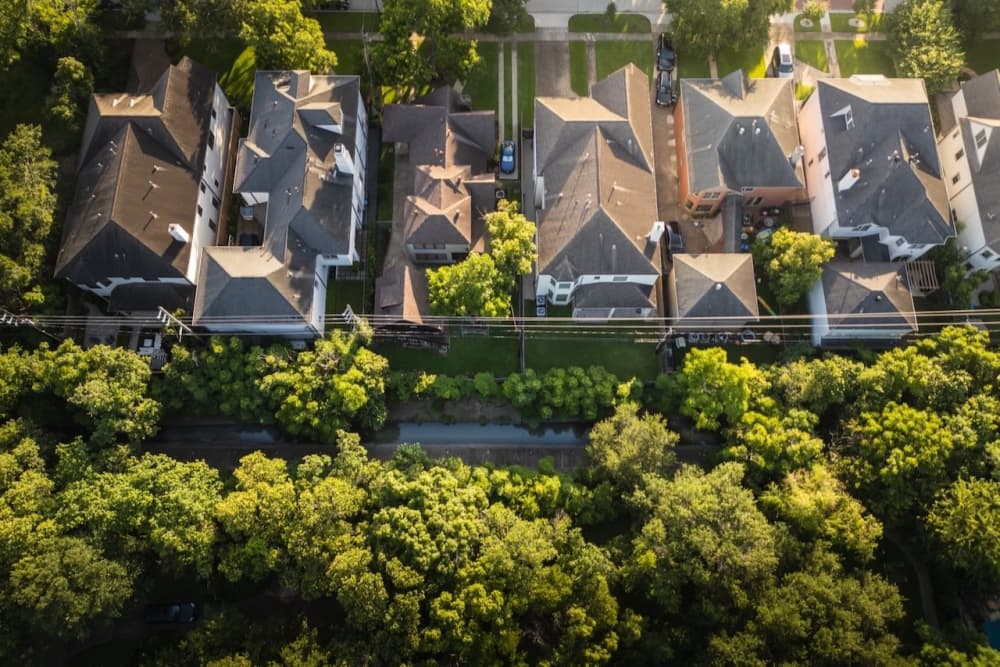
Texas' budget for fiscal years 2026 and 2027 includes $51 billion in property tax relief. A statewide study indicates that the taxes homeowners paid to local school districts in 2025 fell by 13.6%, although some residents said they are not feeling the benefits. (Zach Thoms/Community Impact)
Across Texas, the taxes that homeowners pay to their local school districts went down by about 13.6% in 2025, one state senator found.
Sen. Paul Bettencourt, R-Houston, said his office filed public information requests seeking property tax data from appraisal districts and tax assessor-collectors in each of Texas' 254 counties. He called the study the "most comprehensive" information available about how recent state efforts to drive down local property taxes have impacted homeowners.
How it works
The state of Texas does not charge property taxes, meaning homeowners are taxed by local entities such as school districts, cities, counties, hospital districts and municipal utility districts. The Texas Legislature, however, can place limits on how much local governments raise taxes annually and require tax exemptions for certain groups.
The details
Across the board, many Texas counties mailed out reduced property tax bills for the 2025 tax year, Bettencourt's office reported. During a Sept. 1 hearing of the Senate Local Government Committee, he said the average homeowner's property tax bill went down by about $140 last year, falling from $1,037 per year in 2024 to $896 per year in 2025.
On average, homeowners who are over 65 years old or have a disability saw their annual property tax bills go from $565 in 2024 to $380 in 2025, or a $185 decrease, Bettencourt said.
The majority of Texas homeowners receive a $140,000 exemption from the school district taxes paid on their main residence, known as the state homestead exemption. Seniors and people with disabilities receive a $200,000 homestead exemption, per previous Community Impact reporting.
According to the state comptroller's office, the taxes levied—or charged—by public school districts statewide decreased slightly from $41.66 billion in 2024 to $41.65 billion in 2025.
In many Texas counties, property tax rates decreased from 2022-25, state data shows.Courtesy Texas Real Estate Research Center
"There's more work to do, but I hope everybody can see that we are on the path to getting homeowners out of school property taxes," Sen. Bryan Hughes, R-Mineola, said Sept. 1.
If a home is valued at an amount lower than the exemption a homeowner receives, then that homeowner is not required to pay any property taxes to their local school districts, Bettencourt said. Of the state's 6.1 million homeowners, about 39% paid $0 in school property taxes last year, data from Bettencourt's office shows.
"It's important to know that these homesteads will never go back above zero for the [homeowner's] lifetime," Bettencourt said Sept. 1.
Zooming in
Some state senators said they were concerned that the benefits of recent property tax relief are not being evenly distributed.
"[Tax relief] has been a bipartisan effort from the very beginning—both Democrats and Republicans have been supportive of it," Sen. Royce West, D-Dallas, said. "The question is whether there's been any shifting of responsibility in terms of taxes, and what I'm understanding is that apartment dwellers are paying more; a disproportionate share."
When landlords see a reduction in their property taxes, they are expected to lower rent for their tenants, Bettencourt said. However, some committee members noted that state law does not require landlords to do so.
Sen. Molly Cook, D-Houston, read a message from one of her constituents, who shared that they "have never seen a tax break because of these exemptions."
"Every tool we funded just hasn't translated to savings in their actual pocketbooks," Cook said Sept. 1.
JD Hale, vice president of government relations for the Texas Association of Builders, told the committee that housing affordability and attainability have become "almost a crisis in our state."
Hale said a home is considered "attainable" if the buyer or homeowner spends less than 30% of their annual household income on housing. The median price for a new home in Texas currently sits at $380,000, meaning that the median home is attainable for Texans with household incomes around $130,000 or higher, he said.
"Right now, Texas ranks 43rd in homeownership rates, and I think that is really sad," Hale said Sept. 1. "We continue to talk about how great Texas has been for businesses, ... and it is unfortunate that the homeownership rate does not coincide with where we rank as a state for attracting businesses. We need to get more people into homeownership."
More context
In July, Gov. Greg Abbott and legislative leaders directed nearly all state agencies to reduce their base budget requests by 3% for the 2028-29 biennium. Leaders said the reductions were necessary to "maintain Texas’ strong fiscal position" and address affordability issues for residents.
Texas' budget for fiscal years 2026 and 2027 includes $51 billion in property tax relief, previous Community Impact reporting shows—and unless the legislature rolls back existing tax exemptions, the state will be required to spend that much or more on tax relief in every two-year budget.
Abbott has vowed to eliminate the property taxes charged by public school districts during next year's state legislative session, although some lawmakers have questioned whether the state can afford to continue increasing tax exemptions.
"I will say the fiscally responsible thing, because someone has to: A permanent obligation to our tax rolls funded by a temporary budget surplus is just a structural deficit on layaway," Cook said during the Sept. 1 hearing. "The surplus that has paid for these homestead exemptions until now is gone, and we are hearing calls from state leadership to cut spending on services and agencies that provide health and safety to our constituents."
One more thing
The Senate committee took invited testimony only and did not hear from the public during the Sept. 1 meeting. The House Ways and Means Committee, which deals with the lower chamber's property tax legislation, is scheduled to consider ways to build on existing property tax relief during a Sept. 15 hearing.
Committees have been meeting throughout the summer to begin shaping their priorities for next year, although no specific bills are being considered as the legislature is not currently in session.