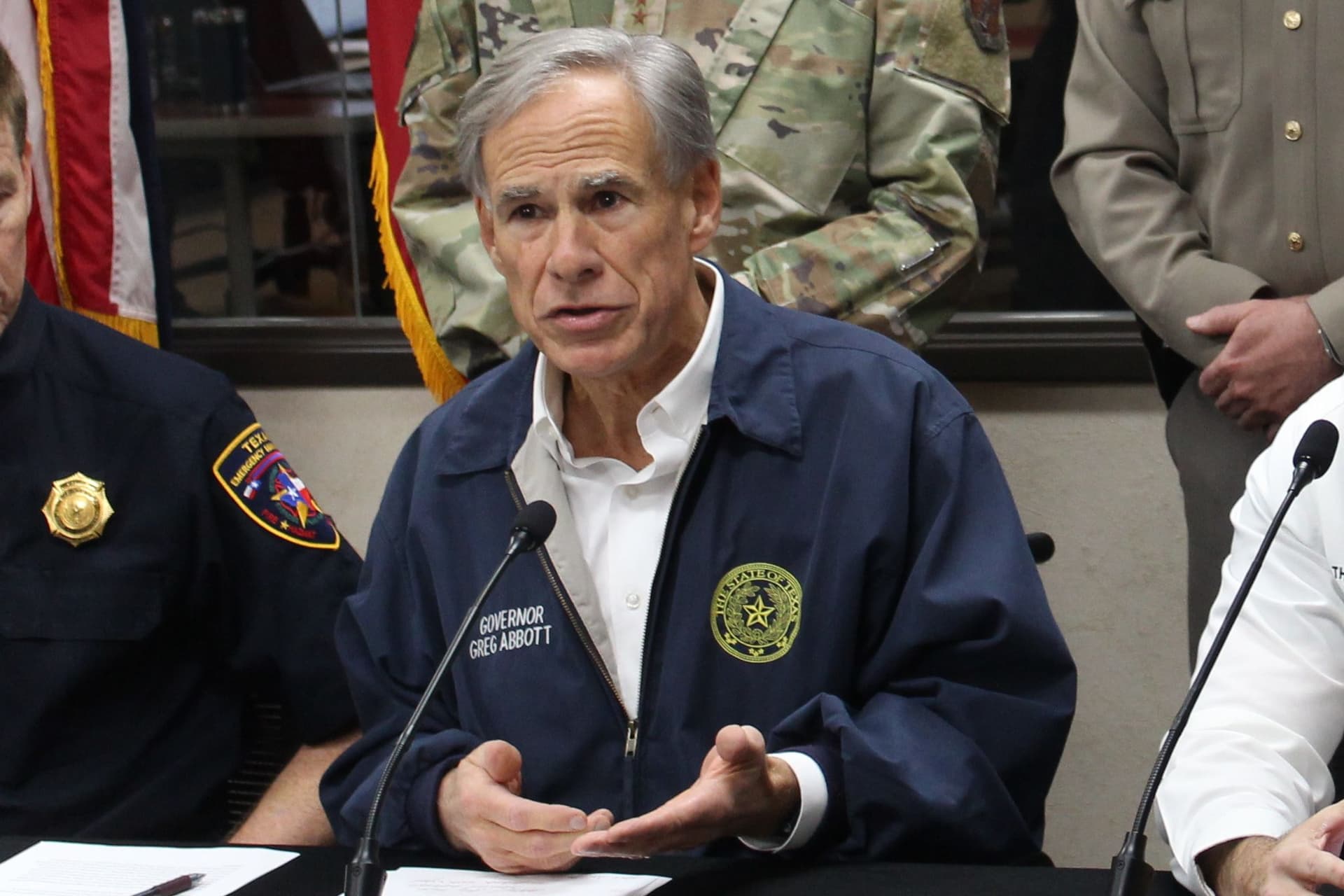
Texas environmental regulators must stop issuing new permits for data centers, Gov. Greg Abbott said Sept. 21.
His order expands an existing pause on data center development in the state amid consistent public criticism of the booming industry. Abbott, who is running for a fourth term as governor, has recently moved to slow the growth of data centers after calling Texas “the epicenter of AI development" last year.
What's happening
In a Sept. 21 letter, Abbott directed the Texas Commission on Environmental Quality to halt all new data center permits while the Electric Reliability Council of Texas, which operates the state power grid, conducts an audit of proposed data center projects. That audit will likely wrap up by the end of the year and is expected to cover the tax exemptions data centers are receiving; their plans for water and electricity use; how they will limit disturbances to local communities; and who owns each proposed facility, Community Impact previously reported.
One week earlier, the governor told the Texas Water Development Board to work with ERCOT to ensure "critical water use information" is collected from data center companies in addition to a mandatory survey that the TWDB sent to data centers and other entities early this year. As of Sept. 1, about 30% of the 324 facilities surveyed by the water development board had responded, officials said.
The TWDB should report data centers that do not submit information about their water usage to local law enforcement, Abbott said in a Sept. 14 letter to agency heads.
"This process will ensure that TCEQ has sufficient information, including information gained from pending audits, and time to thoroughly review all proposed permits to make fully informed permitting decisions," Abbott said in the letter to TCEQ Executive Director Kelly Keel.
More context
While ERCOT's audit prevents new data centers from being approved to connect to the state power grid, some developers may be able to get around the pause by building what is known as "behind-the-meter" generation, experts have said. If companies develop in-house power infrastructure that is not connected to the grid, they are not subject to ERCOT oversight.
However, any construction project impacting at least 1 acre of land requires permits from TCEQ, according to the agency's website. Industrial and construction projects also need air permits, and other permits may be required based on the specifics of the project.
"Data centers must pay their own way, protect our grid and water, and complete the ERCOT and TWDB audits," Abbott said in a Sept. 21 statement. "Until they do, TCEQ will issue no permits sought by data center projects."
What they're saying
Luke Metzger, executive director of Environment Texas, said his advocacy group was "encouraged" by Abbott's order.
"As Texas faces increasing pressure on our water supplies and electric grid, we need to ensure that data centers operate efficiently and sustainably," Metzger said in a Sept. 21 statement. "We need to hit the brakes on big data centers to make sure that we get this right. Our air and water are too precious to risk."
Metzger also criticized TCEQ's permitting process, which he said is "not sufficiently protective" of humans and the environment.
"Loopholes currently let massive data centers divide their gas plants and diesel generators into separate 'minor' sources, allowing developers to avoid public scrutiny and proper pollution controls," he said. "To help Texans breathe easier, lawmakers should take steps to minimize these emissions and encourage cleaner alternatives."
In Bastrop County, which is home to at least four large data center projects, local residents asked TCEQ to overturn two stormwater permits for a proposed 2,842-acre data center and power development, citing concerns about drainage, hydrology and stormwater runoff. TCEQ had not ruled on the requests as of mid-August, Community Impact reported.
One more thing
Abbott's data center directives have come within months of the Nov. 3 election, during which Abbott is seeking reelection. State Rep. Gina Hinojosa, an Austin Democrat running against Abbott, has criticized the timing of his decisions and pushed for legislative action.
"Abbott can take action now to end the data center madness," Hinojosa said in an Aug. 3 statement after Abbott announced the utility audit. "He could issue a moratorium until the legislature meets to put in place real protections for Texans and give them a seat at the table to decide if and how data centers move into their communities."
Elected officials and candidates from across the political spectrum have asked that Texas lawmakers meet to consider tightening data center regulations ahead of the 2027 legislative session, which begins in mid-January. Only the governor has the authority to call a special session.
Abbott said Sept. 21 that he would work with the legislature next year to end financial incentives for data centers, and he previously laid out other legislative priorities targeting the industry.
Community Impact reported that ERCOT officials intend to collect information about proposed data centers through November and release reports on the audit in early December.