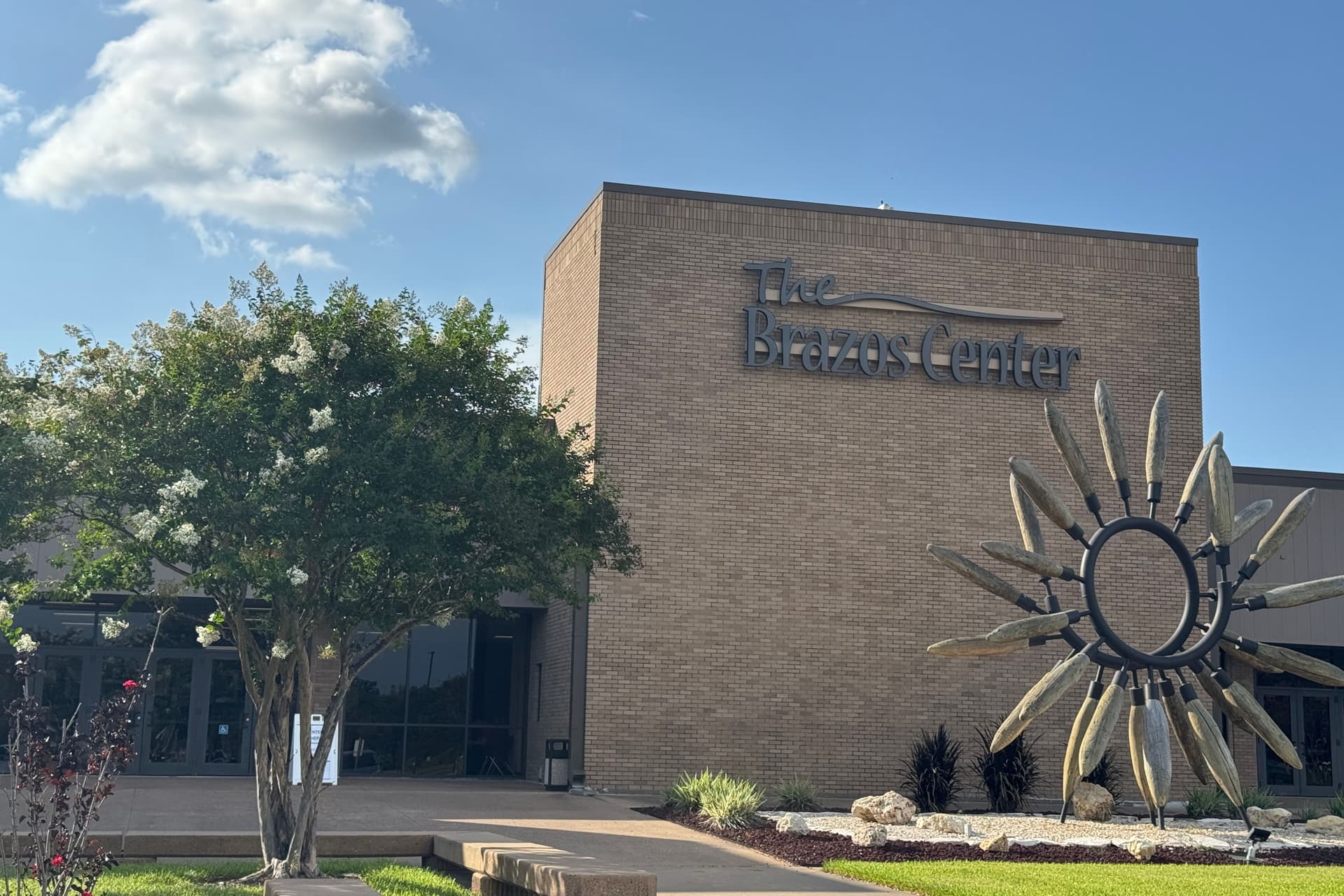
Candidates for Bryan and College Station city councils addressed housing affordability, aging infrastructure, public safety, city spending and development during The BCS Chamber’s second candidate forum Oct. 19 at the Brazos Center.
District 5 on College Station development: Special-election candidates discussed zoning, parking, city spending, public safety and the future of the former Macy’s building.
The former Macy's has been vacant since 2021. The city purchased the deprtment store in 2022 for $7.3 million, according to multiple sources.Courtesy Google Maps
Tre Watson, a longtime resident and community organizer who serves on city boards and committees, urged officials to put residents ahead of profit. He said zoning decisions should account for neighborhood concerns and that the city needs housing options for working-class families.
Padon Holt, a business and real estate attorney, said the city should allow market demand to help guide development while using planning and impact fees to manage growth. Valen Cepak, who has served on nonprofit, school and city boards, called for more public trust and better listening to neighborhood residents.
The candidates offered different proposals for the vacant city-owned Macy’s property. Watson supported converting it into a recreation center. Holt favored putting it back on the market and allowing a buyer to determine its use. Cepak said he would have opposed the original purchase and favored demolishing the building and selling the lot for redevelopment.
They also discussed overnight parking near campus. Holt said the city should examine alternatives before charging for street parking, Cepak suggested assessing emergency-access concerns with city officials and considering game-day shuttle options and Watson said residents should be consulted before restrictions are imposed.
On the budget, Cepak and Holt questioned capital spending and the use of reserves, while Watson said infrastructure and maintenance needs must be weighed carefully before officials promise tax reductions. The candidates also differed on public safety priorities, with discussions of competitive pay, retention, equipment and police funding.
District 2 on growth and neighborhood needs in Bryan: Incumbent Ray Arrington and challenger Chrissy Ransome identified aging infrastructure and housing affordability as major concerns in District 2.
Arrington, a longtime Bryan resident and retired Air Force servicemember, said the district’s older pipes, roads and sidewalks need continued investment as the city grows. He pointed to planned capital projects and potential business development, saying infrastructure improvements can help attract employers.
Ransome, an entrepreneurship manager with experience serving on boards and committees, said affordability affects multigenerational families and residents who want to remain in the neighborhoods where they grew up. She also called for more attention to activities and resources for young people and seniors.
On housing, Arrington raised concerns about density and the challenges of building homes on smaller lots in established neighborhoods. Ransome said the city should consider wages, home prices and residents’ needs when making zoning decisions, noting that many households cannot afford increasingly expensive homes.
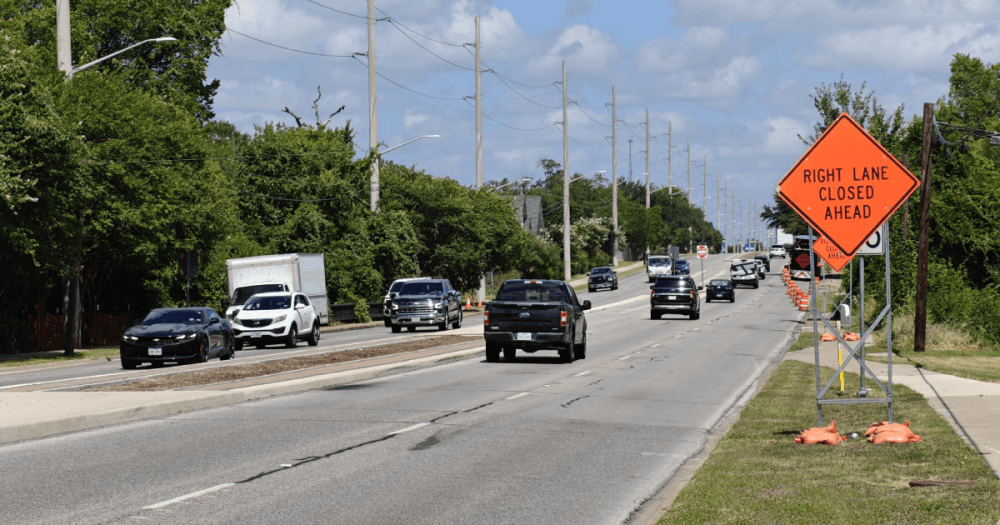
The candidates took different approaches to removing Texas Avenue medians. Arrington said the city should follow the voters’ decision if a proposition mandates removal, adding that officials would need to find the necessary funding. Ransome said the city should examine its budget and prioritize medians that create problems for emergency responders.
A measure to remove raised medians along Texas Avenue in Bryan is headed to voters in November. Rhett Brady/Community Impact
Both candidates also discussed public safety. Ransome said conversations with firefighters had raised concerns about retention and pay. Arrington said staffing and safety needs should be considered as new development is approved.
Ransome supported exploring separate meeting days for Bryan and College Station city councils to make it easier for working residents to attend both cities’ meetings. Arrington cited the demands of council service but said the city’s meeting schedule must be considered alongside other responsibilities.
Place 1 on budget priorities and public safety in College Station: Candidates Mark Smith, Howard Mayne and Roy May debated the city’s budget, the proposed public works facility, housing costs and the use of license-plate reader cameras.
Smith, a former College Station public works director and current city council member, defended the city’s budget and recent tax-rate increase. He said operating-budget growth was relatively modest and explained that capital spending does not automatically change the current debt-service portion of the tax rate.
Mayne and May questioned the scale and cost of capital projects. Mayne expressed concern that the public works facility could become substantially more expensive than its current $55 million budget estimate. He proposed examining alternative locations, using existing city property and considering a phased approach before committing to the project.
May also called for greater fiscal discipline, arguing that officials should scrutinize spending and look for savings before raising taxes. Smith supported proceeding with the public works facility, saying the city needs an adequate building and that $55 million remained the official budget figure.
The candidates agreed that overnight parking in the Southside and Eastgate areas presents safety challenges. Smith said public safety should guide decisions while acknowledging that some residents oppose parking restrictions. Mayne suggested options such as one-sided parking, resident permits and making better use of existing lots. May favored stronger enforcement and suggested exploring whether the former Macy’s parking lot could provide additional parking with shuttle service.
All three addressed Flock license-plate reader cameras and privacy concerns. Smith opposed renewing the contract without better protections for residents’ data. Mayne supported using the renewal period to establish safeguards, while May said he supported the technology’s potential crime-solving benefits but wanted stronger rules governing how the data is handled.
On housing affordability, Mayne proposed reviewing impact and permitting fees. Smith said impact fees help pay for infrastructure associated with new development but could be waived for projects the city wants to encourage. May suggested incentives for builders who agree to construct homes below specified price limits.
District 1 on infrastructure and accountability in Bryan: Incumbent Paul Torres and challenger Chris Scotti agreed that aging infrastructure remains a priority in Bryan’s District 1, but differed on how the city should address it and evaluate past decisions.
Torres, who serves on city council, said more than $50 million in infrastructure work had been completed or was underway during his four years in office. He highlighted drainage, road improvements and other projects, crediting city staff and fellow council members for their work.
Scotti–who has experience in economic development and previously served on College Station City Council from 2005-08, according to his Ballotpedia page–said the city should move beyond repeatedly patching deteriorating roads. He called for clearer public explanations of infrastructure priorities, including the costs and risks of delaying repairs.
The candidates also disagreed over the stalled movie-theater development. Scotti said he would have opposed an additional loan and argued that the city should avoid putting more money into struggling investments. Torres said Bryan had a long-standing relationship with the developer and that the city was pursuing options to restart the project and recover the money.
Bryan City Council approved a ground lease to SMBG Bryan, LLC to construct a multiuse recreation and entertainment facility in Travis Bryan Midtown Park in November 2022, expected to be complete in 2024.Courtesy city of Bryan
On the proposed removal of Texas Avenue medians, Torres said the city should explore funding options to address concerns about emergency response times. Scotti supported removing as many medians as possible and proposed studying the economic effects of the medians, including potential impacts on businesses and property values.
Both candidates also discussed public access to council. Scotti proposed additional opportunities for residents to speak with elected officials, while Torres said he was open to more meetings and preferred allowing public comment earlier in the meeting.
Place 2 on housing, costs and city services in College Station: Candidates Chandler Arden and Michael Kidd emphasized affordability, responsible budgeting and public safety.
Arden, a real estate professional and residential developer, said College Station must balance additional housing supply with protecting existing neighborhoods. He called workforce housing important and argued that the city should reconsider how its budget is developed so spending plans and funding decisions are evaluated together.
Kidd, a business owner and plant manager, said the city should examine zoning and consider expanding down-payment assistance to help residents and students remain in College Station.
College Station City Council approved changes to two federally funded housing programs at its March 26 meeting, redirecting more than $800,000 toward affordable housing initiatives as officials address rising housing costs and growing demand across the city.courtesy city of College Station
Both candidates opposed placing too much of the cost of development on new homebuyers through impact fees. Arden said the fees add substantially to the cost of a home and argued that the burden should be spread more broadly across the community. Kidd also called for greater efficiency to reduce costs for buyers and developers.
On the former Macy’s building, Arden favored selling the property as soon as possible, whether as-is or after demolition. Kidd said selling it would be the simplest option but suggested examining whether it could be converted into a retirement facility that generates revenue.
Both candidates raised concerns about the cost of the public works facility and said the city should look for savings. Arden also emphasized recruiting and retaining police officers and firefighters, including reviewing pay. Kidd called for council members to speak directly with public safety departments about staffing, response times and equipment needs.
Their views differed on Flock cameras. Kidd said he was concerned about privacy and the company’s practices. Arden said the technology can help solve or prevent crimes, but argued that the city should strengthen safeguards and consider consistent statewide rules.
The takeaway
Across the five races, candidates presented differing views on how to accommodate growth while controlling costs and maintaining services. Infrastructure, housing affordability and public confidence in local government emerged as recurring themes throughout the forum.
Candidates representing Bryan and College Station’s higher offices addressed property taxes, public education, economic development, housing affordability, government transparency and public safety during part one of The BCS Chamber of Commerce’s candidates forum on Oct. 13.
Early voting is now underway though Oct. 30. Election Day is Nov. 3.