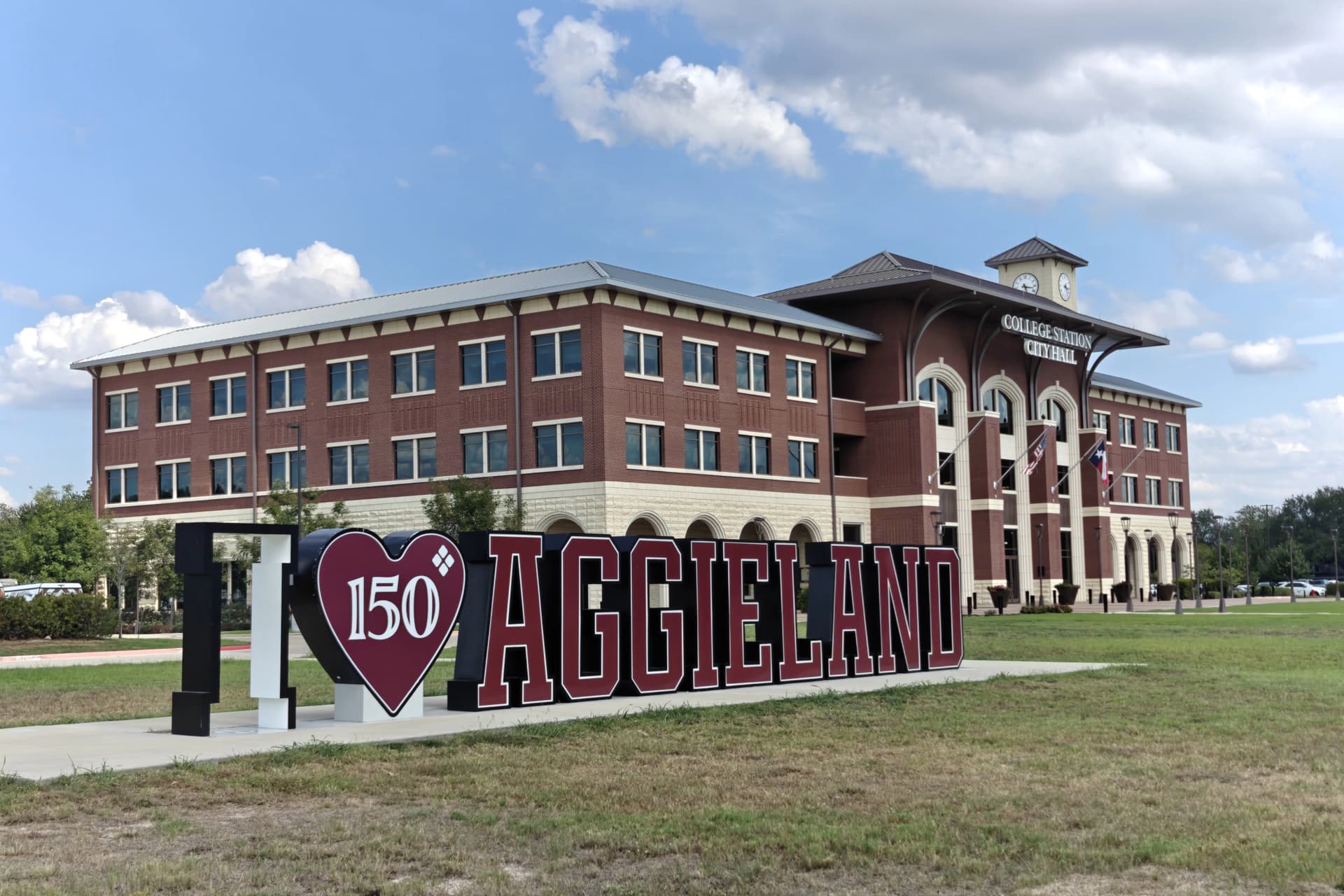
College Station City Council voted Sept. 24 to renew the city’s contracts with Flock Safety for another year.
What you need to know
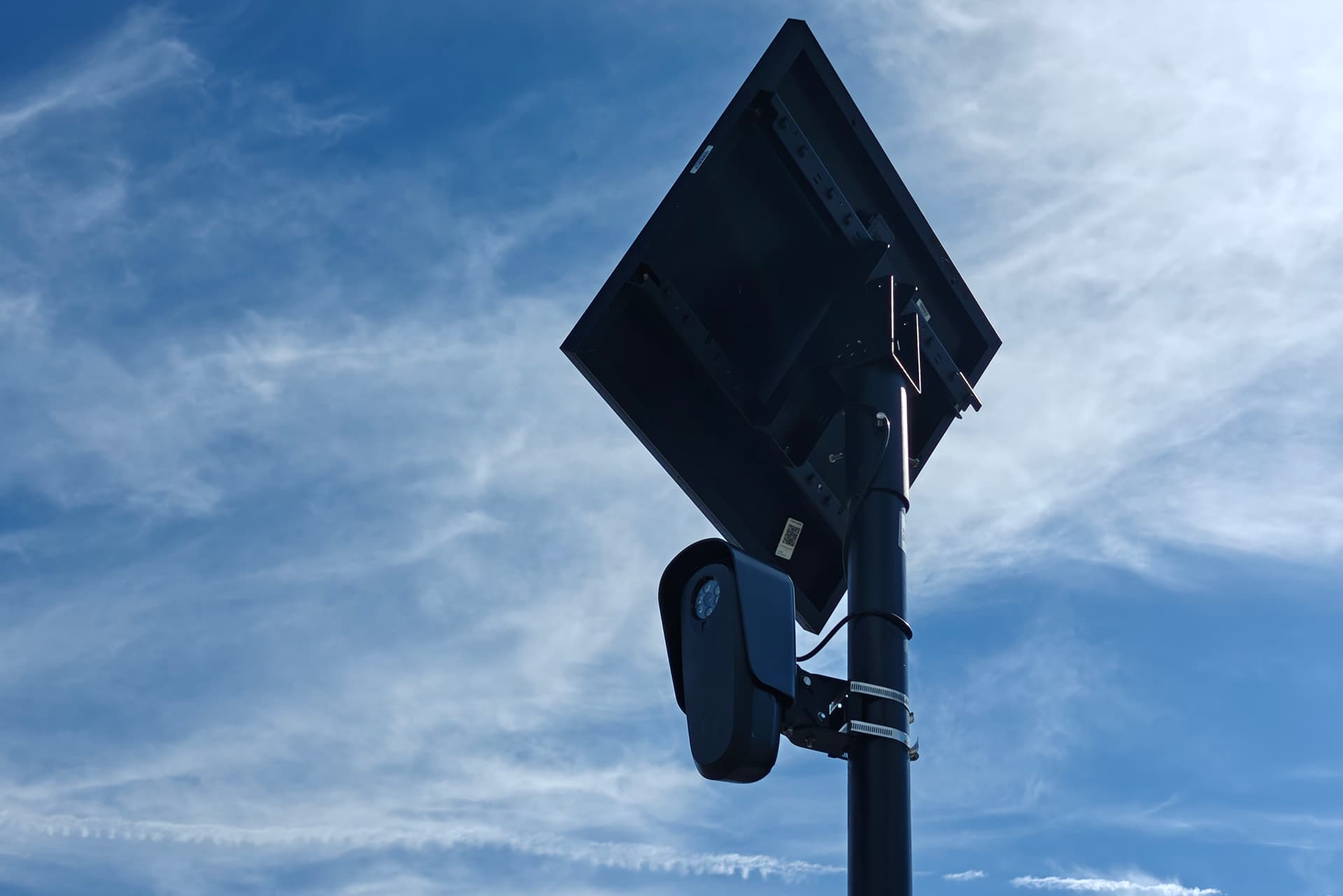
As previously reported by Community Impact, the use of Flock Safety automated license plate reader cameras has been debated at multiple council meetings. Residents brought up concerns in July about privacy and misuse of the technology.
According to agenda material, the contracts apply to Texas Department of Transportation and non-TxDOT roads. The contracts amount to $158,000 and $141,061.80 , respectively.
College Station Police Chief Billy Couch presented to the council on how the police department uses the cameras. He clarified the “sensational” nature of how the cameras are portrayed online, along with the goals of the police department, including:
Couch said the integrated network of cameras is often used more by departments outside of College Station and that all searches, regardless of location, are tracked. According to presentation slides, Flock uses an audit assistant to watch system activity and track searches that might indicate misuse.
“The reason you saw a spike in cases in the summer is because Flock Safety introduced the audit assistant feature,” Couch said. “It helps the system spot misuse without having to go through an audit log. All agencies are required to use the audit system.”
Couch said the city’s 84 cameras can only search within certain parameters and cases, with 95% of pings being actionable. The three primary “hotlist” alerts are:
Missing persons
Stolen vehicles
Wanted persons
Couch finished the presentation with a letter from the Texas Police Chiefs Association advocating for the use of the technology. Couch said the loss of the tool would hurt criminal investigations and help crime rise in College Station.
What the public is saying
Residents raised privacy and due-process concerns about the city's use of ALPR cameras, with some questioning the technology's expanded data-collection capabilities. Others defended the cameras as an important law-enforcement tool for solving crimes and finding missing people.
Ivan Svrcek, a Bryan resident, started his presentation with quotes from the United States Constitution and asked the council why ALPR cameras need to collect more data about residents of College Station. He said ALPRs are not narrow and can lead to police not needing warrants for information.
“ALPR doesn’t need warrants,” Svrcek said. “We can now embrace big data and warrants will now be irrelevant. We want to retain our rights and want to retain warrants.”
Kimberly Egeland, a College Station resident, spoke on behalf of many of her friends and said the misuse of Flock cameras has no place in the United States and poses safety risks.
“Americans have a right to safety, privacy and due process,” Egeland said. “ALPRs violate these rights.”
John Hamilton, founder of the DeFlock BCS organization, said the College Station Police Department told him officers aren't using people search, despite the new order from the city including the feature in the contract.
“If these searches are against our policies, why are we still allowing outside agencies to search for them?” Hamilton said. “Mass surveillance is not for us. We have a right to privacy and we have a right to not be lied to.”
Chuck Fleeger, executive director of the Amber Alert Network of the Brazos Valley, said the cameras have been a significant asset in helping find missing persons throughout the United States and getting rid of them would put more of the population at risk of never coming home.
“Opponents of this technology utilize scary terms against this technology,” Fleeger said. “There is a significant risk of this technology not being available to law enforcement. This technology saves lives.”
Conroe Police Chief Jon Buckholtz, a former resident of College Station, advocated the use of the cameras, given how similar crime rates in the two cities are.
“I’ve seen Flock solve some of the most heinous crimes in my life within four to five hours,” Buckholtz said. “College Station does a great job utilizing the cameras, but everyone here has a decision to make.”
What the council is saying
Council members weighed the concerns raised by residents against the technology's track record in College Station. While some questioned Flock Safety's data practices and future, others said the cameras' law-enforcement benefits should not be overlooked.
Mayor Pro Tem William Wright said the council has diligently researched the use of the technology and looked at the pros and cons. Council members Mark Smith and Bob Yancy both said they are skeptical of the future of Flock Safety as a company and what will happen in state and federal courts.
“We’ve used ALPR technology for years. The problem is not the technology, but the vendor’s open architecture and the company itself,” Yancy said. “It collects too much and it shares too much. CSPD has little authority over what happens to the data at a vendor level.”
Council member Melissa McIlhaney said the success of Flock cameras in College Station is too much to ignore, despite some of her deep concerns.
“This is evolving daily, but I find it reassuring that there are policies and procedures in place to help with this technology,” McIlhaney said. “It’s worth seeing what happens next year if we can save one child from abduction or abuse.”
Wright said the council has been open about the process of adopting the cameras for law enforcement use and there are much more invasive technologies residents use often.
“I do not think Flock prevents crime; it deters,” Wright said. “I think Flock is the perfect boogeyman for these technologies. I feel that we use more invasive technologies every day.”
The takeaway
The council voted 4-2 to extend the contracts with Flock Safety. The contracts are set to be renewed for the next fiscal year. Mayor John Nichols was absent from the meeting.
McIlhaney posted on Facebook after the vote and said it was one of the hardest decisions she has made while on the council. She also said she did not want to abandon the law or the community.
"Tonight’s vote was not a blank check, and it was not the end of this conversation," McIlhaney said. "I will continue asking hard questions, insisting on transparency and accountability, and weighing the benefits against the risks as both evolve."