Cities and counties across Central Texas have recently considered new and existing contracts with the security technology company Flock Safety, as debates surrounding public safety and mass surveillance heighten.
The overview
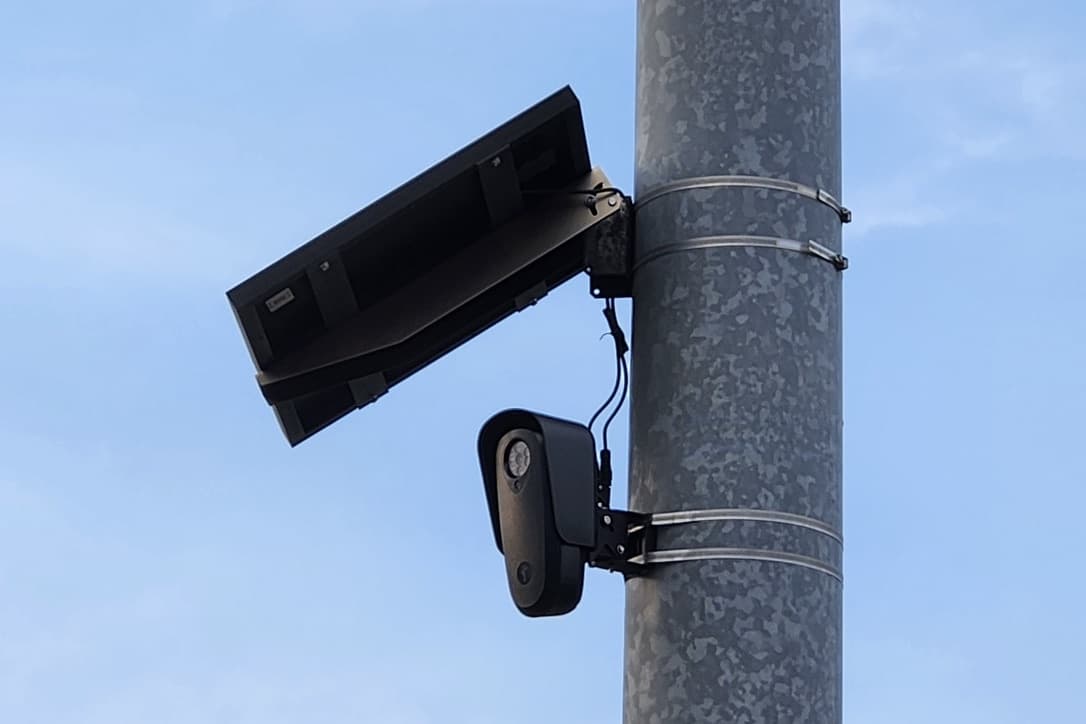
Flock Safety builds a variety of products utilized by law enforcement agencies, businesses, schools and communities, including Automated License Plate Readers, or ALPRs, video cameras and drones.
Gov. Greg Abbott froze the use of state funding for Flock cameras on Aug. 28. Any funding from state agencies cannot be used for Flock cameras, according to a statement from his spokesperson, Andrew Mahaleris.
“There is a crackdown across Texas,” Mahaleris said in a statement to Community Impact. “Almost all Flock cameras in Texas are used by cities, and those cities are increasingly canceling their contracts with Flock. To the extent that cities get any funding for those cameras, most of it comes from the federal government.”
Concerns from Central Texas residents include fears surrounding mass surveillance, collecting and sharing of data with outside agencies, such as U.S. Immigration and Customs Enforcement, or ICE, and misuse by law enforcement agencies.
“In Lufkin, a police officer was indicted on 100 felony charges for misuse of Flock information,” Mahaleris said. “Other criminal investigations are underway in other communities.”
In 2025, the CEO and founder of Flock Safety, Garrett Langley, released a statement emphasizing that the company does not sell data, allows customers to decide independently what is shared with other agencies and does not have any contracts with ICE.
ALPRs run every license plate they scan through a law enforcement database to see if vehicles are involved in any active cases, according to previous Community Impact reporting. The drones are used to observe and report information during active crimes, pursuits or emergencies.
According to DeFlock, a volunteer-powered tool documenting ALPR locations, the United States has over 145,000 ALPRs. Cameras shown on DeFlock are not confirmed to be active or regularly updated.
Cities and counties across Central Texas have responded in varying ways to the discussion surrounding the benefits and disadvantages of Flock equipment, including contract cancellations, suspending use of the technology and continuing partnerships with the company.
City of Austin
After halting the use of ALPRs several years prior, Austin leaders voted in 2023 to reboot a program that includes Flock cameras under a confined trial initiative. The move came after extended debate and was opposed by many residents due to concerns related to mass surveillance, data use and retention, and the potential for outside agencies like ICE to access Austinites' personal information.
An audit later revealed the renewed ALPR program, including both fixed and vehicle-mounted cameras, ended up scanning tens of millions of license plates and likely conflicted with several intended guardrails set by city officials. While the cameras also reportedly aided some law enforcement work by Austin Police, widespread community pushback led city leaders to shelve a proposed contract extension with Flock. City Council later enacted broad new policies to limit and track Austin's use of any surveillance technologies, including cameras.
City of Bastrop
On Sept. 8, the Bastrop City Council voted to terminate the city’s Flock contract and prohibited future agreements with companies offering similar vehicle-surveillance services or equipment, according to previous Community Impact reporting.
The vote came after residents voiced their desire to end the city’s use of the technology rather than switching service providers.
City of Bee Cave
In March 2022, the Bee Cave City Council approved the purchase of two ALPRs, costing approximately $2,800 per camera to install plus an annual maintenance fee, according to previous Community Impact reporting. The cameras are currently in use.
City of Buda
The Buda Police Department currently utilizes multiple Flock ALPRs across the city.
City of Cedar Park
A number of residents have spoken out against the city’s use of Flock during public comment periods at City Council meetings.
The city opened a 30-day public comment period on Oct. 21 to seek input on the city’s use of the technology, according to previous Community Impact reporting. The city owns 22 Flock cameras located at major intersections and along high-traffic routes that were installed in February 2023.
City of Georgetown
On March 10, the Georgetown City Council approved a contract with Flock to install 10 fixed ALPRs throughout the city, according to previous Community Impact reporting. The city has not commented on Flock usage criticisms from surrounding cities.
Hays County
Hays County terminated its contract with Flock on Oct. 14, ending the use of six ALPRs, according to previous Community Impact reporting. The Commissioners Court first approved the contract in 2022.
The Commissioners Court heard over 30 minutes of public comments, a majority of which were related to Flock. Some residents voiced support for the ALPRs and their law enforcement benefits while others raised concerns about community safety and the company’s practices.
City of Kyle
The city of Kyle operates 38 ALPRs, 12 live feed cameras and two drones. During fiscal year 2026-27 budget discussions, the City Council did not vote on a motion to cancel its three active Flock contracts, totaling $426,000 a year, according to previous Community Impact reporting.
On Oct. 5, the council voted to suspend the operation of its ALPRs until the community votes on a non-binding referendum in May to voice its views on the equipment, according to previous Community Impact reporting.
During this period, the cameras will not collect, capture, transmit or store license plate or vehicle data.
City of Lakeway
The Lakeway City Council approved the permanent installation of seven ALPRs on Dec. 16, 2024, after a Lakeway Police Department pilot program with the equipment, according to previous Community Impact reporting.
The ALPRs logged over 1 million license plates in their first month of operation, and police verified 55 license plate reads as associated with an incident the department was working to resolve.
City of Leander
Residents voiced concerns about Flock’s company practices, surveillance technology and the security of data captured by ALPRs.
On Sept. 3, the Leander City Council voted to discontinue funding contracts and pause the use of its 14 cameras, according to previous Community Impact reporting. The city began installing Flock cameras in the summer of 2025.
Leander resident Emma Young created an online petition calling for the removal of Flock cameras, which gathered more than 1,600 signatures.
City of Liberty Hill
On Sep. 9, the Liberty Hill City Council unanimously voted to terminate its Flock contract and immediately remove all city-owned ALPRs, according to previous Community Impact reporting.
The decision came after council members voiced concerns centered on the technology itself and the access departments outside the city may have to its data.
City of New Braunfels
Following the state funding freeze, Flock Safety gave all customers a 90-day grace period where the company would not collect payments, charge interest or charge fees.
The city’s Flock program cannot be sustained by currently allocated general funds past the grace period, according to a special meeting presentation given to the New Braunfels City Council on Sept. 30.
The New Braunfels Police Department will need a new purchase order approved by the council and state funding reinstated for the program to continue.
City of Rollingwood
The Rollingwood City Council discussed potentially implementing surveillance technology and authorizing a request for proposals for cameras and surveillance infrastructure at a June 17 City Council meeting, according to previous Community Impact reporting.
While the council has not taken official action, members emphasized the importance of strengthening privacy and security protections.
City of San Marcos
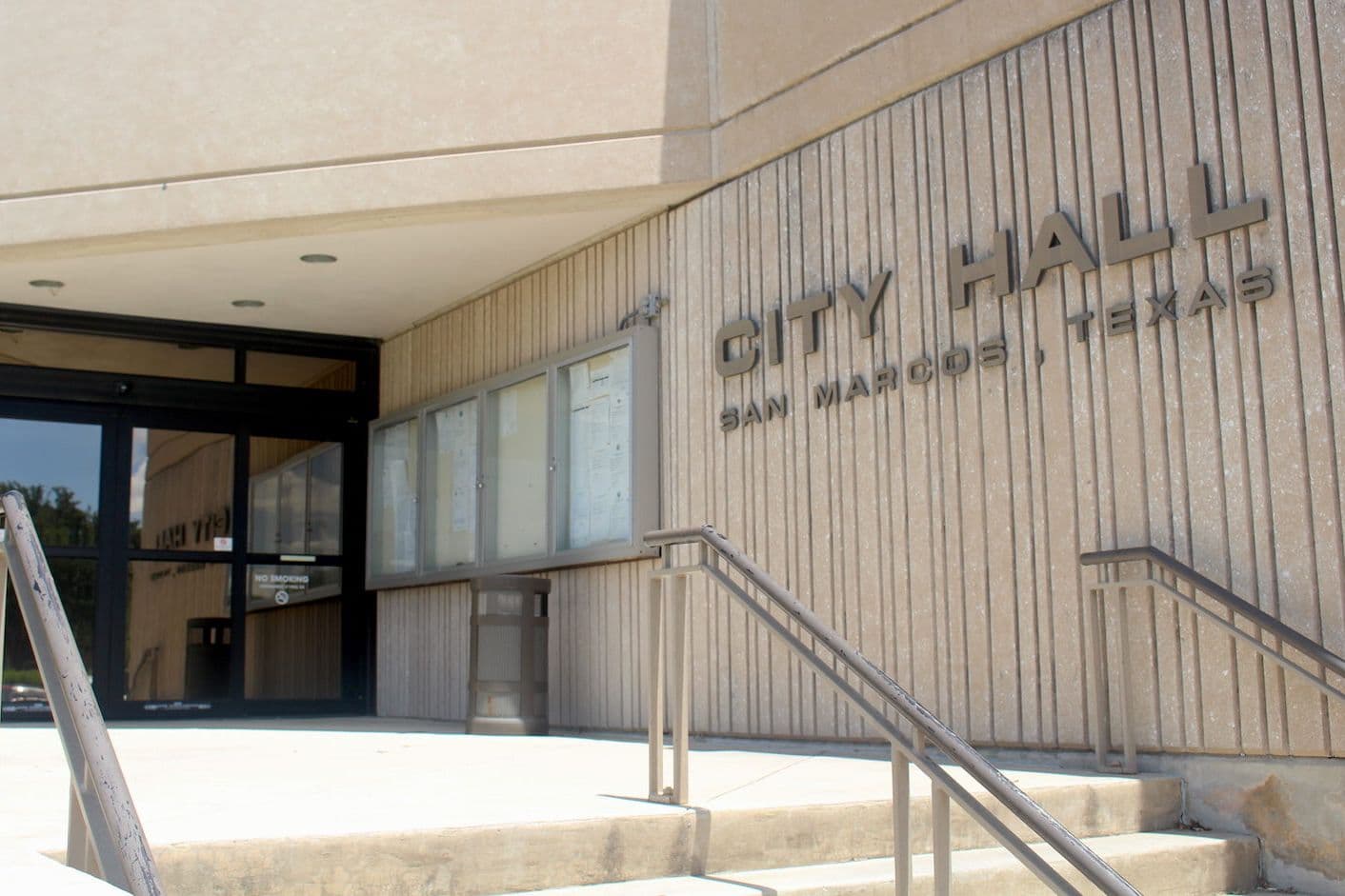
The San Marcos City Council voted to cancel its contract with Flock on Dec. 2, 2025. The contract, totaling $47,068.49, was approved on April 19, 2022, according to agenda documents.
“This issue, compared to some other things around policing, actually brought out more people than what I initially thought,” said Council Member Amanda Rodriguez.
City of Westlake Hills
The city announced the installation of nine Flock ALPRs and a two-year contract with the company, totaling $59,850, in a news release on Jan. 2, 2025, according to previous Community Impact reporting.
The cameras will be utilized to reduce property and violent crime and will not be used for minor traffic or parking violations, according to the release.