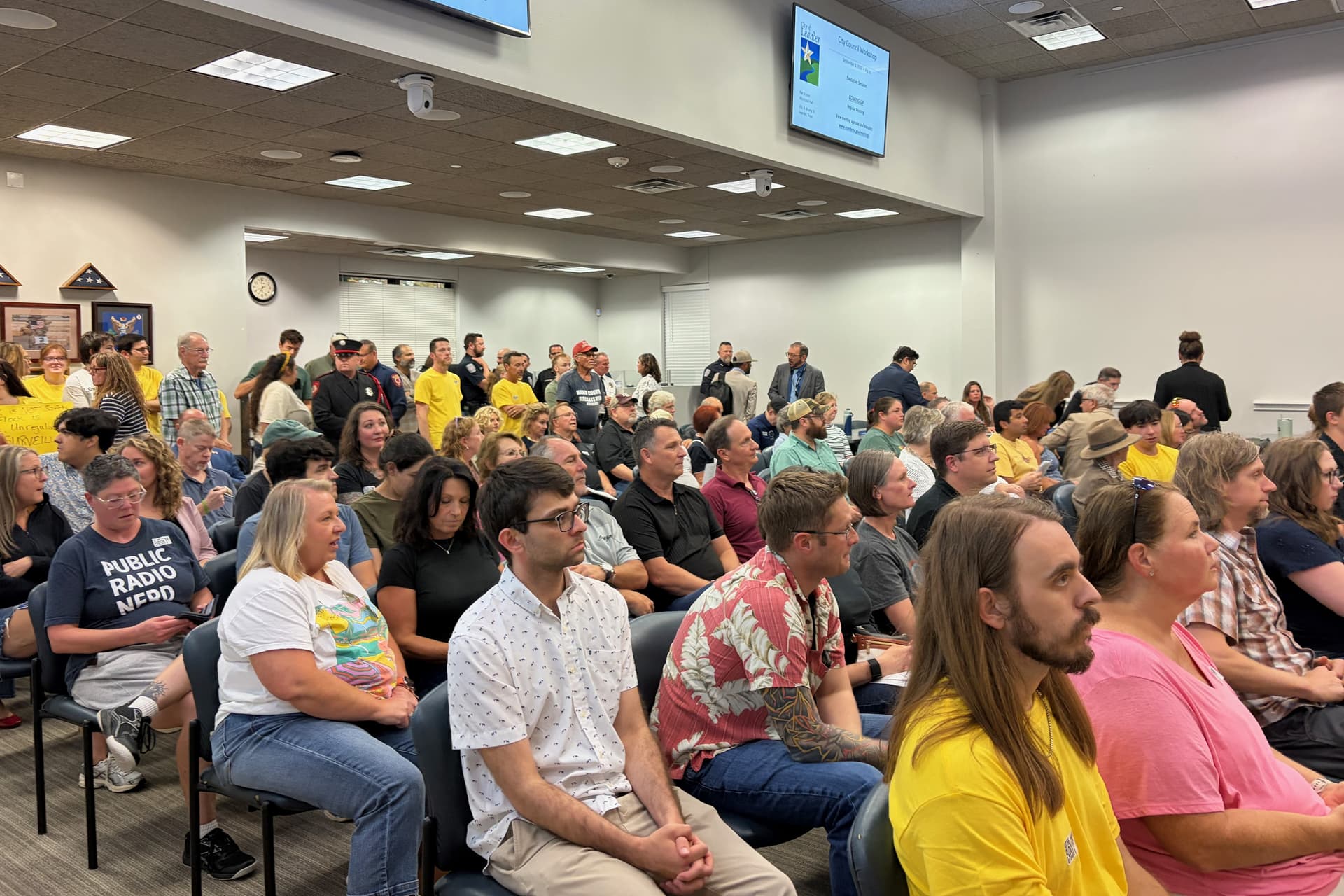
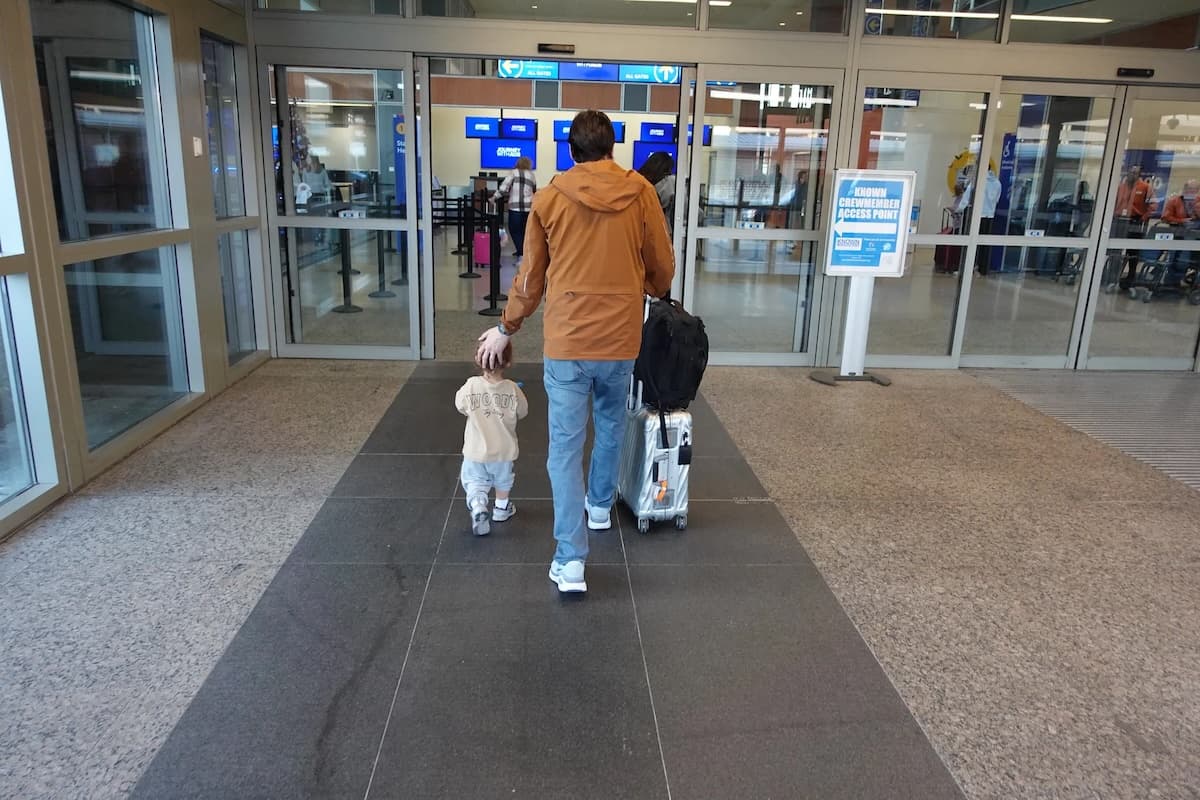
Opponents of the city's contract with Flock wore yellow to the Leander City Council Sept. 3 meeting. (Hamera Shabbir/Community Impact)
The city of Leander will “discontinue” funding its Flock contract after the City Council asked city staff to pause its use of Flock camera services during its Sept. 3 meeting.
During a public hearing that lasted over an hour, dozens of community members raised concerns about the privacy, usage and funding for the cameras, which automatically capture and upload photos of license plates. After hearing from the police chief and the public, city council instructed staff to suspend the police department's use of its 14 surveillance cameras.
“The city originally initiated an automated license plate recognition, [or ALPR], system in an effort to enhance public safety for our citizens and business community,” Ty Meighan, a representative from the city, said in a statement. “In response to community concerns, the City Council decided to discontinue Flock services. While we will no longer have Flock as a resource, our vigilance and commitment to public safety remains unwavering.”
About the program
Since starting to install Flock cameras in the summer of 2025, the technology has helped solve crimes such as shootings and robberies, according to information from the Leander Police Department.
Police Chief Greg Minton said the department has guardrails in place to protect the data the cameras capture and ensure that staff use the information appropriately, according to his presentation before the public hearing Sept. 3.
Policies include quarterly audits of searches, limiting the use of cameras to trained staff with unique credentials and controlling how information is accessed and stored. Additionally, data from Leander’s Flock cameras is stored for 30 days before being deleted, according to LPD.
“The purpose is to support legitimate law enforcement work,” Minton said during the presentation. “Not to monitor individuals for personal reasons.”
On the other side
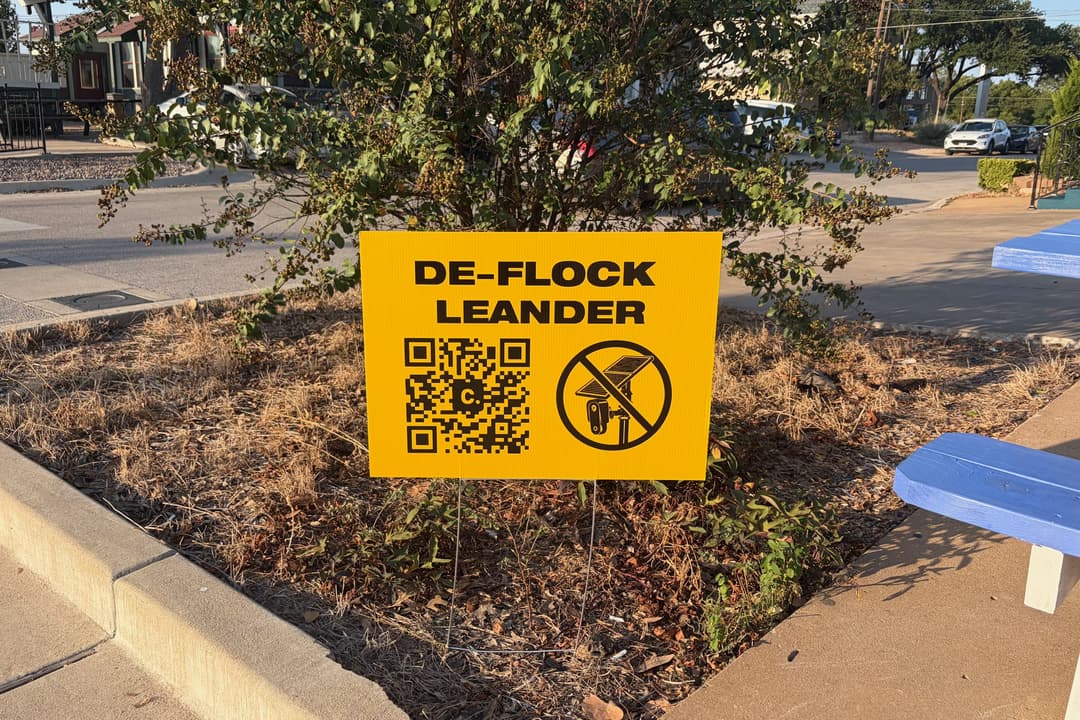
Residents raised concerns about the security of Flock as a technology, saying the technology infringes on constitutional rights to privacy. Speakers also cited instances where other police departments have misused the technology and noted the data has the potential to be accessed by a variety of actors.
An online petition calling for the removal of Flock cameras created by Leander resident Emma Young gathered over 1,600 signatures. Of the more than four dozen community members who spoke or submitted comments Sept. 3, nearly all expressed concerns about the technology.
“You can support our police department and still believe that citizens have legitimate privacy interests,” Leander resident Sarah Ambrose said. “You can recognize the value of a technology while still asking whether sufficient rules exist.”
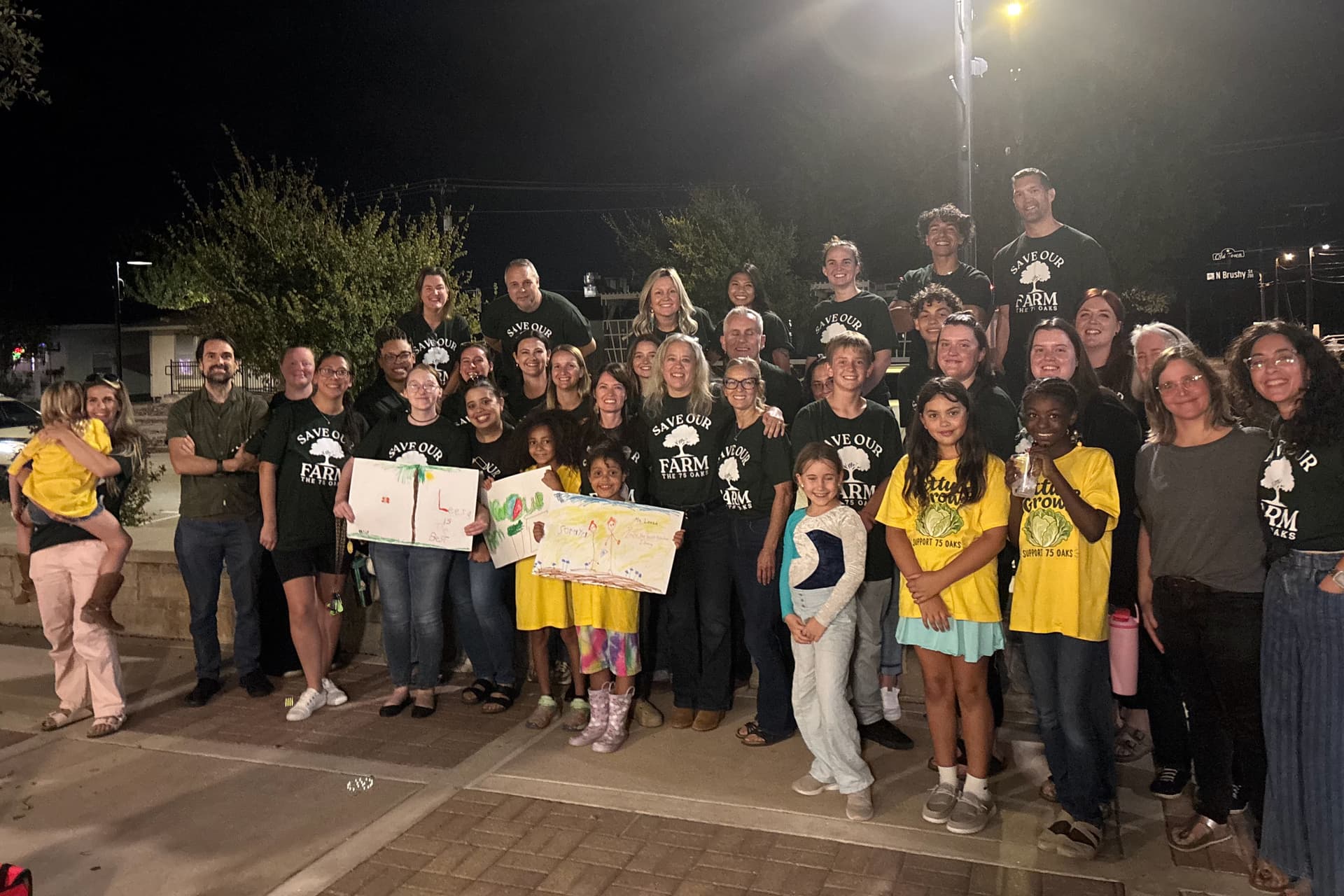
Dozens of residents met before the city council's regular meeting to discuss their concerns regarding Flock. (Hamera Shabbir/Community Impact)
After the hearing ran past 1 a.m., the city council ultimately asked city staff to suspend use of the Flock technology.
The police department “is no longer using Flock cameras or Flock data,” Meighan said. He added that the city will “discontinue” funding its Flock contract.
The context
The discussion on Flock cameras follows a larger national trend, with several neighboring cities across Central Texas having taken steps to better understand the technology and its reception.
After the LPD was awarded the grant in September 2024, the city executed a license agreement with Flock to place 15 ALPR cameras in May 2025 and 14 cameras were installed later that summer.
Two council members—Stephen Chang and Andrew Naudin—met with Flock representatives in October 2025 to discuss the technology.
“Within a very short term of me being elected to this position, I had concerns on this from the start,” Naudin said Sept. 3.