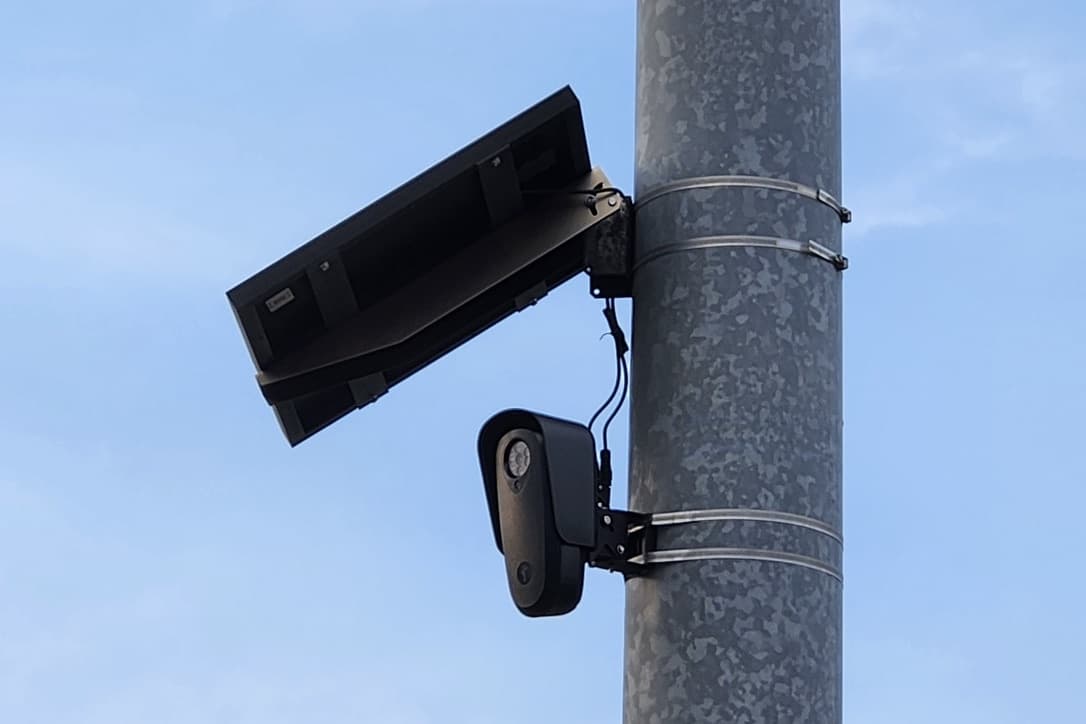
The city of Cedar Park opened a 30-day public comment period Oct. 21 seeking input on the city’s use of Flock Safety automated license plate reader, or ALPR, cameras.
What’s new
Members of the public can share their feedback with city officials regarding the local use of Flock cameras through a form on the city’s website.
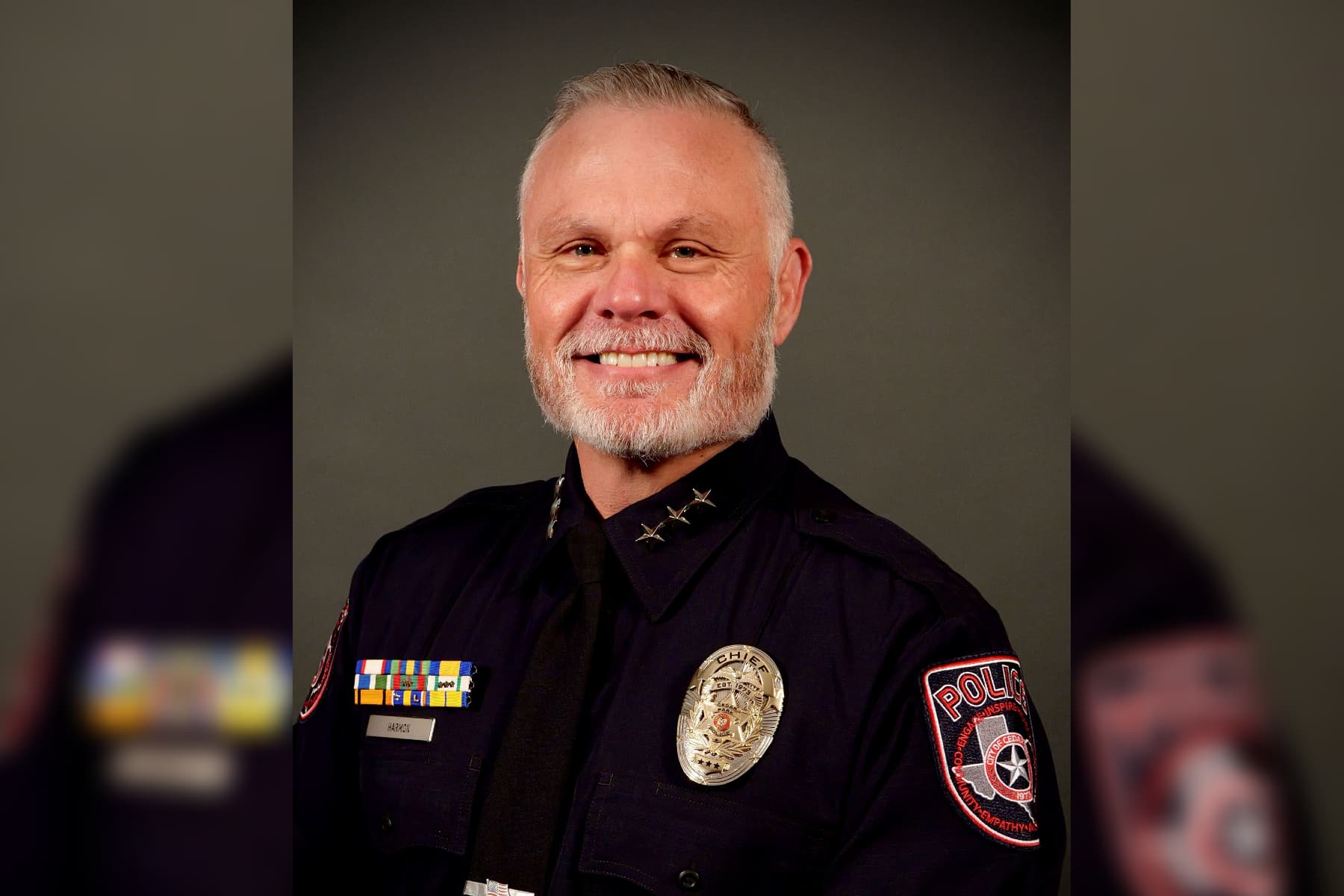
The page hosting the public comment form on the city’s website also includes answers to several frequently asked questions regarding the cameras and a video of a presentation by Cedar Park Chief of Police Mike Harmon on the city’s use of the cameras.
The city’s website states that public comments received through the form “will be reviewed and considered as part of the city's ongoing evaluation and discussions regarding Flock ALPR technology.”
Mayor Jim Penniman-Morin said the 30-day public comment period is important “to maximize the opportunity for the residents of Cedar Park to provide input.”
A closer look
The public comment form was launched following an Oct. 13 specially called meeting at which various community members spoke to city leaders and Harmon gave a presentation on the city’s use of Flock cameras.
The city owns 22 Flock cameras located at major intersections and along high-traffic routes in and out of the city, Harmon said, noting that they were installed in February 2023.
Flock cameras take photographs of all vehicles passing by. The company uses artificial intelligence to interpret the photos, tagging them with data such as license plate numbers, vehicle color, make and model, and other identifying characteristics, Flock Safety representative Ian Leslie said at an Aug. 26 Liberty Hill City Council meeting.
Twenty people spoke during the public comment portion of the Cedar Park meeting, with 18 saying they oppose the city’s use of Flock cameras, citing concerns about privacy rights, data security and potential abuse of the system.
Several speakers cited cases of misuse of Flock’s database across the state and country, as well as reports of security flaws in Flock’s hardware and software. Many also said they believe the use of Flock cameras violates the Fourth Amendment, which protects people from unreasonable searches and seizures.
“Our freedom, our rights as citizens in this country are being stripped away very, very quickly,” Cedar Park resident Wayne LaChappelle said.
Two people who spoke in favor of the cameras highlighted their use as a crime-fighting tool and as a tool to help find missing people. Harmon said the technology has been used to solve important cases in the city, including a murder that occurred in 2023. He also defended the department’s policies governing the use of the technology, saying it has effective safeguards in place to prevent abuse.
“The Cedar Park Police Department probably has one of the most robust auditing systems for this system because we know how valuable that tool is, not only to us, but to the community as well—keeping everybody in this community safe,” Harmon said.
Some context
Flock cameras have been controversial across Central Texas, with several area cities ending their partnerships with the company after residents and local officials voiced concerns.
Austin leaders adopted stricter oversight of surveillance technology in May and ended the city’s contract with Flock in June after public pushback.
Pflugerville City Council voted Aug. 25 to end its contract with Flock after the city and police department said in a joint statement that a problem with Flock’s operating system had allowed non-partner law enforcement agencies to access the city’s Flock data without permission. Pflugerville ISD suspended its use of Flock cameras Aug. 26.
Leander City Council members voted to cut ties with Flock in September, and Liberty Hill leaders followed suit a week later.
What’s next
The 30-day public comment period runs through Friday, Nov. 20.
City council members said they are eager to hear more from the public. Several expressed mixed feelings about Flock cameras at the Oct. 21 meeting.
“I don't want people to feel unsafe. I don't want people to feel like they can't have privacy and go about their everyday lives,” council member Anne Duffy said. “But at the same time, I don't want our officers to not have the tools they need to solve crimes.”