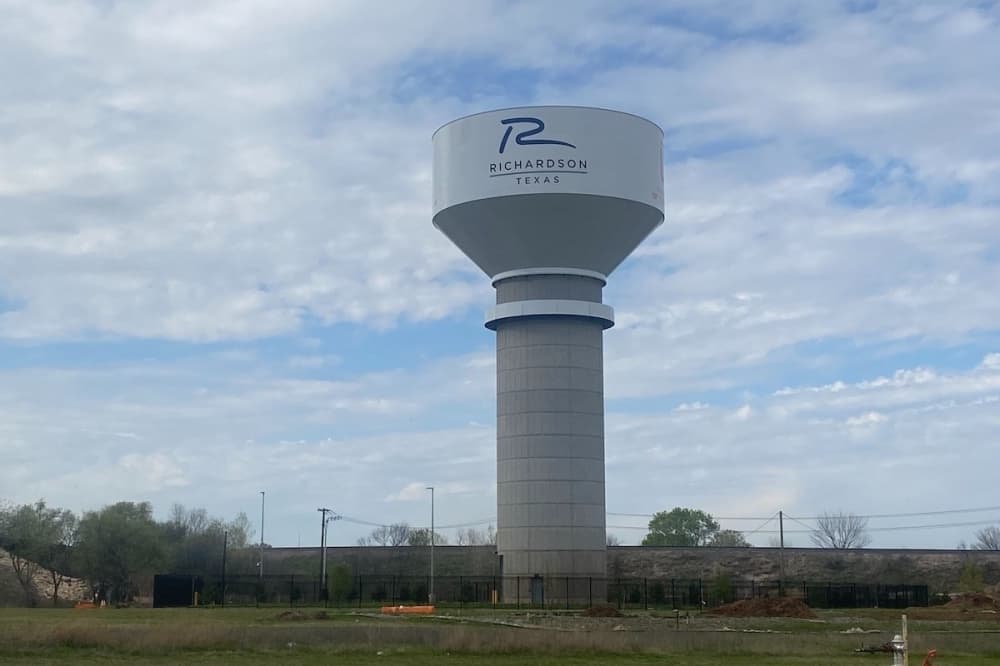
Richardson City Council directed city officials to move forward with a new water and wastewater rate plan that will increase rates for all users and restructure base fees to pass more charges to commercial users.
The new rate structure will be further developed by city staff this summer during budget development for fiscal year 2026-27 before council officially approves the changes. Residents would see the new rate plan reflected in their November water bill.
City officials said the new rate plan reflects rising water costs from the North Texas Municipal Water District, increasing utility operating costs and the cost of needed infrastructure work across the city.
“Nobody sitting on this dais is in favor of raising rates, but I think we recognize that it’s necessary to do so here,” council member Jennifer Justice said.
The big picture
The North Texas Municipal Water District, which the city buys its water from, has consistently raised its rates, while inflation continues to drive up utility operating and infrastructure costs.
“Water is a business,” said consultant Dan Jackson, vice president at Willdan Financial Services, at the June 8 council meeting. “And like any other business, when costs go up, you’ve got no choice but to pass those costs over to your ultimate rate payer.”
Richardson’s existing water infrastructure also requires an estimated $83.89 million of investment over the next five years to replace and modernize the system, which City Manager Don Magner said will require rate increases to accomplish. He said 80% of Richardson’s water and wastewater infrastructure is at least 40 years old.
“With this fund, we’re going to be taking care of lots of problems,” council member Arefin Shamsul said. “Our system would be much better, infrastructure would be improved.”
Council considered several options to increase Richardson’s water and sewer rates at the June 8 meeting, but both staff and council members expressed preference for a meter equivalency plan, which would adjust both the monthly base charge and volume rate while pushing more cost increases on commercial users than residential users.
Under the proposed plan, the average residential user would see between a 7.9% and 9% increase on their water bill each year for the next five years.
The details
The city currently charges an $8 monthly base charge for all users as well as a volume rate that is calculated per 1,000 gallons of water used.
Richardson’s $8 base charge is the lowest in the Dallas-Fort Worth area, with most cities charging between $20 and $30 a month in addition to the volume rate calculated per gallons of water used.
The new rate structure would gradually increase the monthly base charge over five years and would also institute proportionally higher base charges for larger water meters. This means that large manufacturing facilities and commercial users, who generally use more water and larger meters, will pay a higher base price than the average resident.
Council members agreed to include a senior discount in the plan as well, which would maintain the current $8 base charge for senior residents. The flat senior rate will apply to residents who are 65 and over and have a three-quarter or 1-inch meter, which are the typical residential meter sizes.
“Making sure that we’re taking care of seniors as best as we can and making sure that they’re not impacted is the right way to go here,” Justice said.
Breaking it down
The new plan would set up different base fees for the nine different meter sizes offered in Richardson, with the largest meters seeing the biggest fee increases.
Over a five-year period, Richardson would gradually increase the base charge for the three-quarter-inch meter, which most residents use, from $8 to $20. Budget Officer Bob Clymire said this puts Richardson more in line with other cities’ charges, while still remaining “substantially below” many utilities in the region.
The city will increase the base charge for larger meters at a much higher rate. By 2030, the base charge for a 10-inch meter, the largest offered in Richardson, will have increased from $8 to $1,533.40 a month.
What’s next
Council will still have to officially approve the rate changes after budget development for FY 2026-27.