Richardson ISD continues to expand its technology systems that support its school bus fleet and other vehicles, while also increasing safety initiatives and professional development for drivers and staff members.
The overview
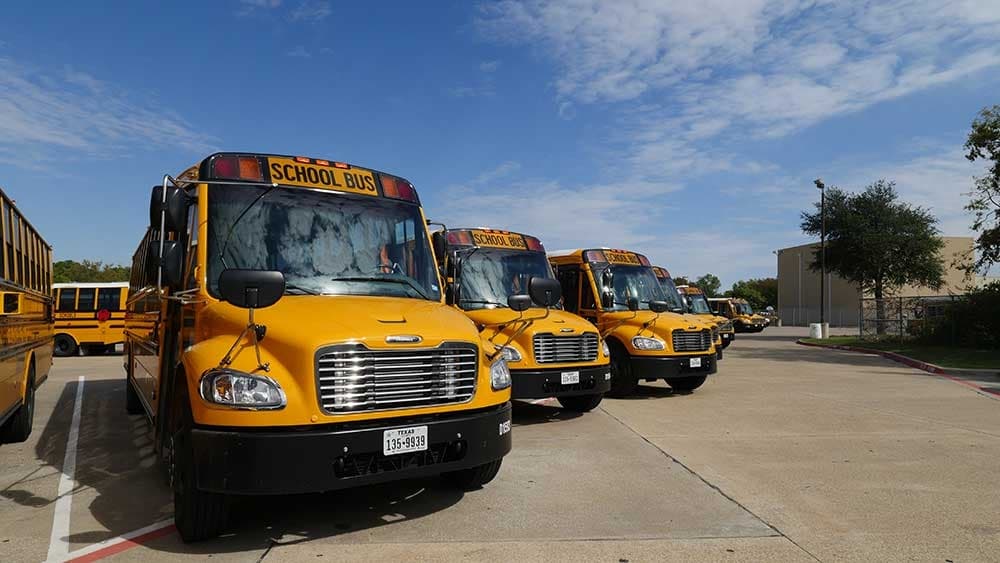
Mike Jasso, assistant superintendent of district operations, said RISD runs one of the largest transportation operations in the area, transporting between 5,000 and 6,000 students daily.
RISD’s fleet of 189 school buses covers 1.1 million miles every year, said Thomas Gipson, executive director of transportation. In addition to the yellow school buses, the district’s fleet includes 85 trucks, 48 vans and 25 SUVs that are used for operations, maintenance and alternative student transportation.
Richardson ISD uses several technology systems to support their transportation fleet, including Samsara AI technology and a new app that parents can use to track their student’s bus.
Safety on the buses is a priority for the district, Jasso said, as well as aligning disciplinary measures between the transportation departments and campuses.
“We consider ourselves an extension of the classroom,” Jasso said.
The details
Richardson ISD recently introduced the Stopfinder app to district families, which parents can use to track their student’s bus and receive notifications from the district’s transportation department. Families can use the app to set up alerts to know when their student’s bus is approaching their stop or when a bus is delayed.
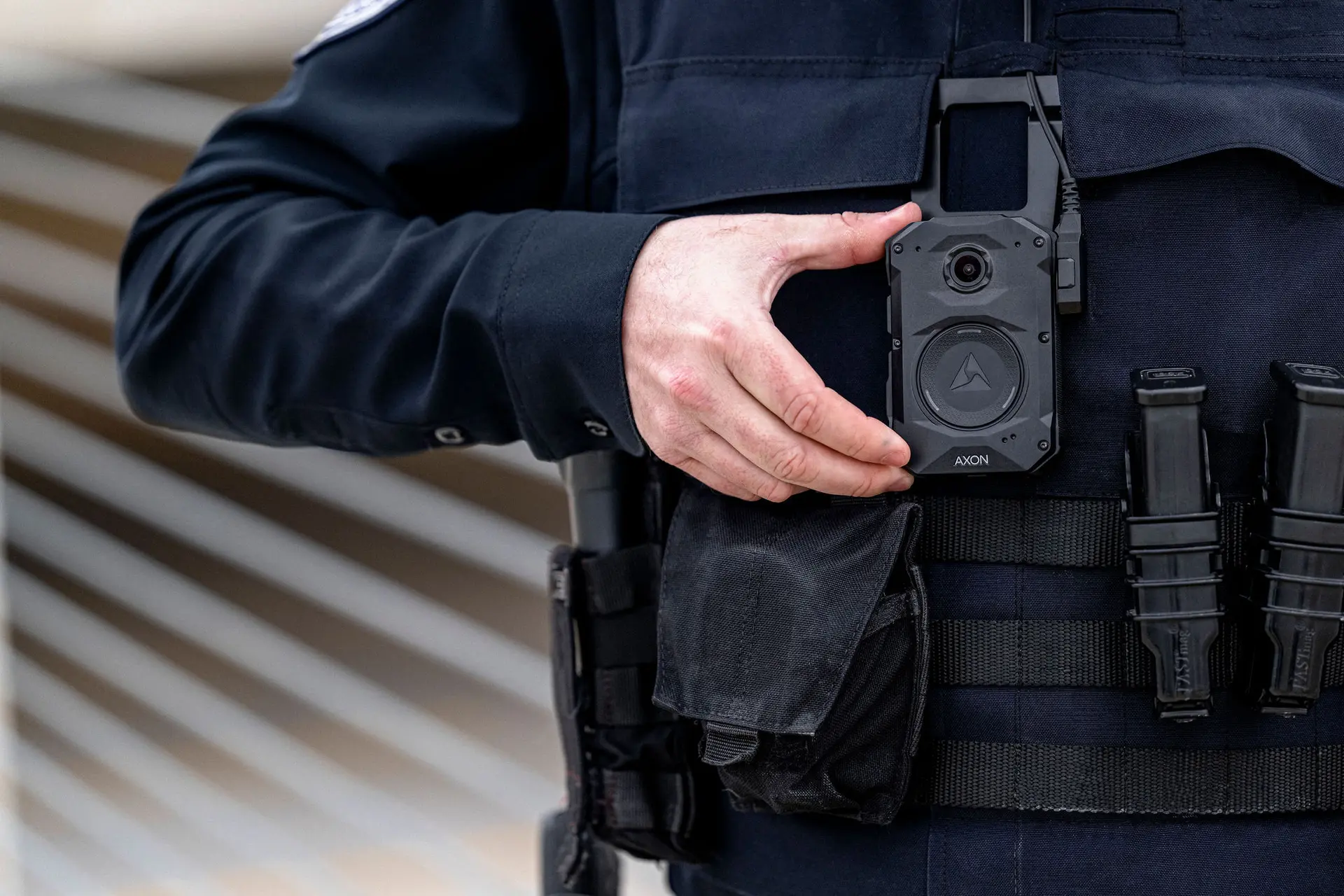
RISD uses Samsara AI technology, a cloud-based fleet management platform, to monitor fleet vehicles and support safety efforts. The technology setup includes real-time GPS, AI dashcams and vehicle diagnostics that can tell district officials where a bus is, how many miles it has driven and who rode on it.
“You hear AI is good in some ways and bad in some ways,” Gipson said. “With the bus system, it’s a good thing because we can protect the kids, we can protect the drivers.”
Gipson said while the district does not actively monitor the camera feed, they can access them when needed to address safety or conduct violations. The Samsara system also monitors driver safety, tracking things like taking their eyes off the road or coming to a rolling stop.
Each bus has six cameras on it, with RISD operating a total of 1,134 integrated AI and HD cameras.
Gipson said the technology improves operational efficiency and helps to reduce fuel and maintenance costs by keeping district officials up to date on vehicle needs.
Last year, RISD also introduced a student ID badging system, requiring students to scan a customized ID when they board and exit the bus, which Jasso said helps the district know when students are on the bus.
A closer look
The Samsara system supports a new joint initiative between RISD’s transportation and risk management departments, Jasso said, which uses the data to recognize drivers who consistently demonstrate safe driving behaviors.
“We want to not only spend time on our staff [to say], ‘Hey, don’t roll that stop sign’ [or] ‘Don’t look down at your phone,’ but we also want to recognize the folks that do a great job daily,” Jasso said.
Jasso said the transportation department also ramped up staff training and professional development for drivers and other transportation staff members last year, especially related to student safety. The district saw a “double-digit” decrease in preventable accidents last year.
Staff retention has also been a priority for RISD, and since improving recognition and professional development efforts, the district has seen reduced turnover, Jasso said.
Diving in deeper
State funding for transportation has remained fairly constant, while RISD has seen its cost increase over the last several years. The majority of the transportation budget goes toward payroll, which has increased due to growing ridership in the district.
There is a “significant gap” between the funding RISD receives from the state and the transportation needs in the district, Branum said. Transportation funding could be a legislative priority for RISD to advocate for during the upcoming 2027 Texas Legislature session.
“We know advocating for increased funding for public [education] is going to be one of those line items, but specifically these underfunded areas in transportation would be high on that list,” Branum said.
Looking ahead
RISD’s 2025 bond will fund transportation updates for all four of the district’s band programs. Most peer districts use big rigs to transport band equipment, but RISD currently rents vans for that, Branum said.
Branum said the new band vehicles will save money in the long run and will be an investment in a “more permanent solution that would be part of our infrastructure.” She said she expects the new vehicles to come in 2028, after the district completes the middle school transformation, also funded by the 2025 bond.