Richardson ISD parents Emily Winn and Juanita Armstrong watched fencing go up and construction roll in around Apollo Junior High at the end of May.
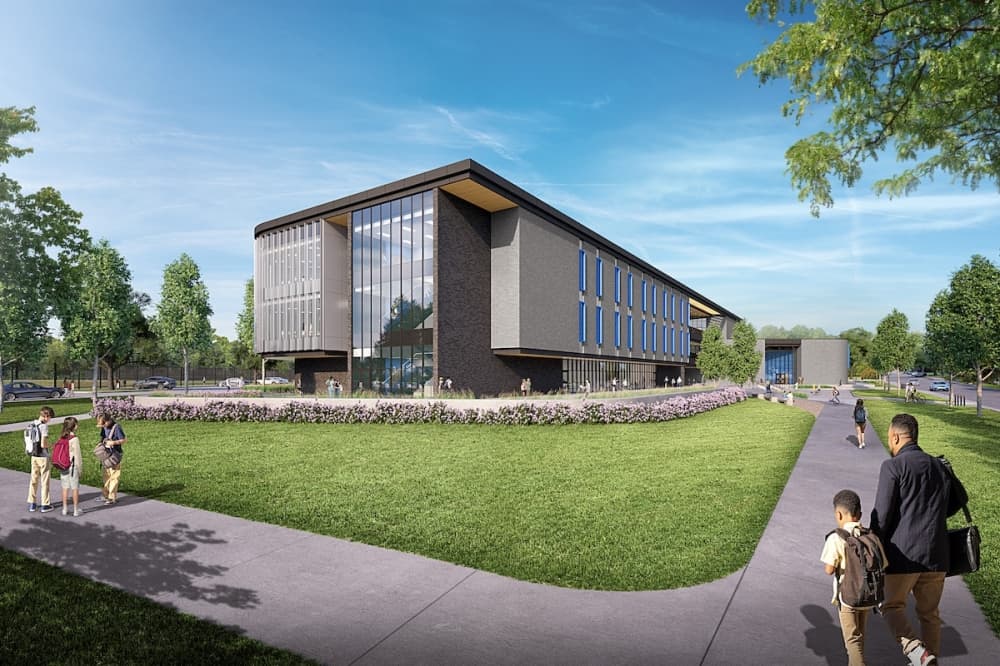
When the campus opens as a middle school in fall 2028, adding over 150 sixth-grade students, their houses will look on the school’s new entrance.
The two-year construction will complete RISD’s middle school transition, turning the district’s six remaining junior highs into middle schools for sixth through eighth grade.
“It’s about time,” said Winn, whose daughter will be in Apollo’s first sixth-grade class. “We went to see Lake Highlands Middle School, and it is shiny and new and beautiful and gorgeous, and I want that in our neighborhood too.”
Like Apollo, Richardson North Junior High is set to receive renovations and additions, while Liberty, Parkhill, Westwood and Richardson West junior highs will have brand-new campuses built next to the existing schools.
The big picture
Richardson ISD’s middle school transformation is a project “seven years in the making,” Superintendent Tabitha Branum said.
The district formed a grade configuration committee in 2019 that recommended to RISD trustees that the district shift sixth grade from elementary to middle school. That’s how the vast majority of Texas school districts operate, Branum said.
“Every data point indicated ... this was a transformation we needed,” Branum said.
The transformation began with Lake Highlands and Forest Meadow middle schools, which welcomed sixth graders in fall 2024. In order to make district operations more efficient and save on construction costs, RISD officials made plans to upgrade all six remaining junior highs on the same two-year schedule.
“[We’re] really trying to level that playing field so that all kids benefit,” RISD Assistant Superintendent of Operations Mike Jasso said.
The average age of RISD buildings is over 58 years old, Branum said. In addition to expanding capacity, she said the transformations are an opportunity to modernize the learning spaces.
What’s new
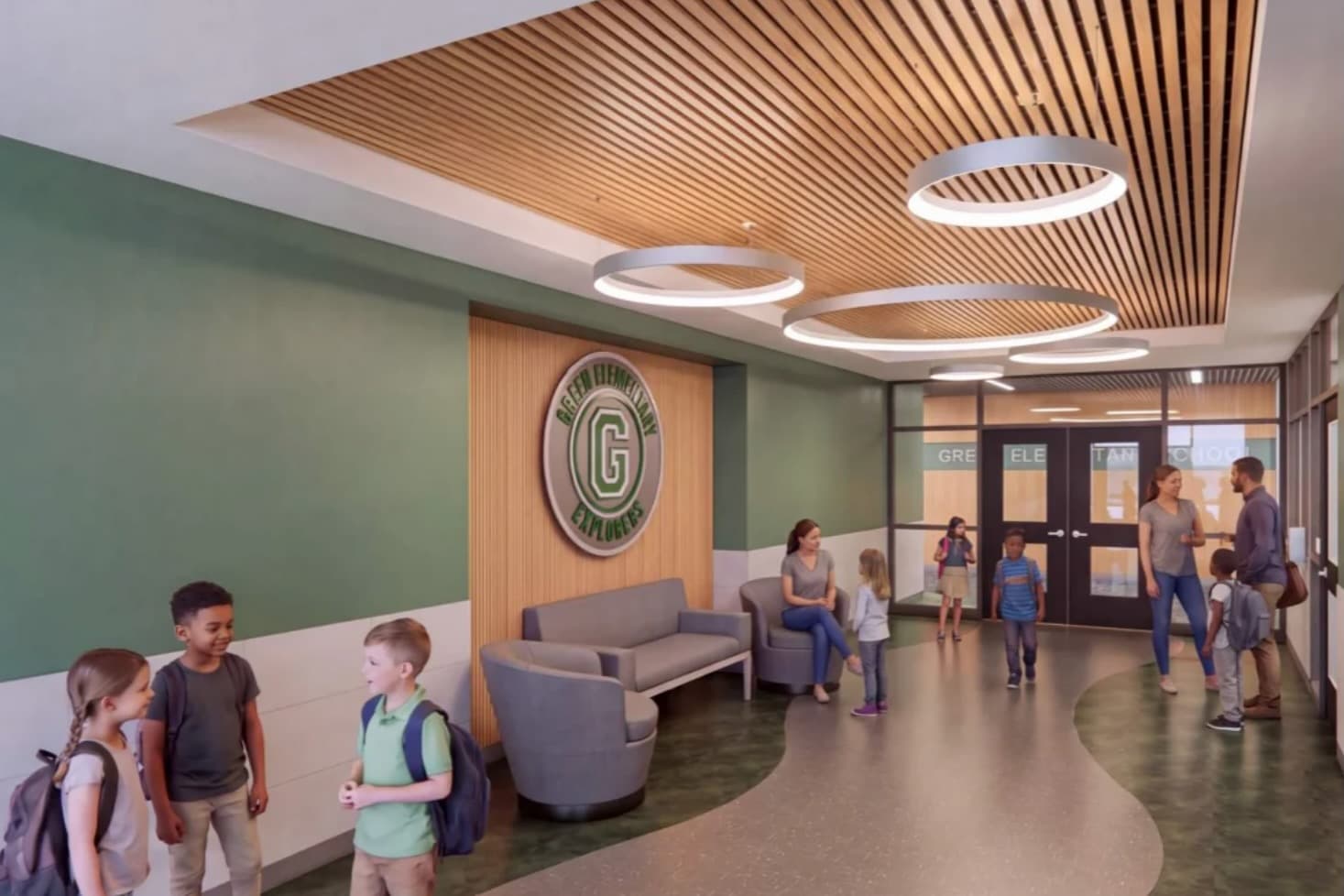
At a middle school, sixth graders will have access to a wider range of career and technical education opportunities and pre-UIL athletics rather than elementary physical education and a larger selection of fine arts, with the right classrooms and facilities to support them, Jasso said.
RISD has also seen more sixth graders seeking opportunities for accelerated courses in math and other areas, Branum said, which are not available at the elementary level.
West and Westwood will also include expanded magnet programming—specialized programs, themes and courses centered around interest-based pathways that RISD offers at specific schools. The middle school expansion will add spaces for culinary arts, robotics, health science and criminal justice. The new West and Westwood campuses will be built around these specialized offerings that Branum said will be “in the heart of the building.”
The approach
RISD worked to maintain the spirit of each individual campus, Jasso said.
The design process included project planning committees with staff, parents and community members. Armstrong, who will have two kids at Apollo during construction, served on its committee.
She said community input was key for the new campus to reflect its current student body’s needs as well as future needs. For example, Apollo will add a theater so that events are no longer hosted in the gym.
“Little things like that were important to cultivate and change how [students’] education looked,” Armstrong said.
By the numbers
Voters approved RISD’s $1.4 billion bond in November 2025, and close to half will fund the six middle school transformations.
“This bond passed by healthy margins,” Jasso said. “We take great pride in that because we see that as a validation of the work that we’re doing.”
Bond funds are separate from the district’s operating budget. Bonds are taxed through an interest and sinking tax rate, which must be spent on capital investments and long-term physical projects.
“This is what we voted for,” Armstrong said. “We voted for better schools because we didn’t want to be left behind Garland and Frisco and all these other schools that already have all these other amenities.”
The board of trustees approved guaranteed maximum prices for five of the six projects in May, with the total coming in under budget for the entire project. Apollo is the only school slightly over budget due to additional compliance measures and portable classroom costs.
What’s being done
All six campuses will remain operational during construction. At the four schools receiving new campuses, classes will continue largely as normal, though athletic activities will be relocated. At Apollo and North, students will use portable classrooms for part of the next two school years.
Officials said all projects prioritize natural light in classrooms, enhanced security and outdoor learning. Transformations also include a new vehicle circulation plan with signage and relocated entrances aiming to minimize traffic, said James Watson, senior executive director of operations.
While some of Winn and Armstrong’s neighbors moved due to traffic concerns with the relocated Apollo entrance, their kids held a lemonade stand for the construction workers in June.
“It’s all going to be worth it for the end result, which is going to last for decades,” Winn said.
Looking ahead
Winn said she hopes the new middle schools will help keep more families in RISD as her daughter moves through school.
“Community is really important to me, having our neighbors in the same schools,” Winn said.
Branum said enrollment has increased at Forest Meadow and Lake Highlands middle schools. Moving sixth graders to middle schools will also free up classroom space in the elementary schools, allowing the district to offer additional pre-K sections down the road, Branum said.
“It’s not about the district,” Armstrong said. “It is about [the students] and how they’re going to thrive and be successful.”