Richardson ISD officials reviewed the district’s proposed priorities for the 90th Texas Legislative session, which will include advocating for guidelines around technology use and reducing funding gaps and regulatory expenditures.
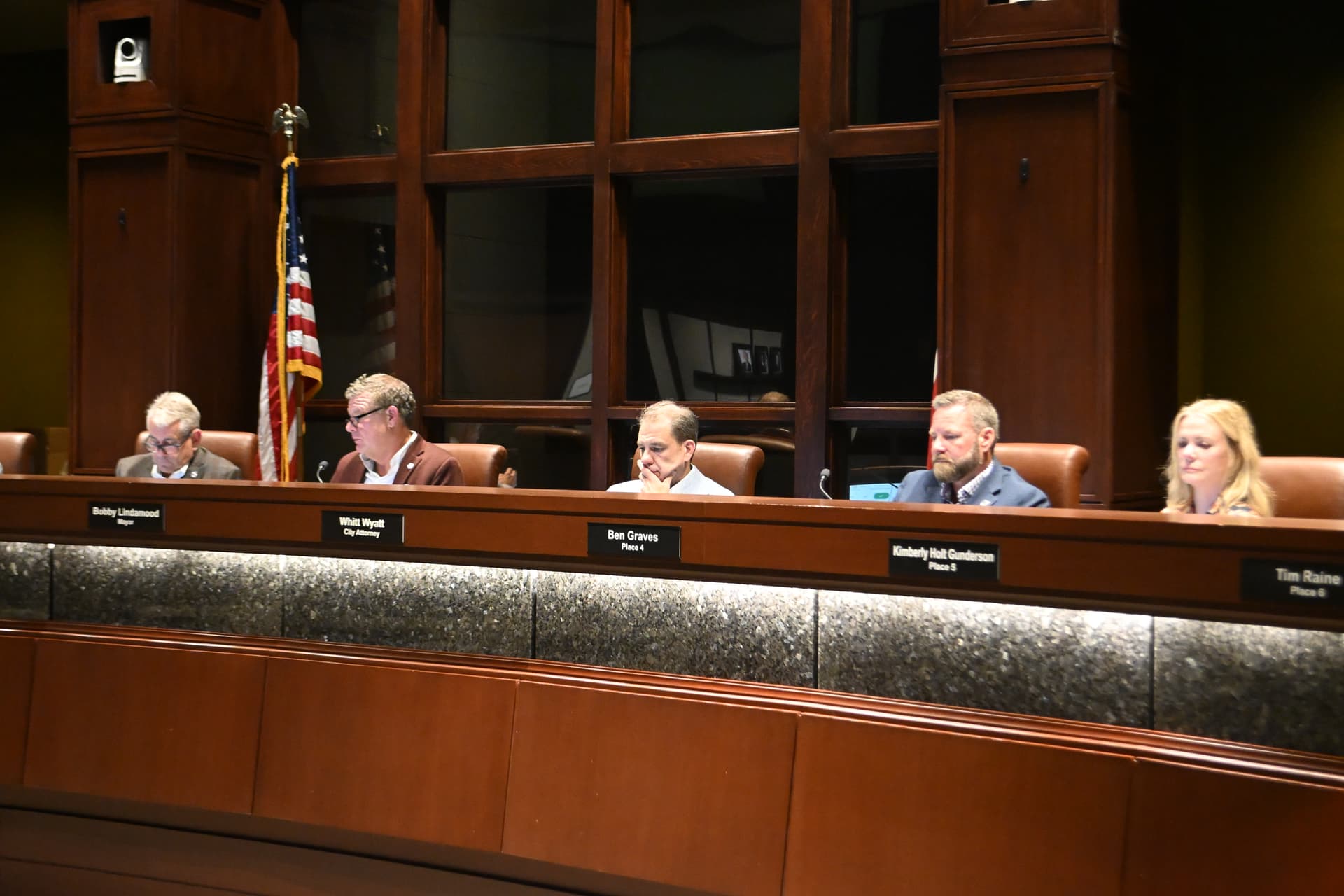
Superintendent Tabitha Branum said the district worked with stakeholders and community members to identify “focused” priorities. The school board reviewed the priorities at the Sept. 17 meeting and will officially adopt them Oct. 15.
The overview
Richardson has hosted two legislative roundtables so far to incorporate community perspectives in legislative advocacy, said Melissa Heller, assistant superintendent of strategy and engagement.
“The goal is to have a shared voice for these priorities,” Heller said.
Danny Stockton, executive director and founder of North Texas Education Coalition, a nonprofit focused on education policy, presented the district’s three primary policy goals:
Promote responsible use of technology in schools
Reduce critical funding gaps
Reduce unnecessary regulatory burdens
The details
Stockton said legislators have indicated that technology restrictions will be a focus in the upcoming session, including potentially establishing a framework for screen time. RISD officials aim for the framework to mirror the restrictions that the district put in place earlier this year, which distinguished between passive and productive use of technology and established age-appropriate rules.
“That’s how we make sure that we’re using technology in a way that’s benefitting students rather than potentially causing harm,” Stockton said.
Stockton said another legislative priority will likely be establishing guidelines around artificial intelligence use in the classroom, balancing a need to prepare students for the workforce with responsible restrictions on use.
Per the draft legislative priorities, RISD will advocate to ensure schools have the necessary resources, guidance and flexibility under any new regulations.
“We know [AI] is going to be a consideration, and what we don’t want is legislation that is equally applied unilaterally, that gives no districts the ability to craft policy that works for their local community,” Branum said. “There needs to be some flexibility in allowing a local board to make those decisions.”
A closer look
The Legislature passed the school funding bill HB 2 in 2025, which provided a “slight increase” of $55 in the basic allotment per student, Heller said, as well as increases in the school safety allotment, ADA funding, teacher pay and other areas.
“We did receive substantial additional funding last session, but it was very targeted and there are some specific needs that are still going unmet,” Stockton said.
Heller said RISD identified almost $40 million in state-mandated costs that are not covered by state allotments. Particularly large funding gaps include:
$6.4 million in safety and security
$10.5 million in transportation
$12.2 million in special education
“If we could get fully funded or even more closely fully funded to address these gaps, we would have a more balanced budget,” Heller said.
While state allotments are not designed to cover all expenses in these categories, Stockton said the legislature can still reduce cost burdens on the district.
“It costs more every year to educate kids. It costs more every year to run a school district,” school board President Chris Poteet said. “We appreciate the [Allotment for Basic Costs], we appreciate them taking a look at some of those things, but the increase is outpacing anything that they’ve given.”
Stockton said specific funding priorities for the legislative session include providing additional funding for armed security officers and for students receiving special education services, increasing the Allotment for Basic Costs and providing funding to account for unanticipated enrollment declines that the district can’t budget for.
Also of note
In addition to identifying areas for revenue increases, Stockton said the district will also look to decrease expenditures in the budget by reducing unnecessary regulatory burdens passed down by lawmakers.
“A lot of expenditures are dictated by regulatory compliance pieces,” Stockton said. “Where there’s opportunity to reduce those pieces, we have the potential opportunity to save some expenditures.”
These priorities are primarily focused on clarifying legislation from last session that had “unintended consequences” and expenditures, Stockton said. This includes clarifying a requirement for school districts to receive affidavits from service providers, simplifying reporting requirements, clarifying parental consent requirements for basic health services and allowing school district staff to participate in activities where they receive financial benefit.
What’s next
The school board is set to officially adopt the legislative priorities on Oct. 15, which Heller said will kick off a community engagement plan to involve local legislators, district members and community partners in advocacy.
“We really are hopeful that our community will show up, be present and be a big part of this advocacy work,” Branum said. “My voice right now does not mean nearly as much as the weight of our community, our business and industry partners.”
Branum highlighted plans for RISD’s Rally Day at the Texas Capitol, which is organized by the Richardson ISD Council of PTAs and will take place Feb. 22.
“This is the time that we really, really need your support as a community,” trustee Regina Harris said. “Every day on TV, we are seeing public education just get pummeled. We’ve got to step up and do something. We’ve got to have our voices heard.”