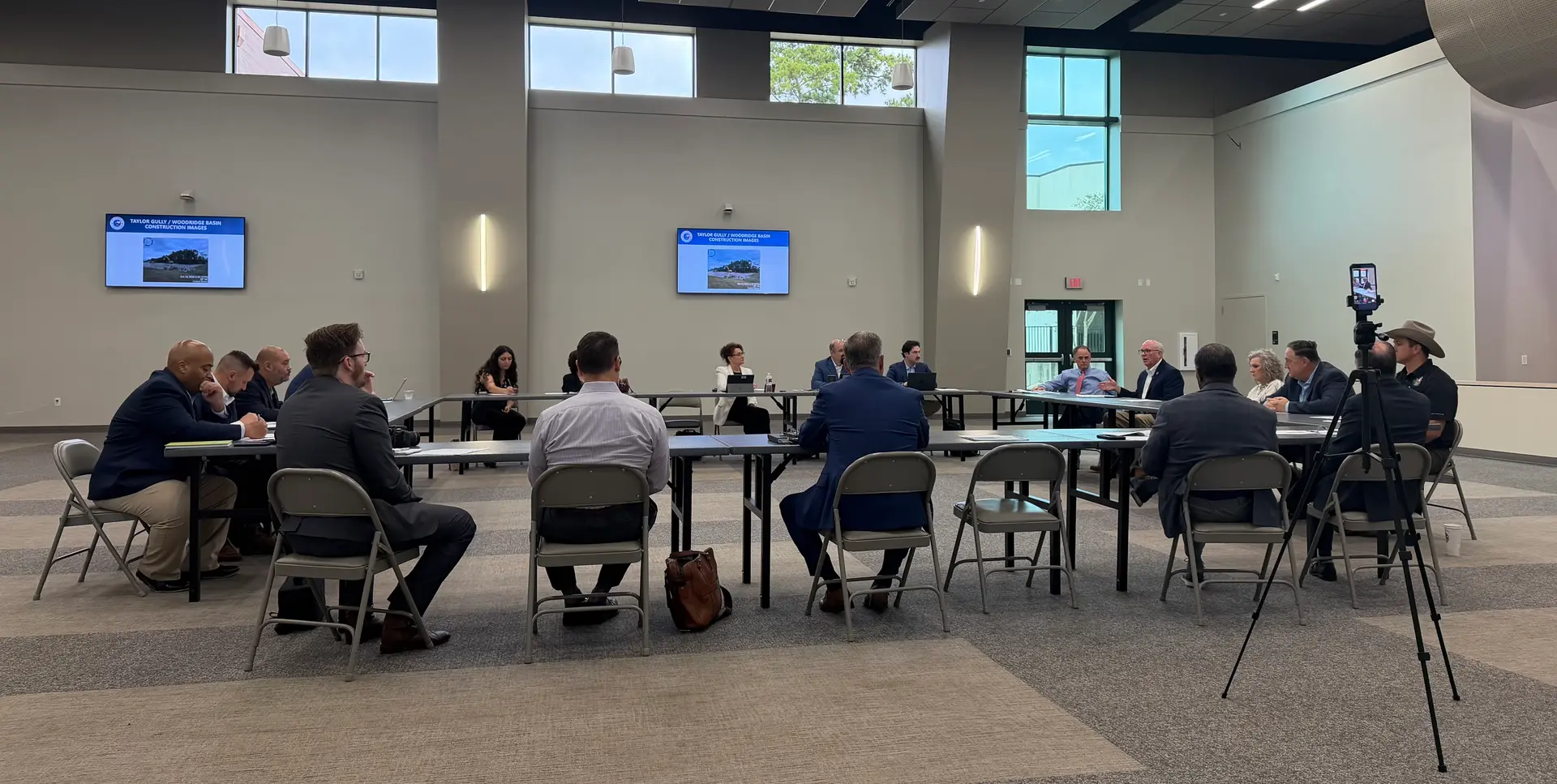
Pearland residents could see higher water and wastewater bills next year as city staff recommended a 12% utility rate increase for fiscal year 2026-27 at City Council’s July 27 budget workshop.
Following discussion, council members indicated support for a 9.9% increase scenario instead, which would meet the city’s minimum financial requirements and result in a smaller monthly increase for residents, city documents show.
Under the recommended 12% increase scenario, the average household using about 6,000 gallons of water per month would pay about $13.70 more each month.
The 9.9% increase scenario would increase the average monthly bill by about $11.31, city documents show.
Why now?
Staff identified several factors contributing to the proposed increase, including rising purchase-water costs, treatment expenses and inflation impacts on labor, materials and contracted services, documents show.
The increase in utility debt service stems from $524 million in capital projects to “meet regulatory requirements, growth and aging assets,” according to previous reporting from Community Impact.
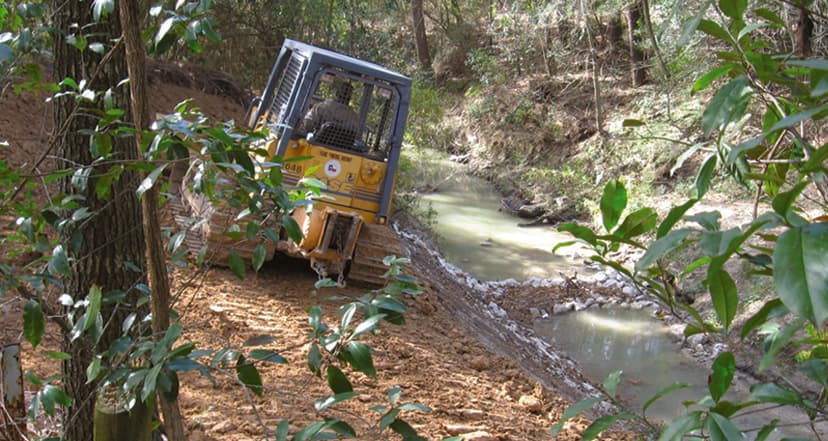
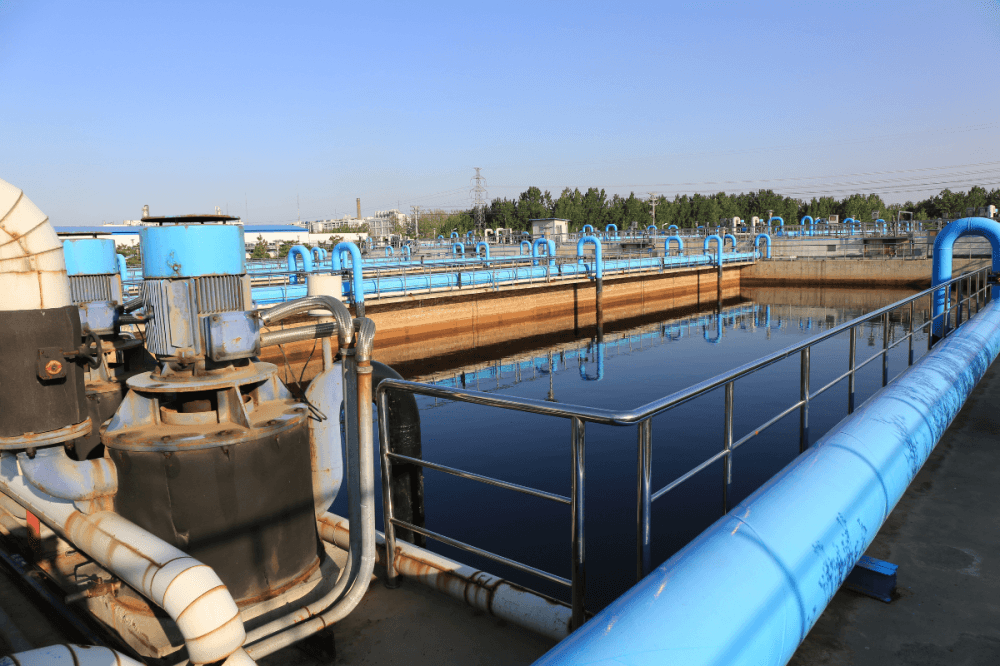
This includes the Barry Rose Water Reclamation Facility replacement and expansion, which has a construction budget of approximately $223.8 million and is estimated to be completed in April 2028, documents show.
What residents need to know
The utility fund must generate enough revenue to cover operations, debt obligations and maintain required financial targets, according to budget documents.
The city’s existing water and sewer revenue bonds require a minimum 1-to-15 bond coverage ratio, which measures whether the utility fund has enough revenue available to cover debt obligations.
Under the recommended 12% increase, city staff projected a bond coverage ratio of 1-to-66, while the 9.9% increase would be closer to the minimum requirement, documents show.
Council member Clint Byrom said setting rates too low could create additional financial challenges in the future.
“If we don’t set these rates at the responsible levels—and I believe we should set them at the lowest responsible level possible—there is going to be an offset on the debt service side,” he said at the meeting.
A lower rate could reduce the amount of revenue available to support the utility’s debt obligations, which could create additional pressure on the city’s finances, including a potential impact on the city’s credit rating, he said.
A potential credit downgrade could make it more expensive for the city to borrow money in the future due to higher interest rates. Increased borrowing costs could require the city to raise additional revenue to cover higher debt service payments, which could lead to higher rates, city staff said.
Also of note
Mayor Quentin Wiltz said council should consider the impact higher utility bills could have on residents and recommended holding the rate at 5.5%, or a 0% increase.
Wiltz asked staff to prepare a scenario showing the impact of holding utility rates at the current level for FY 2026-27, which council could review during the following budget workshop.
Holding rates flat would reduce the utility fund balance, leaving an estimated $134,000 reserve, or “next to no cash,” to cover emergencies and contingencies, city staff said.
Looking ahead
City staff will continue holding budget workshops in August, with the FY 2026-27 budget and property tax rate scheduled to be formally adopted by City Council in September, according to city documents.