Over the last month, the city councils of Bee Cave, Lakeway and West Lake Hills have each made decisions contributing to changes within the cities. From canceled library contracts to permit process changes, check out three recent government stories from the area.
1. Bee Cave City Council moves to cancel library contracts after bond rejection
Bee Cave City Council moved to cancel construction contracts for the proposed new Bee Cave Public Library construction at the April 14 meeting after residents voted against issuing bonds to fund the library last November.
During the November bond election, voters approved Proposition A to authorize the construction of an 18,500-square-foot library.
Yet, voters did not support Proposition B, a measure that would have authorized the city to issue bonds and levy a tax to fund the $19.98 million project. The bond would have increased property taxes up to $0.0148 per $100 of valuation, according to the city.
Due to the lack of support for Proposition B, the project has been paused since the vote.
2. Lakeway moves forward in changing special use and conditional use permit process
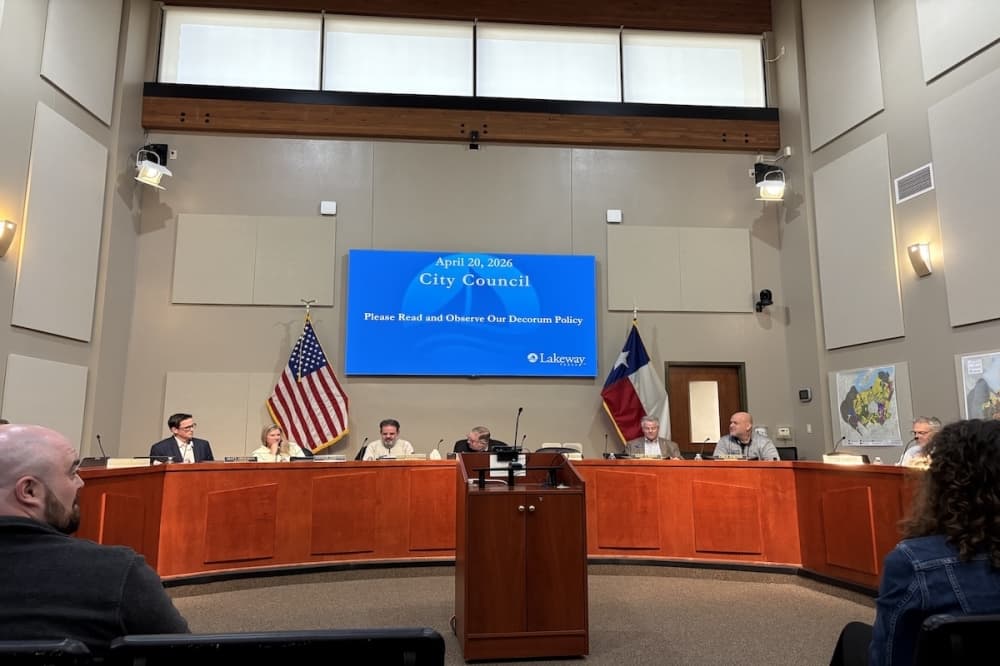
Lakeway City Council provided guidelines to potentially amend the special and conditional use permitting process to make it more practical and consistent with the city's development needs.
These amendments include removing the duration requirement or giving an automatic duration to permits, changing the transfer process and adjusting what is listed as special or conditional use.
3. West Lake Hills to send letter of conditional support for MoPac South project
West Lake Hills City Council voted to jointly send a letter of conditional support for the Mopac South Environmental Assessment with Rollingwood on April 22.
The letter will be sent to the Central Texas Regional Mobility Authority with a list of conditions required for the project to be supported by the two cities, including funding a diverging diamond intersection off MoPac and Bee Cave Road, implementing traffic noise barriers on the Rollingwood side of the highway and maintaining lane elevation at the previously designated height.