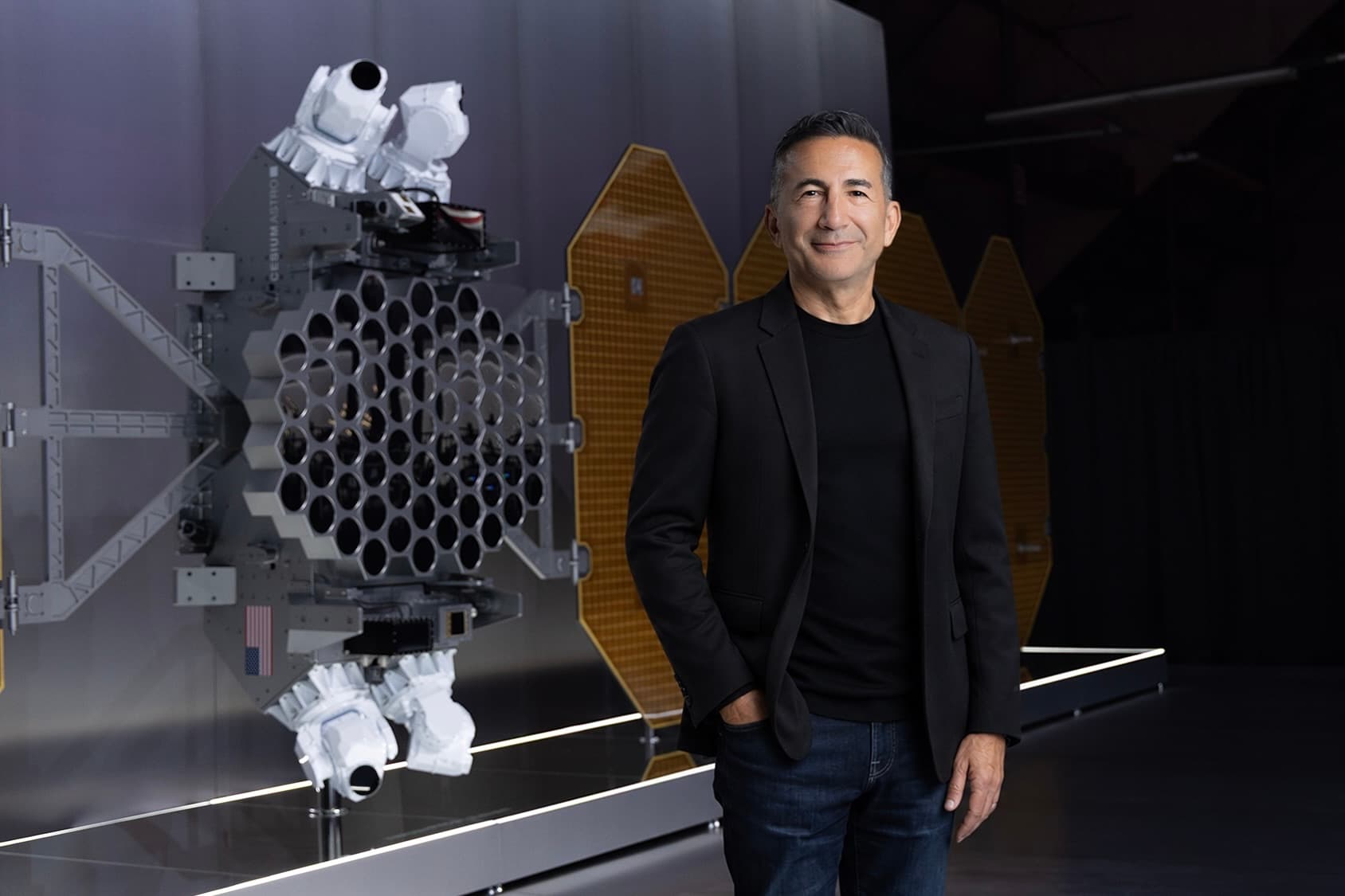
CesiumAstro, an aerospace engineering company headquartered in Bee Cave, announced plans for Synchronicity, a satellite constellation, following the successful launch of CesiumAstro’s first satellite, Element-1.
The overview
The Synchronicity project is a satellite constellation, which is a network of satellites working together to provide communications coverage across large areas of the planet.
Through Synchronicity, CesiumAstro plans to expand beyond manufacturing satellite technology to building and operating its own satellite communications network, per a press release from the company.
The system will use artificial intelligence to manage communications, process data in space and connect users across multiple satellite orbits.
Designing the network's components in-house will allow its technology to work together more efficiently and adapt to changing needs, Founder and CEO of CesiumAstro Shey Sabripour said.
“Synchronicity is the culmination of the technology stack we have methodically built since CesiumAstro was founded,” Sabripour said.
How we got here
CesiumAstro launched its first satellite, Element-1, in October.
The satellite allowed the company to test its communications technology and onboard computing capabilities in orbit, to demonstrate systems that could eventually support the larger network.
While Element-1 is a single satellite, Synchronicity is designed to use a network of satellites to provide communications services for commercial and national security purposes, per the release.
“With our technology proven on orbit, on the ground and in the air, a significantly expanded set of capabilities, and more than $1.2 billion in capital raised this year, we are positioned to take the next major step in our growth,” Sabripour said.
The local impact
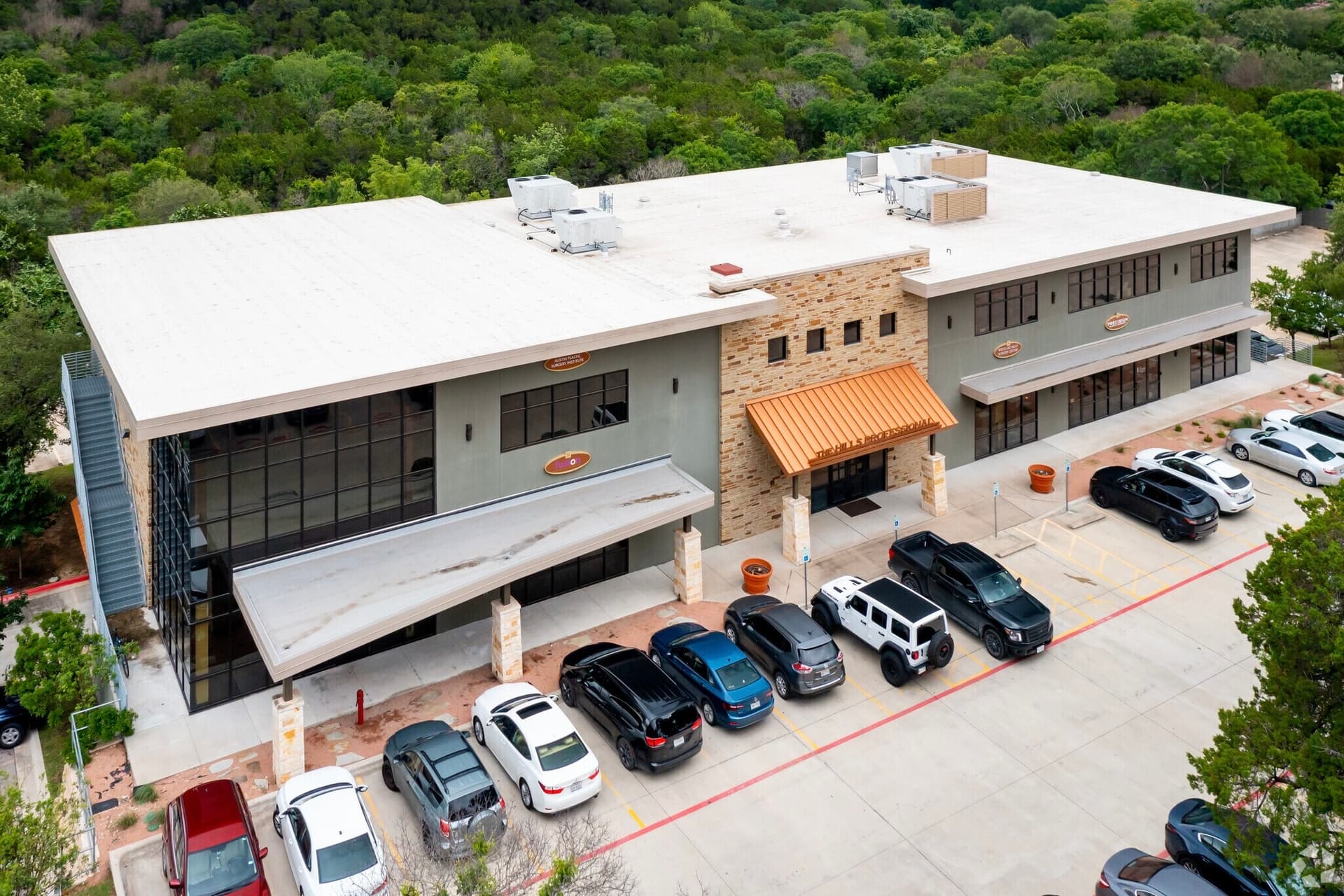
In March, the company announced a $500 million capital investment over the next five years to expand its headquarters in Bee Cave, including the purchase of 270,000 square feet of manufacturing space.
CesiumAstro also has plans to add 550 jobs and grow its workforce by over 1,000 employees by 2030, according to the press release.