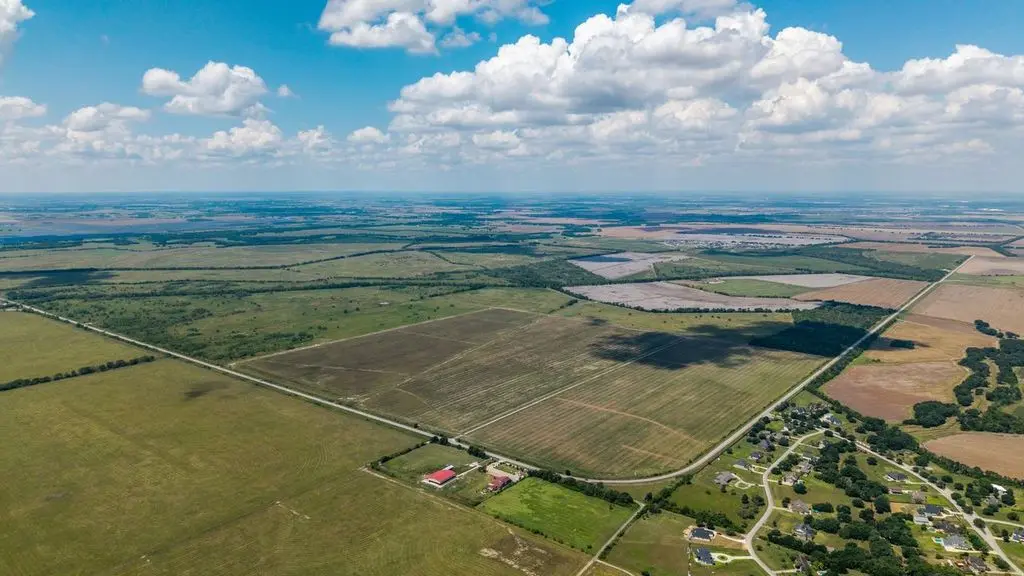
Tesla is considering a 3,057 acre site at FM 1994 and FM 762 within Lamar CISD boundaries for a solar manufacturing facility. (Jamaal Ellis/Community Impact)
Tesla is eyeing Fort Bend County as a potential home for a new manufacturing facility.
What you need to know
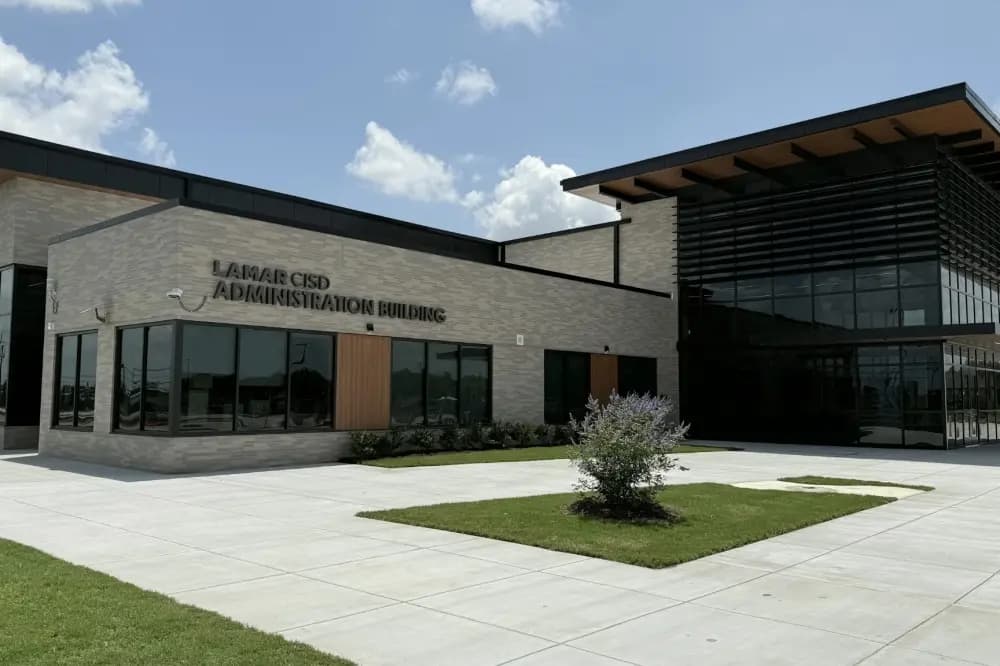
The proposed $10.1 billion capital project, also referred to as Project Crystal Sun, could bring a solar cell manufacturing facility to a portion of a 3,057-acre site at FM 1994 and FM 762 within Lamar Consolidated ISD’s boundaries.
Tesla is considering a 3,057 acre site at FM 1994 and FM 762 within Lamar CISD boundaries for a solar manufacturing facility.Courtesy Tesla JETI application
As Tesla works to finalize its site selection, the company has submitted a Texas Jobs, Energy, Technology and Innovation, or JETI, Act application, which is the state’s economic incentive program involving school districts to evaluate the area’s economic factors.
Through the program, qualifying companies making significant investments in Texas can be eligible for a temporary limitation on the taxable value of eligible property for a school district’s maintenance and operations taxes, which support the district’s day-to-day operations.
Additionally, Fort Bend County commissioners voted to approve a reinvestment zone near FM 762 and FM 1994 at an Aug. 24 meeting. Interim County Judge Daniel Wong recused himself from the vote due to his company's involvement with Tesla.
The five-year designation aims to contribute to the retention or expansion of primary employment, increase business opportunities in the county and contribute to the development of the property, per county documents.
How it works
Through the JETI process, the Texas Comptroller of Public Accounts, the governor and Lamar CISD must all approve the project to be eligible for the incentive program.
The governor and the LCISD board of trustees have independent decision-making roles in the JETI process. The project cannot move forward without a positive recommendation from both.
If the application is accepted, the taxable value of the property would be limited to either 25% or 50% for M&O purposes during the 10-year limitation period from 2029 to 2038, according to information shared in a project Q&A page from Lamar CISD. During the construction period, the taxable value would be $0.
However, the property remains fully taxable for interest and sinking tax purposes, which could increase the district’s capacity to repay voter-approved debt or potentially reduce the I&S tax rate necessary to meet those debt obligations.
How the JETI process works
Application and comptroller review: The application is submitted to the Texas Comptroller of Public Accounts who will review the application and notify required parties.
Governor and Lamar CISD consideration: Following a favorable recommendation from the comptroller, the governor and Lamar CISD each have 30 days to determine whether they would like to enter into a JETI agreement. Lamar CISD must host a public hearing on the application.
Determination and notification: The governor and Lamar CISD must notify the appropriate parties of their determination.
Agreement phase: If all parties agree to proceed, the process moves into the agreement phase. The framework allows up to one year following the comptroller’s recommendation for approval.
About the project
The proposed facility would manufacture photovoltaic solar cells and assembled solar modules, which are components used to convert sunlight into electricity, according to Tesla’s JETI application.
The facility—which would see $1.5 billion in real property and approximately $8.6 billion in personal property—would include industrial buildings containing production lines, supporting utility infrastructure, warehousing for raw materials and finished products, and related site improvements.
The project is slated to bring 9,712 full-time permanent positions by 2033 with a $1.3 billion annual payroll at full operation as well as 1,147 temporary construction positions, per the application.
The application identifies $121,953 as the county’s average annual wage and $134,148 as 110% of that average wage. The permanent positions are expected to provide wages consistent with regional manufacturing benchmarks, per LCISD’s project website.
Keri Schmidt, president and CEO of the Fort Bend Regional Partnership, said the project could be "huge" for Fort Bend County by expanding its workforce and contributing to one of the county’s long-term goals.
“Obviously, this is an incredibly positive opportunity that could be transformational for Fort Bend County,” Schmidt said. “This project represents the culmination of more than 40 years of efforts by the county. One of our long-term goals have been to transform Fort Bend from a bedroom community into a major employment center. With more than 10,000 direct and induced jobs, this project could help us realize that goal.”
Why it matters
If the county is selected, the project could help diversify the county’s tax base by providing another source of property taxes. Meanwhile, the project is expected to increase Texas’ gross domestic product—which is the total market value of all final goods and services produced in a country—by approximately $107 billion.
Beyond monetary contributions, Schmidt said the project could establish Fort Bend County as a major advanced manufacturing and American-made solar technology hub.
"We are competing to attract what is reportedly one of the largest economic development projects in the history of not just Fort Bend [County], Houston or Texas, but the United States," Schmidt said. "Should this project proceed, we believe it will usher in a new era of economic growth and prosperity for Fort Bend County, and the Fort Bend Regional Partnership stands ready to assist in making it a success."
What's next?
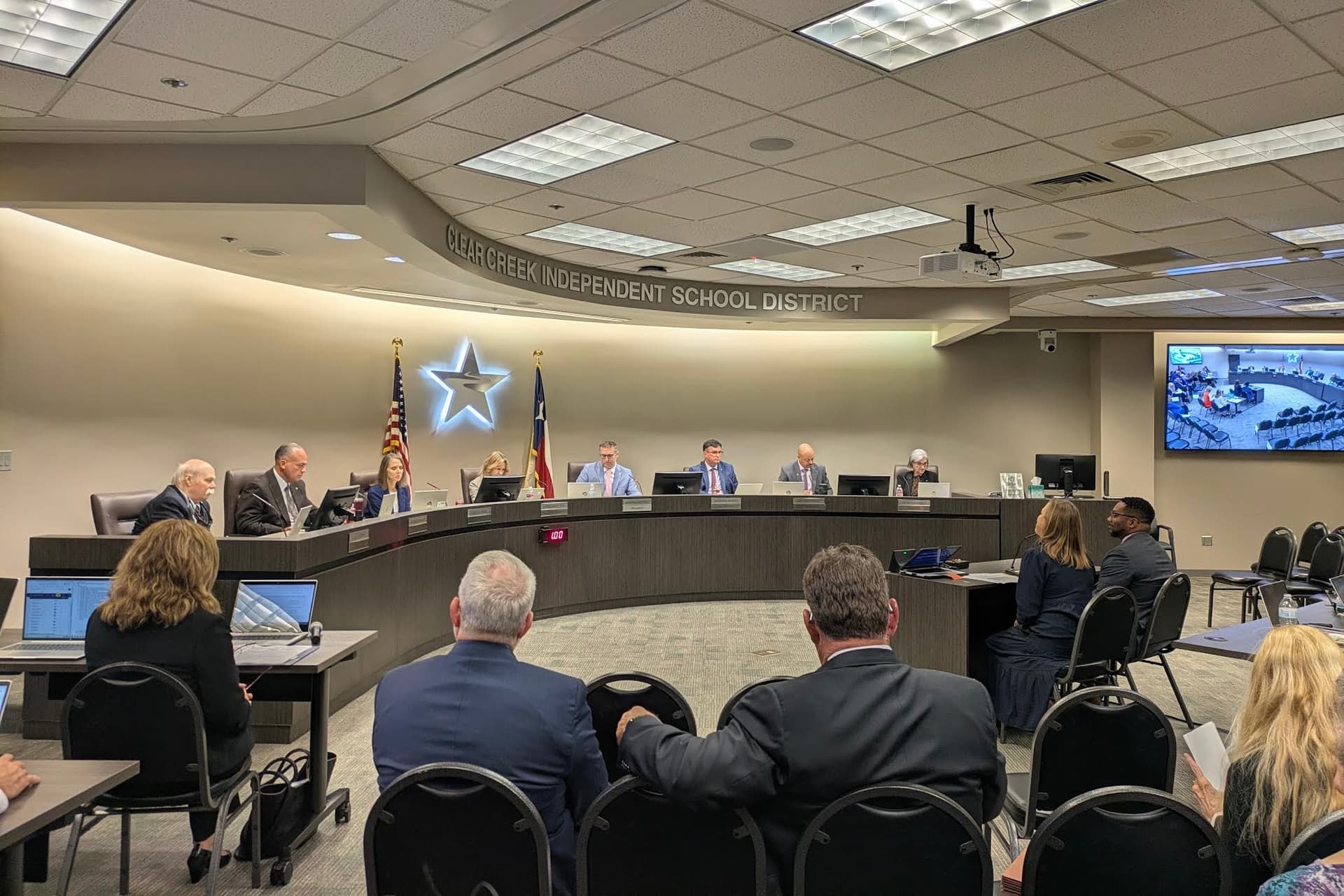
Lamar Consolidated ISD board of trustees held a workshop on Sept. 10, which featured discussion regarding the JETI application.
The district will hold a public hearing for the community to participate in the process and the board will vote on the JETI application Sept. 15.
If selected, project construction is expected to begin in 2026 with completion in 2028 and commercial operations set to begin in 2029, per the application.