Lamar Consolidated ISD officials have approved their portion of an agreement for a state economic incentive as Tesla works to finalize its site selection for a new manufacturing facility.
The proposed $10.1 billion capital project, also referred to as Project Crystal Sun, could bring a solar cell manufacturing facility to a portion of a 3,057-acre site at FM 1994 and FM 762 within Lamar Consolidated ISD’s boundaries.
What residents need to know
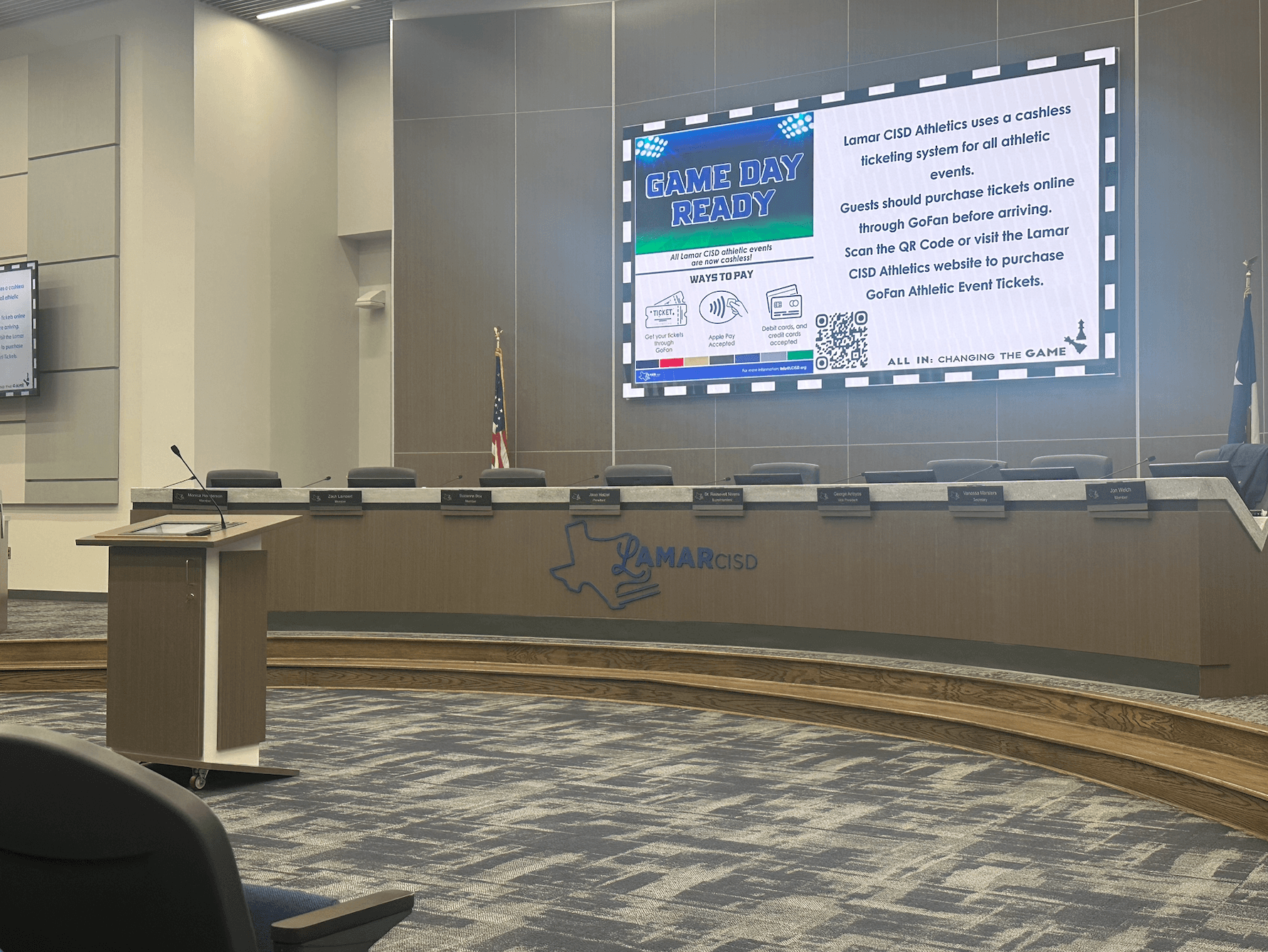
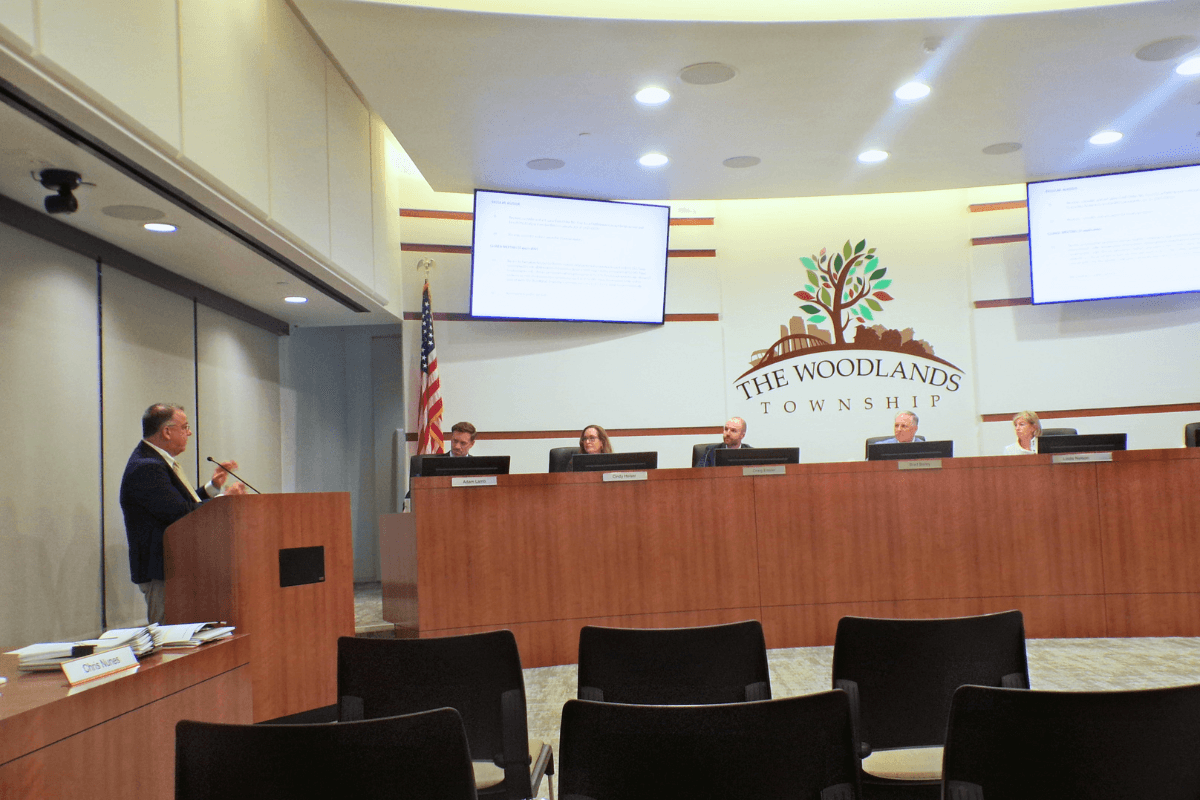
At a Sept. 15 meeting, the Lamar CISD board of trustees approved a resolution supporting an agreement to move forward with a “taxable value limitation” on eligible property with Tesla, documents show.
The approval is a part of Tesla’s Texas Jobs, Energy, Technology and Innovation, or JETI, Act application, which is a program that attracts companies making significant investments to the state by limiting their school district maintenance and operation tax rate for 10 years.
However, Superintendent Roosevelt Nivens emphasized that the district would not lose tax revenue, as the state commits to making up the funds that Tesla does not pay during the tax limitation through the JETI program.
The property would remain fully taxable for interest and sinking tax purposes, which could increase the district’s capacity to repay voter-approved debt or potentially reduce the I&S tax rate necessary to meet those debt obligations.
Lamar CISD Chief Financial Officer Greg Buchanan said the agreement could bring $89,000 in additional M&O revenue over 16 years and $335.5 million of I&S revenue through 2063—as well as an added bond capacity of $180.3 million.
The details
The proposed facility would manufacture photovoltaic solar cells and assembled solar modules, which are components used to convert sunlight into electricity, according to Tesla’s JETI application.
The facility—which would see $1.5 billion in real property and approximately $8.6 billion in personal property—would include industrial buildings containing production lines, supporting utility infrastructure, warehousing for raw materials and finished products, and related site improvements.
The project is slated to bring 9,712 full-time permanent positions by 2033 with a $1.3 billion annual payroll at full operation, as well as 1,147 temporary construction positions, per the application.
In their own words
Board President Jacci Hotzel said she hopes the board vote is a “beautiful beginning” of a long-term partnership with Tesla.
“Even more so, as Tesla becomes a major employer in the county, I really look forward to our students benefitting from that,” she said. “When Tesla tells us they intend to be a strong community partner, we are taking that seriously.”
Several community members and leaders, including Jay Neal, associate vice president and chief operations officer for the University of Houston’s Sugar Land and Katy campuses, said the project could help keep residents—who grew up and were educated in the community—in the area with advanced career opportunities and other businesses that come to the area.
“This creates an opportunity to build a true education to employment pipeline,” he said. “Lamar CISD along with the four-year and two-year colleges and other regional partners can align academic programs, internships, apprenticeships, certifications and work-based learning with the skills required by Tesla and its suppliers.”
However, a few community members, including Jennifer Rodriguez, spoke against the JETI application approval, citing concerns with environmental impacts, infrastructure strain—particularly on roadways—and tax burdens.
“While a $10.1 billion investment sounds historical on paper, granting a 10-year property tax rate limitation shifts the long-term financial burden of infrastructure wear and tear back on everyday local homeowners,” she said.
In case you missed it
Fort Bend County commissioners voted to approve a reinvestment zone near FM 762 and FM 1994 at an Aug. 24 meeting. Interim County Judge Daniel Wong recused himself from the vote due to his company's involvement with Tesla.
Stay tuned
Following board approval, the JETI application will need approval from the governor before it can move forward to the agreement phase. Additionally, Tesla will need to finalize its site selection between Fort Bend County and its other potential site.
How the JETI process works
Application and comptroller review: The application is submitted to the Texas Comptroller of Public Accounts who will review the application and notify required parties.
Governor and Lamar CISD consideration: Following a favorable recommendation from the comptroller, the governor and Lamar CISD each have 30 days to determine whether they would like to enter into a JETI agreement. Lamar CISD must host a public hearing on the application.
Determination and notification: The governor and Lamar CISD must notify the appropriate parties of their determination.
Agreement phase: If all parties agree to proceed, the process moves into the agreement phase. The framework allows up to one year following the comptroller’s recommendation for approval.
If the Fort Bend County site is selected, project construction is expected to begin in 2026 with completion in 2028 and commercial operations set to begin in 2029, per the application.