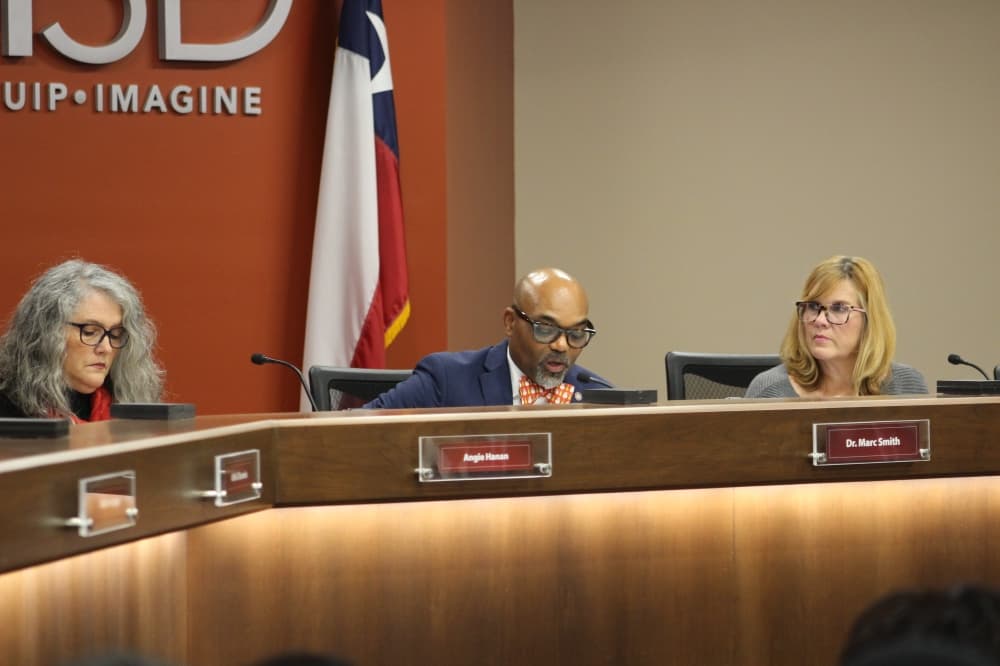
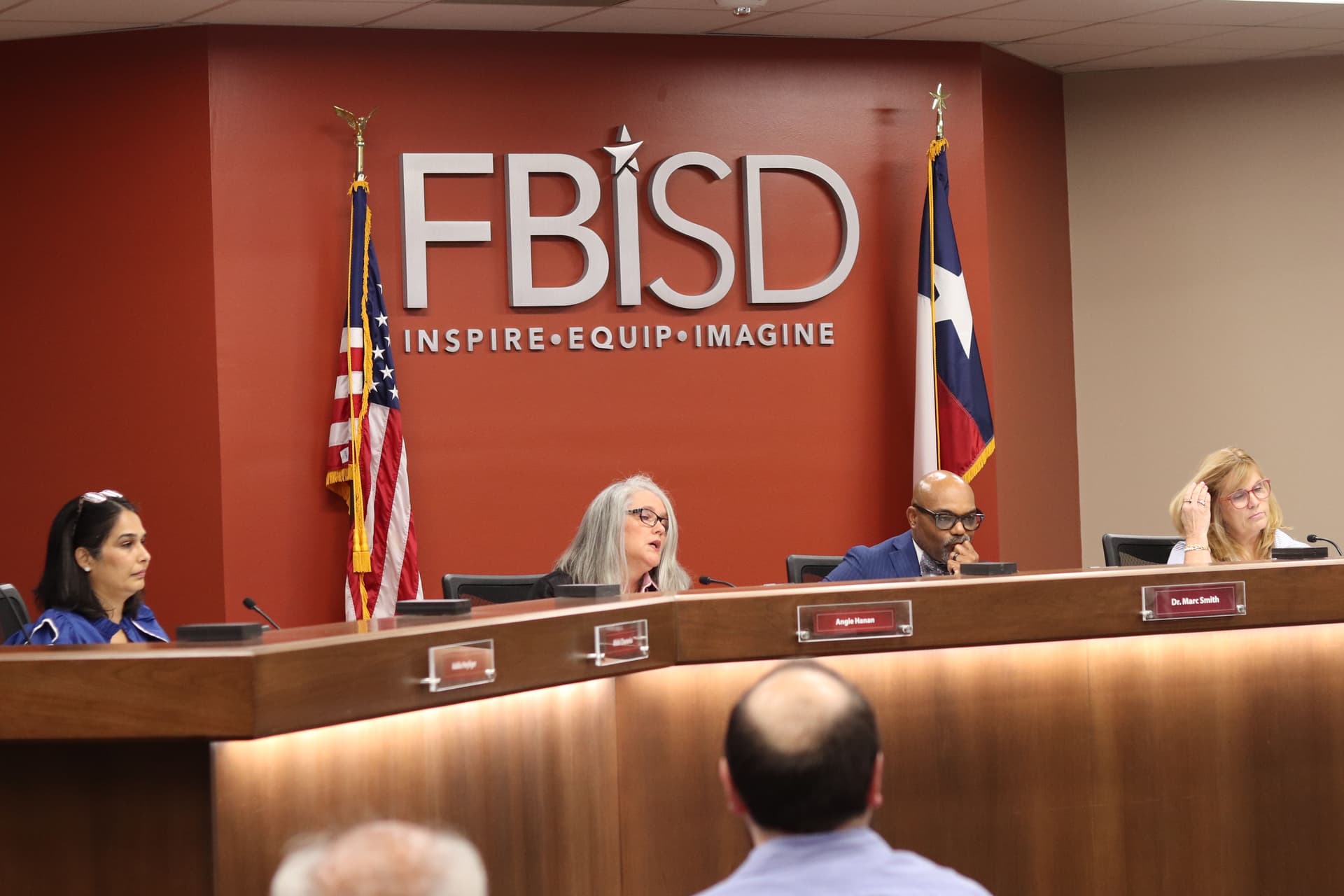
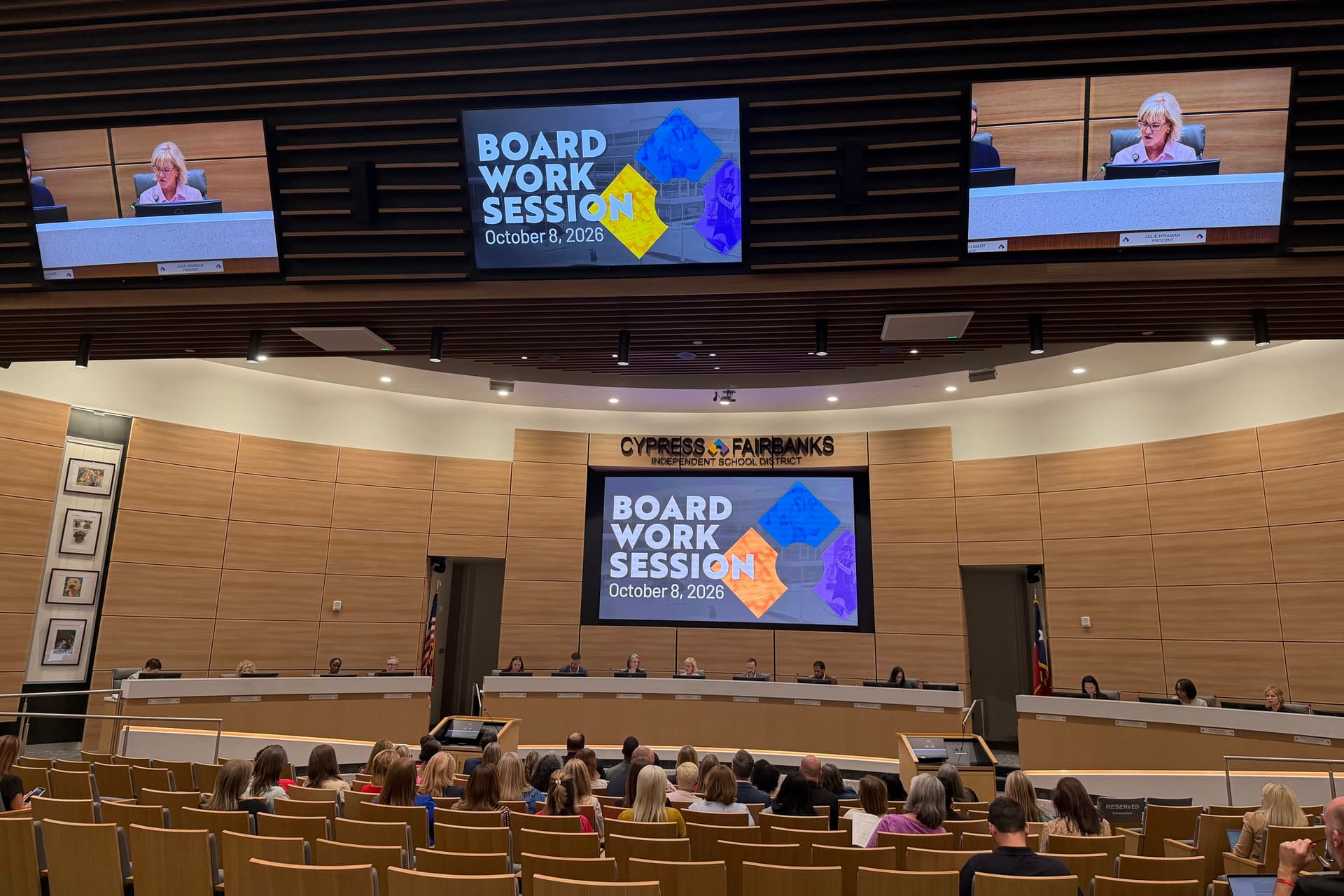
Fort Bend ISD district officials could consider closing seven campuses on the northwest, central and southeast portions of the district, officials shared at the Dec. 15 board meeting.
The changes are proposed as a part of the district's three-year boundary planning progress due to stabilized enrollment patterns, resulting in under- and overutilized campuses across the district with some schools.
However, boundary drafts are subject to change based on public feedback, Superintendent Marc Smith said.
"The boundary scenarios that will be reviewed tonight are not final," he said. "The feedback of the public will be considered as we move forward in the process."
The proposal
Beth Martinez, deputy superintendent chief of staff, said demographers decided to focus on the northwest, central and southeast portions of the district rather than feeder patterns to consider neighborhoods, walking distances, bus routes and special programming, while avoiding more than one transfer at each level—elementary, junior and high school.
The proposed consolidation of campuses focuses on seven campuses with enrollment under 600 students as of Aug. 29 and the most recent facility condition scores that would indicate the campuses are less infrastructurally stable, said Bob Templeton, president of the demographic firm Zonda.
How we got here
While the population continues to grow in Texas, not all students are attending public schools, said Stacy Tepara, president of demographic firm Population and Survey Analysts.
The growth of students attending charter schools has almost doubled across the state over the past decade, while there has only been a 2% public education enrollment growth, she said. In FBISD, Community Impact reported 72% of students transferring out of the district in the 2024-25 school year went to charter schools.
A previous audit from Gibson Consulting found that the consolidation of 19 elementary campuses with less than 600 students each could save the district $12.6 million annually, although Smith said those savings would not materialize "overnight."
What's changing?
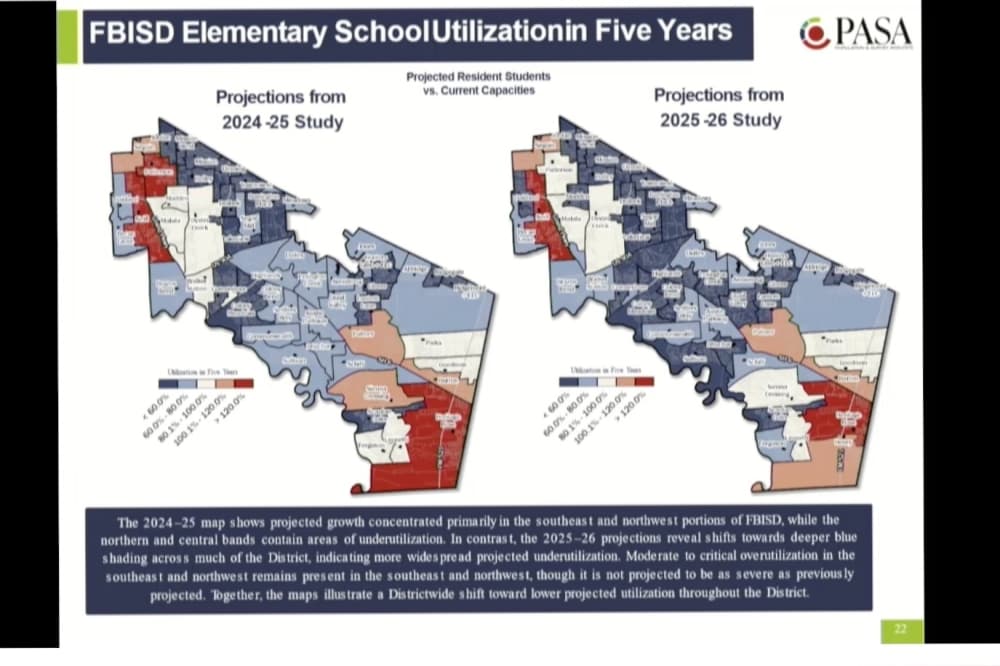
Compared to 2025 projections, Tepara said more campuses in the 2025-26 school year are currently underenrolled in the middle portion of the district. Tepara said these new, lower projections serve as a "validation check" for the boundary planning process, which "strengthens the need" for the proposed rezoning and school consolidations.
What they're saying
Community members echoed concerns shared in a Dec. 4 survey, which indicated most parents do not feel ready for boundary planning. Respondents most commonly cited the impact on the child's education when rezoning.
Parent Teresa Noyola from Quail Valley Elementary—which grew from a C to an A-rated campus from the 2023-24 school year to 2024-25 school year—said she's concerned about being zoned to a lower-rated campus, which would "negatively" affect her son's education.
"If [FBISD] places my child in a school that cannot offer the same level of academic quality, I will have difficult decisions to make," she said. "I will have to consider placing him in a private school, a charter school or even moving from the community I have called home for two decades."
Parent Stephanie Brown, who belongs to the Marshall High feeder pattern, spoke out against the disparity of campus performance across the district, urging officials to address inequality in the quality of learning in the district.
"Every parent wants their child to have a quality and an equitable education," she said. "It should not matter where in [FBISD] your child is going if [FBISD] is educating every student."
Moving forward
Trustees will receive updated or revised scenarios in January, followed by additional public input opportunities.
Final recommendations are scheduled to go before the board in March, with district-wide communication and implementation planned to begin immediately after board action.