Ahead of a districtwide boundary planning review in April, Fort Bend ISD officials heard key demographic data at the Feb. 3 annual workshop. This comes as the district seeks to reorganize campuses that are over- and underutilized.
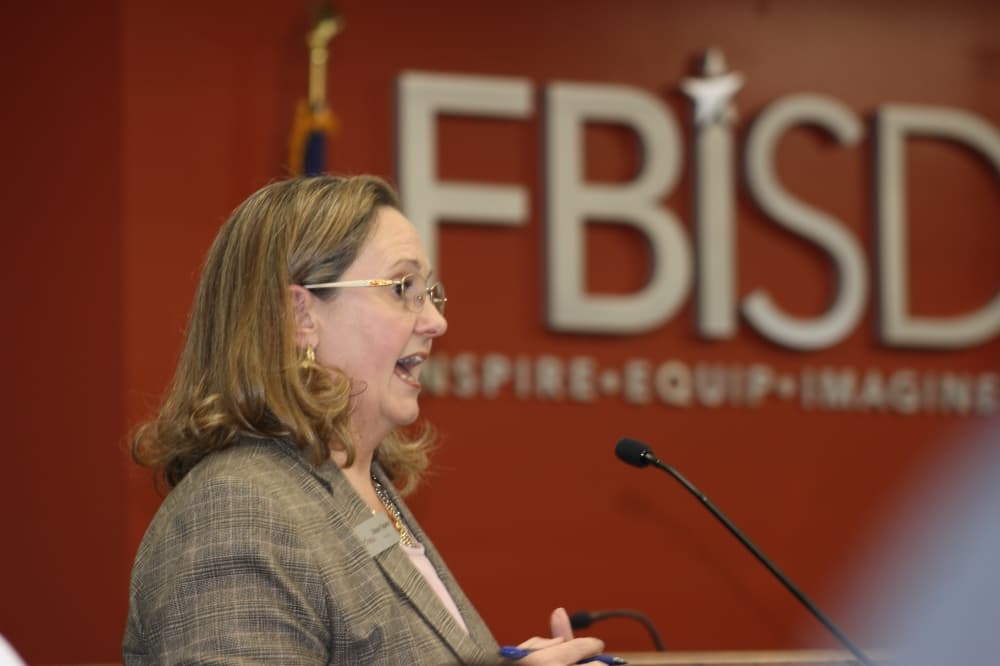
The fast growth in the district’s student enrollment over the past decade will likely stabilize in the next decade as most residential communities reach build-out, and enrollment into alternative educational options, primarily charter schools, increases, said Stacey Tepera, president of demographic firm Population and Survey Analysts.
“New housing absolutely drives the majority of growth that the district sees in pockets,” she said. “What we have seen in the past of high growth in Fort Bend is beginning to stabilize. This is another hint that we are reaching a new stage in the demographic life cycle.”
The context
Residential communities such as Sienna, Trillium and Harvest Green have attracted jobs and propelled the rise of student enrollment numbers in the past, Tepera said. The need to increase housing space on limited land tracts will likely drive developers to target young professionals without students into multifamily residences.
In the next 10 years, one-third of residential units within FBISD boundaries are projected to be multifamily rental residences, Tepera said.
“This trend is typical for stabilizing districts where large tracts of developable land are unavailable or cost-prohibitive in this district,” she said. “There are some large tracts of land in the south that are not developable because of flooding. Multi-family or higher-density living options become more popular as the community gets to this stabilizing point.”
Meanwhile, many established neighborhoods in FBISD are seeing fewer students, as empty nesters remain in their homes past their student’s graduation, Tepera said. This makes it less likely those enrollment numbers will be regenerated by new families.
What to expect
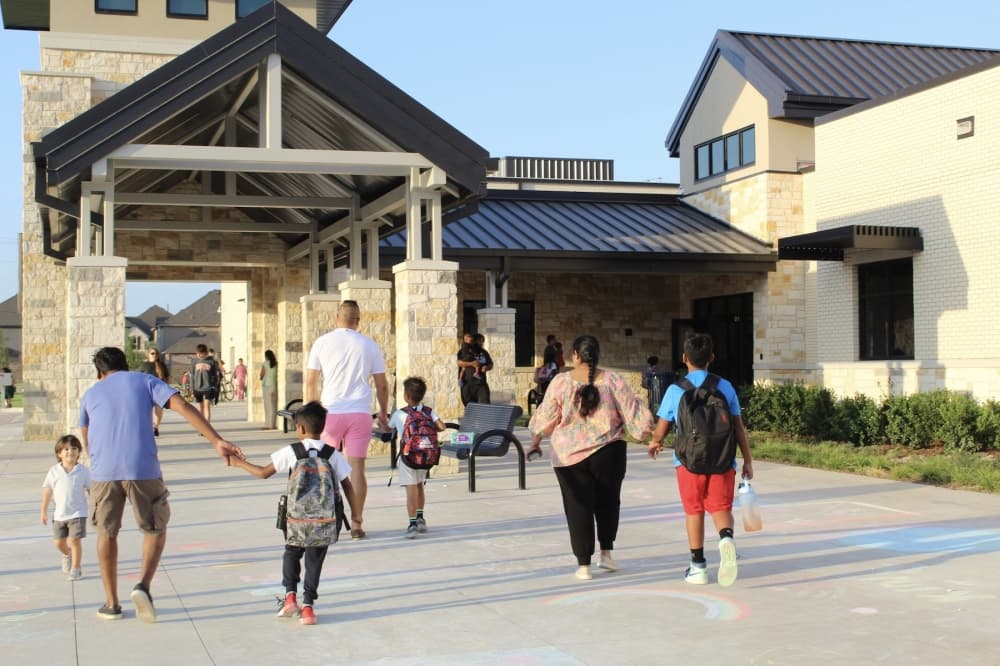
Since fall 2017, FBISD has had a 74% increase of students transferring to charter schools at over 1.5 times the rate of the state level, Tepera said. During this time period, 652 students in the FBISD area have enrolled at one of the eight new charter campuses.
“Some years when a new charter school opened up, the number of students pulled from Fort Bend increased by 12% over one year,” Tepera said.
Over the next five school years, roughly 652 students could enroll in one of the five new charter schools set to open, she said.