Photo courtesy Historic Katy by Carol
 Katy's land was once covered by acres of rice
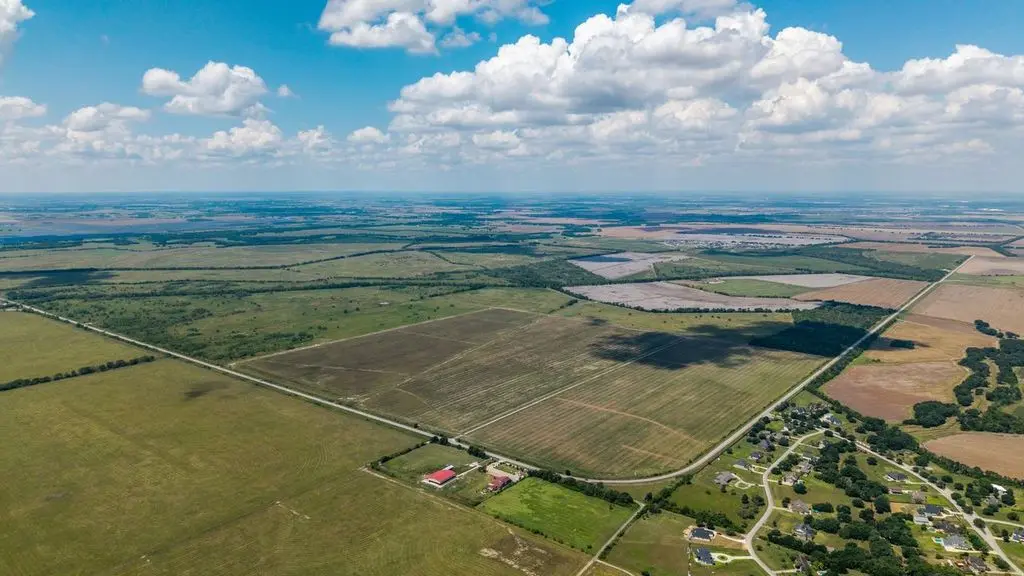
Before Katy was connected by rail to Houston—and long before the suburbs came to Katy's doorstep—the land was deemed fit only for grazing cattle. An early land agent for the Missouri-Kansas-Texas Railroad named Adam Stockdick persuaded settlers to try their hand at farming a variety of crops and fruit trees in the prairie. Few imagined that rice would come to be the foundation and bounty of the growing town of Katy.
In Historic Katy, historian Carol Adams details the first attempts at area rice cultivation. In 1901, despite being limited to a primitive pump and hand-held tools, German immigrant William Eule dug Katy's first well and grew its first rice crop. Eule's success helped persuade even Stockdick to engage in the hard but fruitful work.
Reliance on a consistent and level water supply posed challenges for farmers. Drought, hurricanes, insects, birds, reptiles and a volatile market for rice could cost farmers their entire crops and livelihoods.
After the price of rice briefly soared during World War I, the resultant demand for labor—to plow and plant, build the small levees required to maintain the water level in the fields, and to cut, bundle and thresh the rice—drew new families to the area.