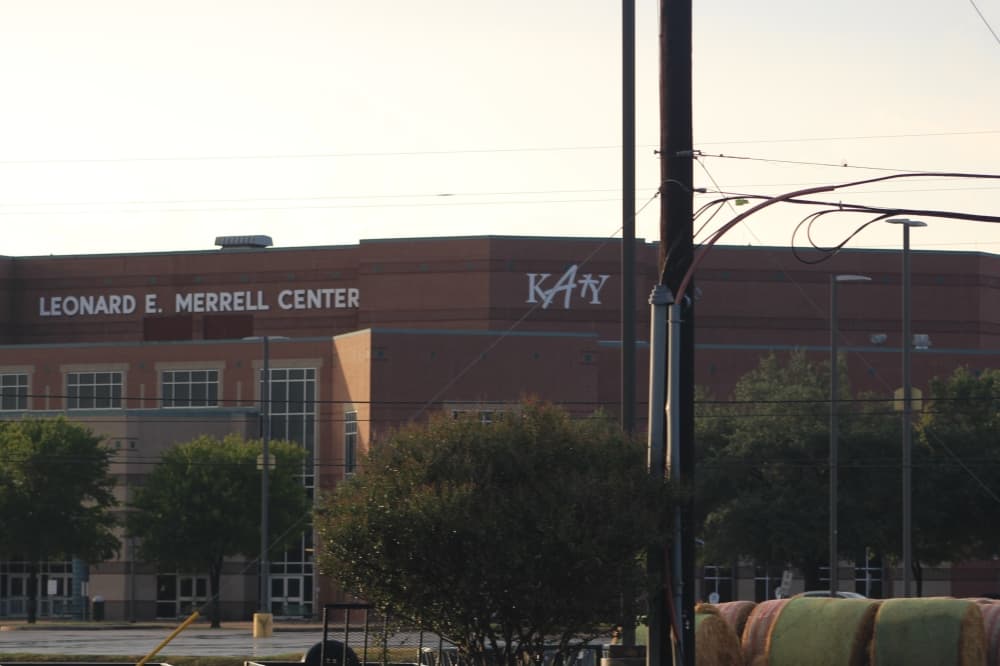
Chief Financial Officer Chris Smith said the primary goal of the TIRZ was to provide a mechanism to sell $25.6 million in tax-exempt bonds which were used to construct facilities, including the Leonard Merrell Center, which was built in 2002. (Valeria Escobar/Community Impact)
Katy ISD is nearing the completion of a financial partnership that began more than two decades ago through the establishment of a tax increment reinvestment zone, a state-authorized financing mechanism that uses the growth in property tax revenues within a defined area to fund public projects and infrastructure improvements.
The taxing partnership between city entities has generated millions of dollars in local reinvestment for the district, supporting the construction of new school facilities, road and utility upgrades around campuses, and infrastructure expansion to accommodate growth.
This approach reduces the burden on taxpayers and maintains long-term fiscal stability, Chief Financial Officer Chris Smith said at the Oct. 27 board meeting.
“Over the last 22 years, the taxes from that zone have been used to pay those bonds,” he said. "Essentially, it’s been a good investment, a good agreement that [KISD] got into back in the day.”
How it works
Smith said the primary goal of the TIRZ was to provide a mechanism to sell $25.6 million in tax-exempt bonds, which were used to construct facilities, including the Leonard Merrell Center, built in 2002.
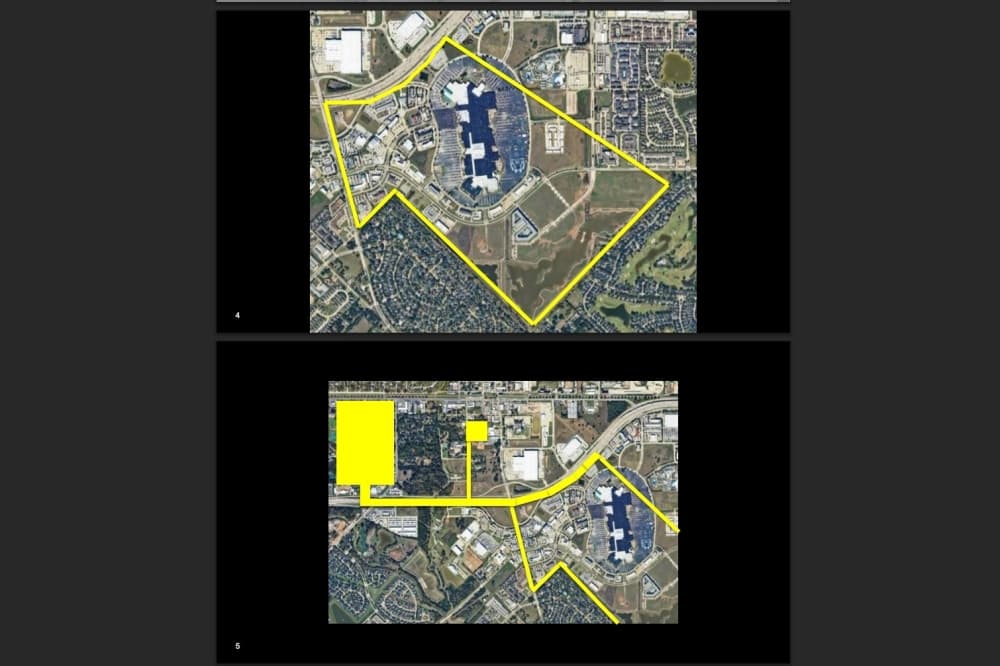
Since then, taxes collected from properties within the 430-acre zone, which is home to Katy Mills Mall, Pin Oak Road and nearby district campuses, over approximately the last 22 years were used to pay back the principal and interest on those bonds.
The district then sends those funds to the Katy Development Authority, which uses them to make payments on bonds that helped fund past construction projects. After those bond costs are covered, any leftover money—often called the “waterfall”—is returned to the district.
KISD's TIRZ zone includes 430-acre area around Katy Mills Mall, Pin Oak Road and nearby district campuses. (Courtesy Katy ISD)
When a TIRZ is created, the property values inside the zone are “frozen” at a base level, Smith said. As the area grows and property values go up, the extra tax money that comes from that growth is set aside to pay for improvements in the same area—this allows cities and school districts to fund new projects without raising taxes for everyone else.
The outcome
The arrangement generated $36.6 million in excess tax collections for the district, along with $2.2 million in interest earnings—a total of nearly $39 million reinvested back into KISD facilities, Smith said.
In addition to the Leonard Merrell Center purchase, TIRZ funds have also covered the cost of:
The Educational Support Complex office renovations
Upgrading the human resource building purchased from Brazos Valley Credit Union
Installing the original synthetic turf at Katy High School in 2010
Moving forward
The district made its final scheduled payment to the Katy Development Authority in March 2025, officially closing out its financial obligations and having collected all the “waterfall back,” Smith said.
He said the $17 million available in TIRZ funding can still be used for capital improvements within the designated properties, but new TIRZ initiatives are not expected since Smith said it would be “very difficult for school districts to justify under current state law.”
In addition to another round of turf replacements at Katy High, Smith said future priorities at the Educational Support Complex and Leonard Merrell Center include:
Replacing the emergency generator after a recent failure
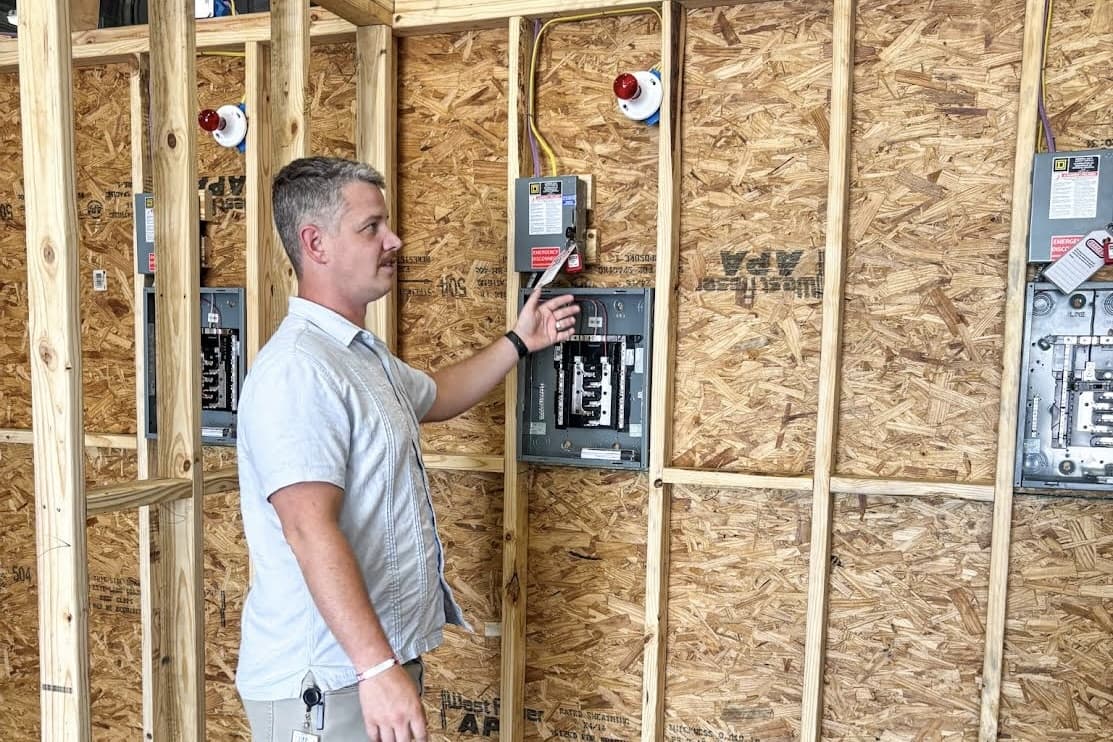
Installing new LED lighting systems at the Leonard Merrell Center to reduce annual operating costs by an estimated $100,000
Display board updates
Roof and building envelope repairs, including windows, to extend facility life