Texas State Technical College is set to launch an electrical construction program in Rosenberg this fall.
The program, which already has over 80 students enrolled, will introduce students to residential, commercial and industrial wiring—initially launching as a certification—with plans to expand to a full associate degree, Community Impact previously reported.
Shawn McNeil, the program’s team lead, shared more the program and its upcoming launch.
What opportunities does TSTC’s partnership with the Texas Department of Licensing and Regulation create for students entering this program?
We are currently the only college with a partnership that allows students of our certificate of completion program to have the 4,000-hour requirement waived so that they can take the Residential Wireman’s license exam with TDLR.
That partnership has continued to grow. On July 2, TDLR announced the rules for submitting a program proposal for an accelerated licensure pathway through the Journeyman Electrician Education Program (JEEP). The program will help meet the growing need of skilled workers by giving future electricians a more streamlined way to earn the hours they need for their licenses.
How did you design the labs to ensure students have an authentic and hands-on learning experience?
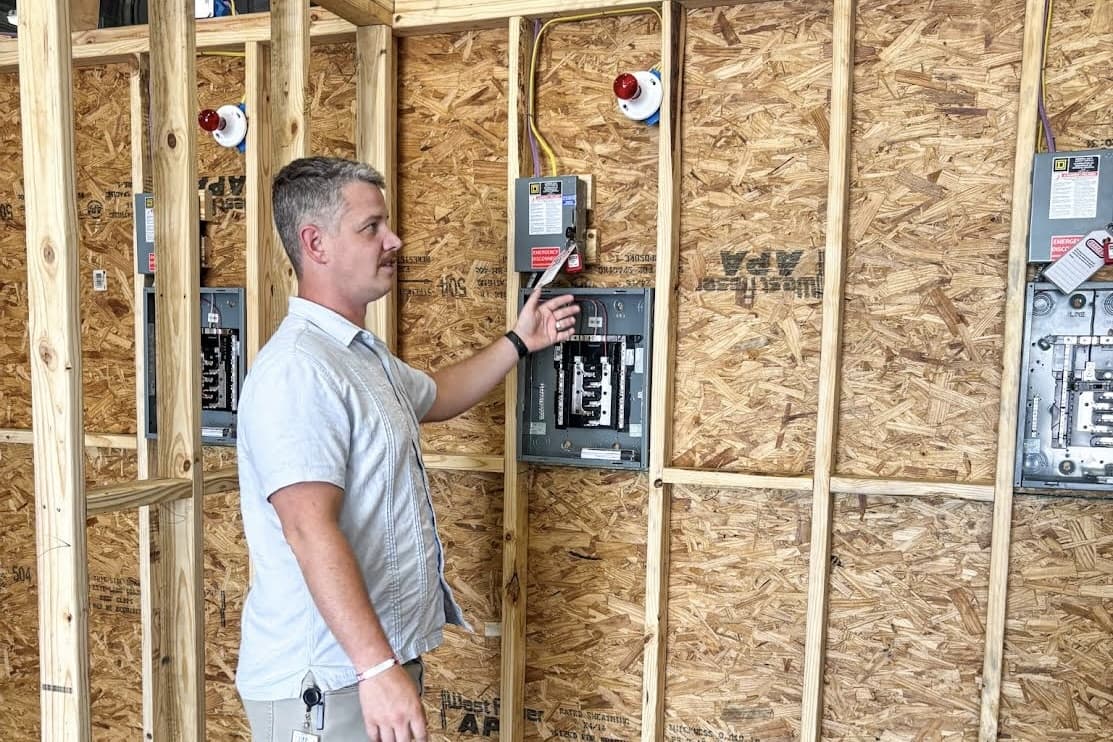
In our residential lab, students will work with wood-framed structures that resemble a typical home and practice skills such as rough-in, trim-out, panel installation and testing.
In the commercial lab, students will use steel-framed structures where students focus on skills such as metal-clad cable installation and conduit bending. Our Industrial lab builds on those skills with rigid conduit, motor controls and basic programmable logic controller applications.
What criteria was used when choosing materials, tools and equipment students will work with?
Darin Timmons, the statewide director of alignment for TSTC’s Electrical Construction program, helps guide the selection of tools and materials used throughout the program. He brings extensive experience in the electrical industry and works closely with our industry partners through the curriculum advisory boards.
Why should students begin with fundamentals before transitioning to advanced electrical work?
Students first learn about the basics and are given the opportunity to practice them repeatedly. As they become more comfortable, we introduce more complicated projects and build on what they have already learned. That progression helps them understand not only how to complete a task, but why they are doing it.
Also of note
The Rosenberg campus is also set to launch a building construction program this fall, Community Impact reported. The program will feature a craftsman certification focusing on foundational construction skills.