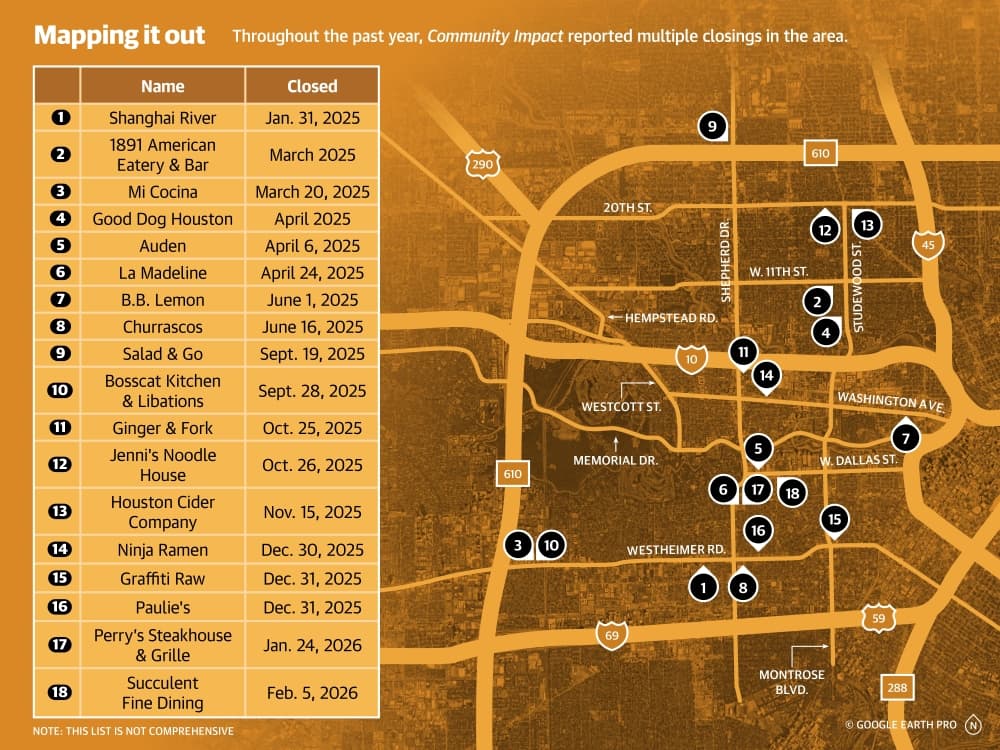
Over the past year, dozens of restaurants have closed throughout the Houston Heights, River Oaks and Montrose areas. While local restaurant owners give a variety of reasons for the closings, the most common ones are a rise in rent and a decrease in demand from consumers.
Current situation
The closures, which have affected longtime established neighborhood favorites, new businesses and national franchises, seem to be a sign of an industry that is slow to adapt to rising trends, local restaurateurs said.
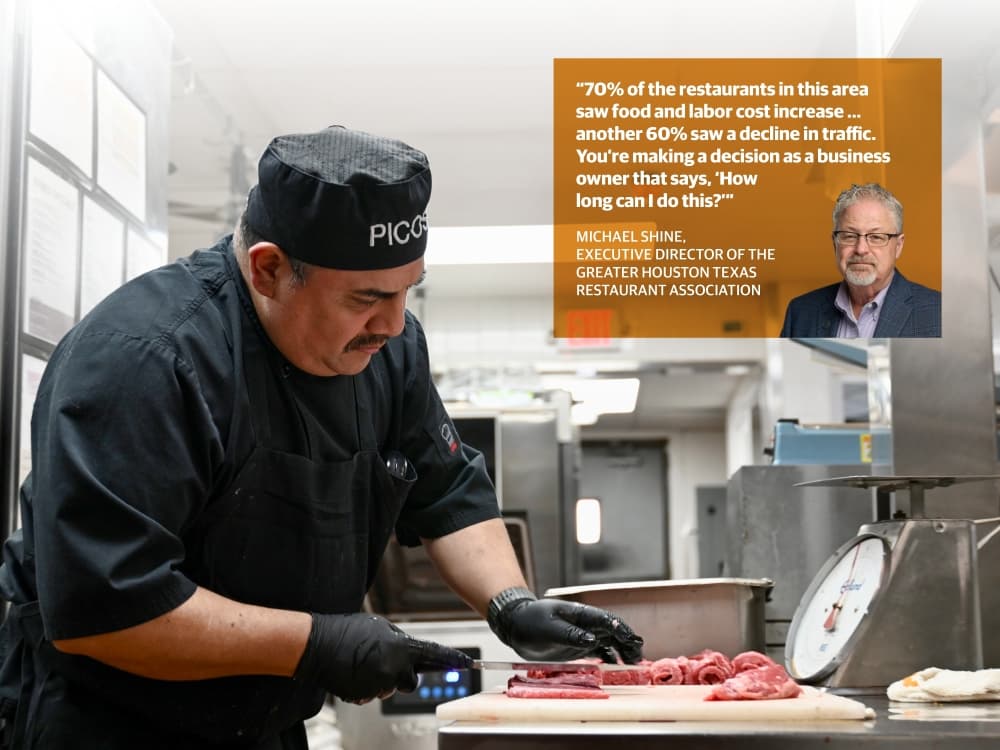
Arnaldo Richards, owner of local Mexican restaurant Picos near River Oaks, said he planned to close his restaurant after four decades of business due to the decline in foot traffic.
“There’s a certain threshold ... where you start deciding if you’re going to stay open or not [and] if it makes economic sense,” Richards said. “In my case, I have probably subsidized the restaurant for the past 18 months, meaning that I have to pay for everything out of my pocket to cover expenses. That is not sustainable.”
Richards announced the closing of Picos in August, but after an outpouring of local support, he decided to stay open and relocate to a smaller establishment later this year.
A closer look
In 2025, 50% of restaurants in Texas reported that they were not profitable, according to a March presentation from Kelsey Erickson Streufert, chief public affairs officer of the Texas Restaurant Association.
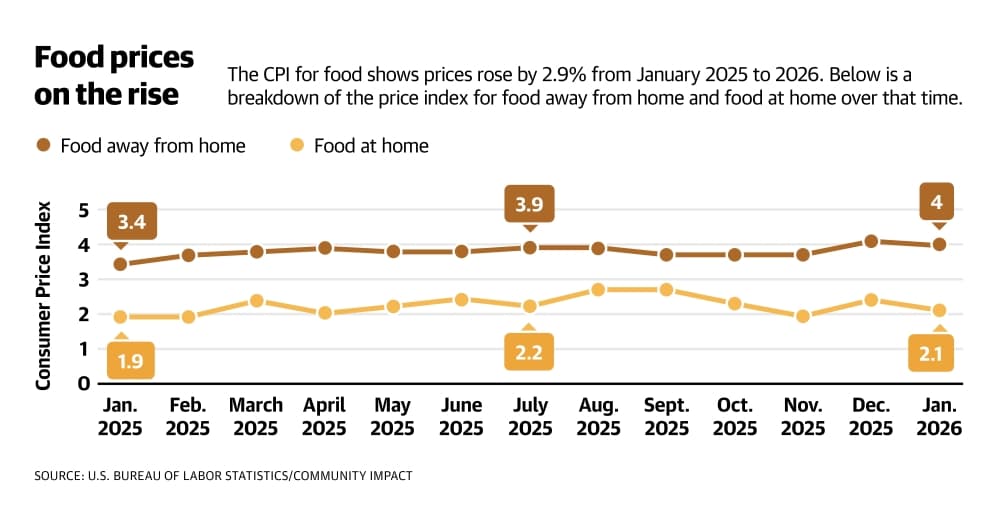
Data from the U.S. Bureau of Labor Statistics also showed that among energy, shelter and transportation services, the 12-month percentage change for the Consumer Price Index was greatest for food.
The CPI, which measures the average change over time in the prices paid by urban consumers, showed that prices for food away from home, or costs for dining out, were 1.5% higher than those for food at home, such as groceries.
Industry experts contribute part of the issue to the fact that restaurants still haven’t fully recovered from the pandemic.
Put in perspective
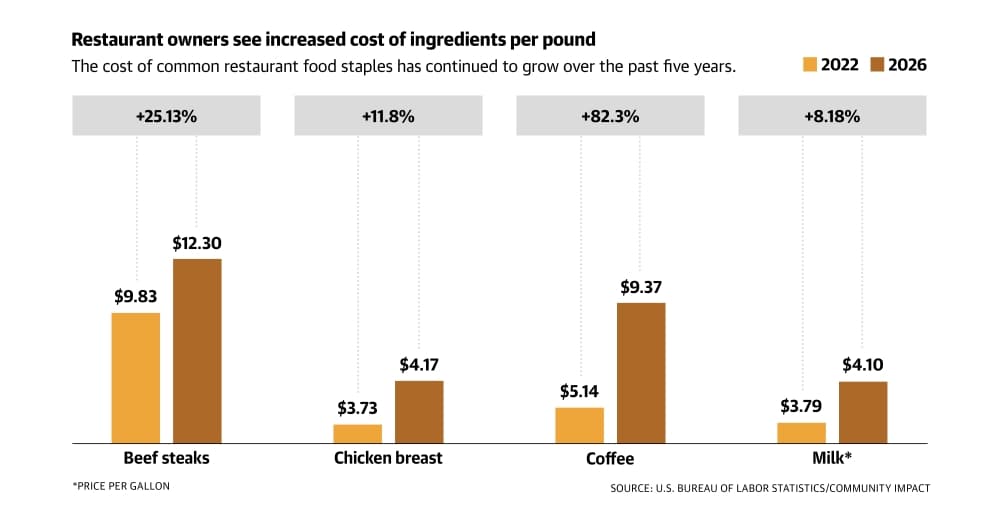
Data from the Texas Restaurant Association also shows that the cost of food is up by more than 30% since the pandemic.
Who it affects
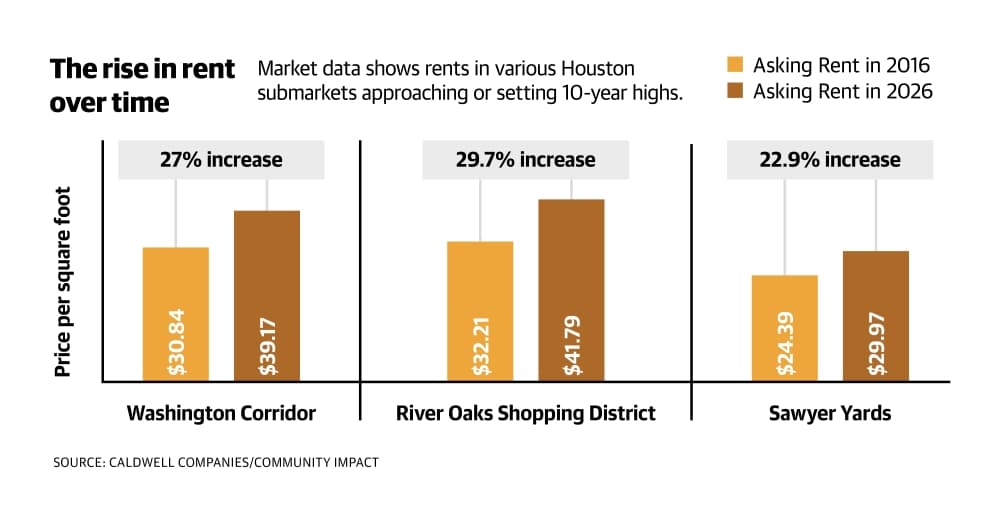
With growing food prices and lower foot traffic, many restaurants are also struggling to meet rent requirements, another factor that has surged in recent years, leading to vacancies.
Data from Caldwell Companies shows vacancies along the Washington Corridor are at a 10-year high of 7.27% in 2025-2026—an increase from 2.5% in 2024-2025.
“We are seeing a slightly accelerated pace of closures, because it has been so difficult to make the businesses work,” restaurant consultant Jonathan Horowitz said. “A lot of people are just kind of throwing up their hands [because] it’s just too hard.”
What's next
Although the price increase in leasing agreements is driving some owners toward closure, Horowitz said landlords are in the same economic position.
“Their costs have gone up, whether it’s insurance or taxes [and] they have to respond to the market just like everybody else,” he said.
Horowitz also said the restaurant industry is not structured to be able to pay incredibly high rents and that, although it is difficult, the trick is to find the equilibrium between the two.
However, with Houston hosting several large-scale events in 2026, such as the FIFA World Cup this summer, restaurants are hoping to see an increase in customer traffic and sales.
“There’s going to be some movement for some areas of Houston, specifically those restaurants inside the loop,” Michael Shine, executive director of the Greater Houston Texas Restaurant Association, said. “Those restaurants close to the action, they’re going to see some real movement, but Houston is so spread out.”