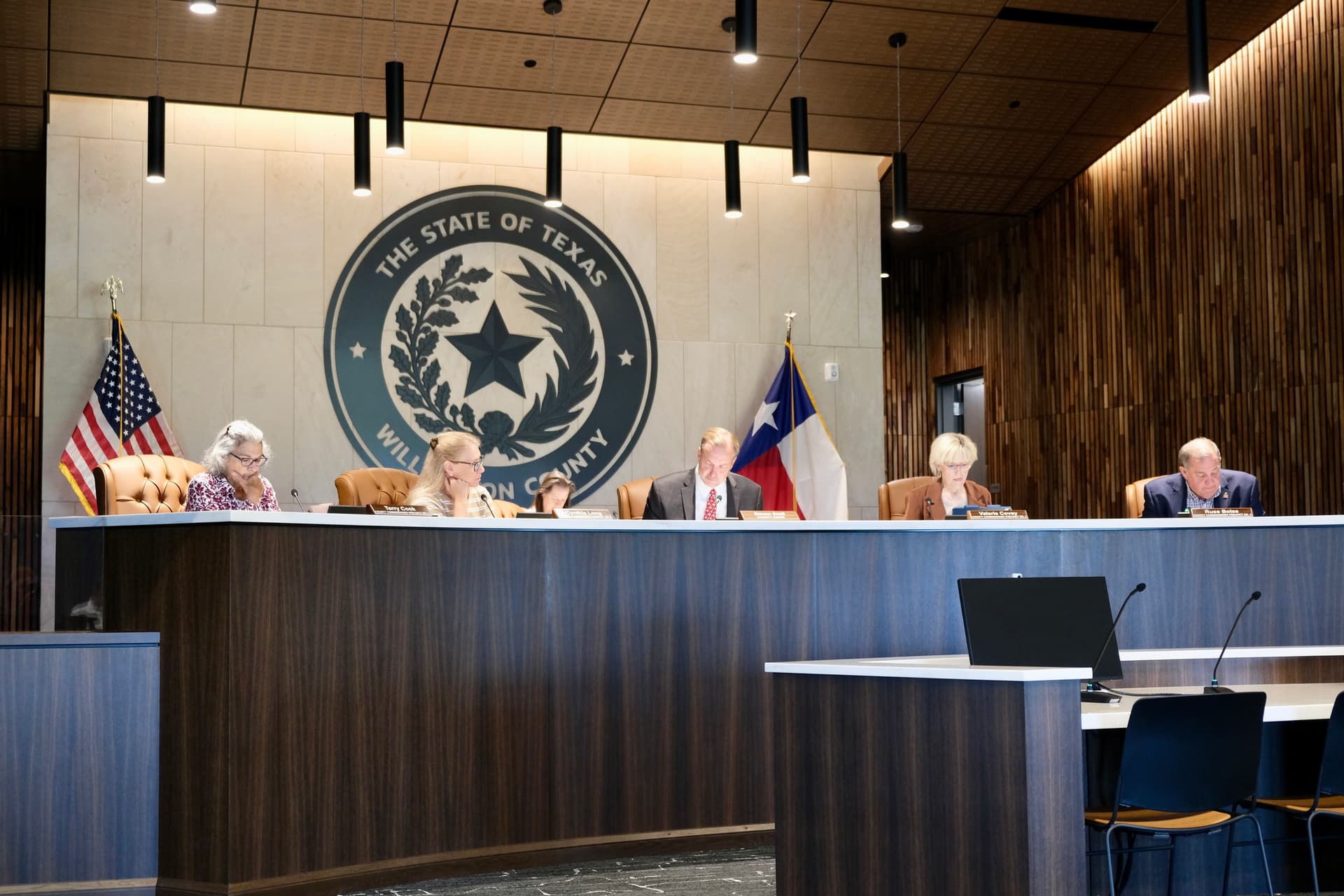
Georgetown’s resident-led legislative task force presented its state policy priorities at an Aug. 25 City Council meeting, as part of a comprehensive Intergovernmental Relations program encouraging engagement at the Capitol.
“These bills have a significant impact on our city and residents, and it's our job to monitor these bills and the conversations happening around them at the Capitol,” Intergovernmental Relations Manager Jacob Reagan said at the Aug. 25 meeting.
The task force gives community members the opportunity to advocate directly to state lawmakers in Austin, officials said.
Learn more
The city’s legislative task force created Georgetown's 2027 State Legislative Agenda, which is a guide to the city’s policy positions at the Capitol. It focuses on three main themes:
- Preserving local control
- Managing growth responsibly
- Maintaining Georgetown's historic character and high quality of life
Based on the document, Georgetown supports preserving local planning, zoning, annexation and extraterritorial jurisdiction development tools, and asserts that new developments should pay an adequate share toward required infrastructure.
Additionally, the city hopes to preserve its nonpartisan municipal elections and simple-majority voting process. Georgetown opposes any state-imposed tax or appraisal caps that restrict the city's capacity to fund infrastructure and services, the document states.
Maintaining local control over city electric, water and wastewater systems is also a major priority, according to the document.
The history
The legislative task force began working on the document in February when City Council members approved a panel of 14 residents, including at least one member from each of the seven council districts.
Between May and July, the task force met six times with city department leaders to discuss Georgetown’s needs and policy challenges, according to city documents.
“[State advocacy] is much more effective whenever it's not elected officials,” District 6 council member Kevin Pitts said at the meeting. “[Legislators] won't listen to us as much, but they will listen to the voters.”
Why it matters
In the last legislative session, there were over 2,000 city-related bills introduced, including 262 that passed, according to city documents. Residents successfully blocked several development bills, which they said were unfavorable, by sending letters and emails, Pitts said.
What’s next
The task force will begin stakeholder and community member outreach based on Georgetown's 2027 State Legislative Agenda, and present the agenda to legislators and staff, according to city documents.