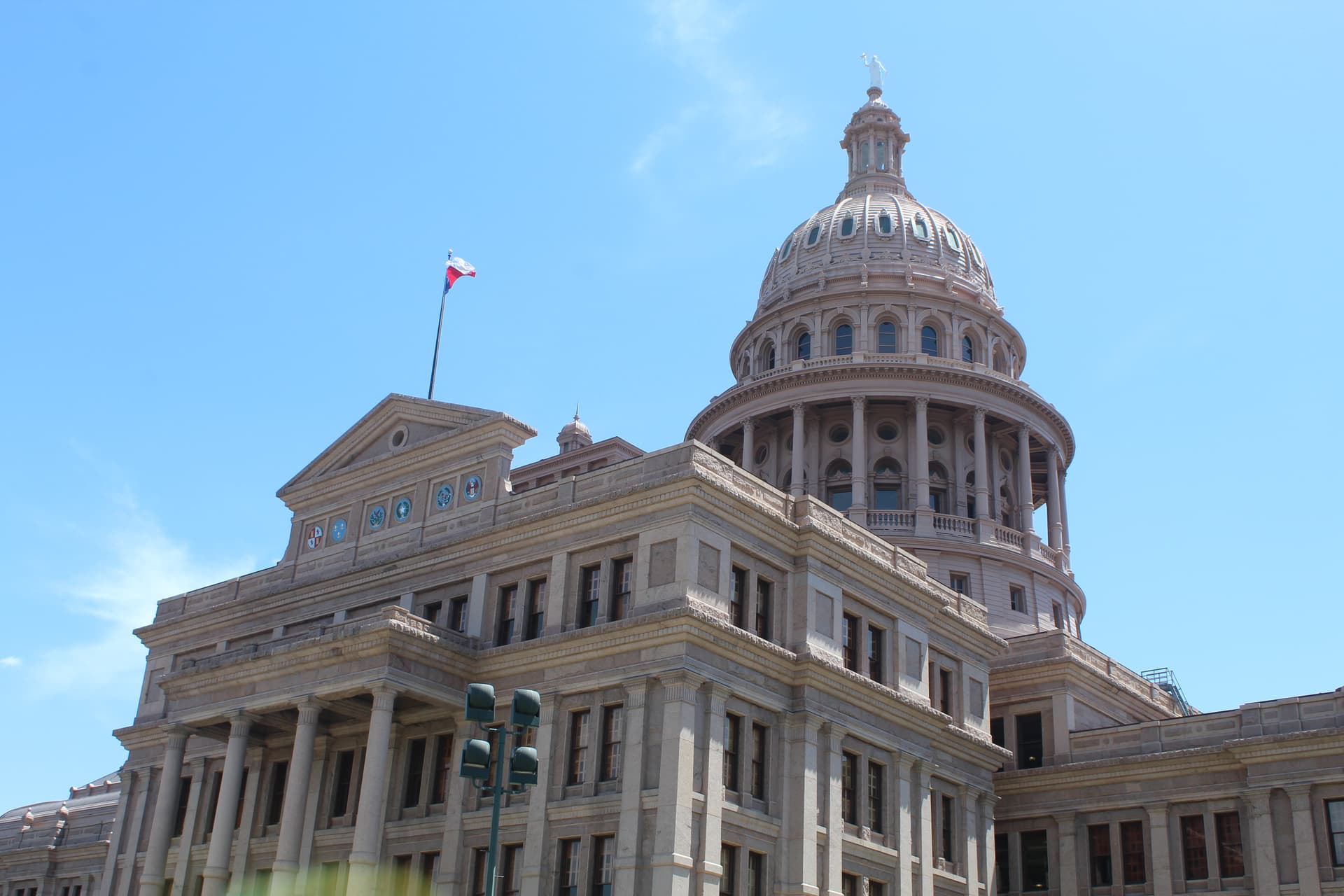
Despite cooler temperatures and some rain moving into the area, the effects of one of Central Texas' hottest summers recorded paired with extreme drought conditions linger.
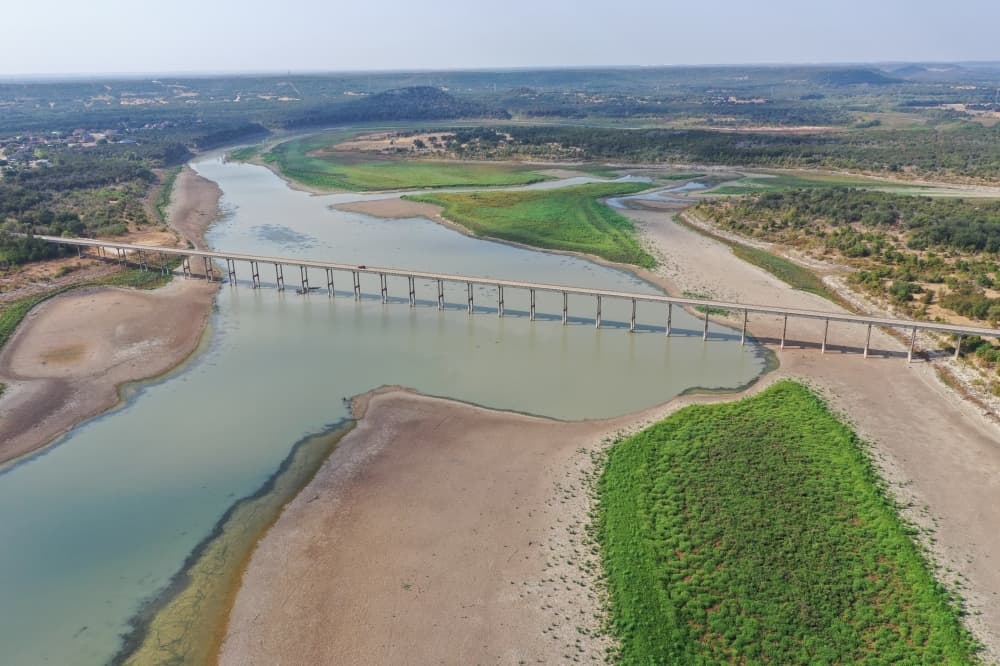
These factors have led to one of Georgetown’s main sources of water—Stillhouse Hollow Lake—to dip to its lowest capacity in 33 years. The city’s other major reservoir, Lake Georgetown, is approaching the same levels it did during the region’s last major drought in 2011.
“A combination of cascading challenges—within our system and regionally—have left us with few options to ensure we maintain safe drinking water for all our customers,” Assistant City Manager Nick Woolery said in a July news release.
Two-minute impact
Central Texas was hit with a double threat this summer: record-breaking high heat and little rainfall. The region has seen temperatures over 100 degrees nearly every day since J•uly •8, causing increased evaporation of local water reservoirs, dried-out soil and increased wildfire risk.
Lakes Travis and Buchanan collectively dipped to 44% capacity in August, the lowest they’ve been since 2013, according to the Lower Colorado River Authority. Other regional water sources, including the Edwards Aquifer, Lake Georgetown and Stillhouse Hollow Lake, are similarly low.
“Given how long our [rainfall] deficits go back and how significant they are, we’ll continue to see drought impacts through the end of this year, almost guaranteed,” National Weather Service meteorologist Keith White said. “The good news about the El Niño, though, is that it will tilt our odds toward wetter conditions by the time we get into the winter time. So we can hopefully start to make up some of those deficits in December, January and February of next winter.”
Exceptional drought—or Level D4 drought—is the most intense drought category on the U.S. drought monitor and occurs when the region experiences 98% dryness. As of Sept. 7:
- 100% of Hays, Travis and Williamson counties are in exceptional drought
- 422,679 Williamson County residents are in drought areas
- 2nd driest July on record in 129 years in Williamson County
Current situation
Georgetown receives water from several sources, including surface water from lakes Georgetown, Stillhouse Hollow and Travis as well as groundwater from the Edwards Aquifer. The city also has an agreement to receive 3 million gallons of water per day from both Leander and Round Rock.
While most city water customers are under Stage 2 restrictions, the western portion of Georgetown’s service area—defined as west of DB Wood Road and southwest of Williams Drive—moved to Stage 3 restrictions in mid-July.
Georgetown’s west side relies heavily on the water contracted from Leander; however, Leander hasn’t been able to provide the full amount of water due to its own drought problems.
Additionally, the Southside Water Treatment Plant is offline for rehabilitation and won’t return to full capacity until October, and the three pump stations that also serve the area have not been able to keep up with demand, Georgetown Communications Manager Keith Hutchinson said.
The city is building a new water treatment plant on Lake Georgetown that will more than double the water utility’s treatment capacity by 2026.
Diving in deeper
Drought conditions in Georgetown have been exacerbated by the area’s fast-growing population and heavy demand for water for outdoor irrigation.
Water demand exceeded 95% of Georgetown’s water supply multiple times in early August, and more than 75% of treated water used each day is going toward lawns and landscaping.
Georgetown officials announced at a July news conference that they were issuing about 150 citations a day for residents who didn’t abide by the drought restrictions.
Beyond the required drought restrictions, Georgetown officials have been encouraging residents to conserve water through rebate programs.
Georgetown water customers can shave money off their bill by installing an efficient irrigation system, investing in a rainwater collection barrel or xeriscaping—planting native perennials that require less water to maintain.
What's next
Central Texas will need to see weeks of heavy rainfall, specifically near Fredericksburg to refill water basins, to end drought conditions, said Aaron Abel, water services manager for the Brazos River Authority.
“That’s what we’re hoping for, but in the meantime, we’ve got to do what we can to extend the last of the water supply in these reservoirs, and that’s by enacting our drought contingency plans and trying to reduce water use,” Abel said.
Regional water solutions
To secure future water supplies, Georgetown leaders signed an $11.8 million two-year agreement Aug. 9 to reserve water from the Carrizo-Wilcox Aquifer in Robertson County. The agreement reserves 32 million-55 million gallons of water per day with initial delivery in 2030.
"Securing additional, diverse, raw-water supplies is important for Georgetown’s future," Georgetown City Manager David Morgan said.
Individual solutions
Kristen Parkhurst, the marketing director of lawn care services company Emerald Lawns, offered several tips on how residents can preserve their lawns and conserve water.
- Plant drought-tolerant grasses, such as Bermuda and Zoysia.
- Utilize top dressing, which adds nutrients back into soil after it's been depleted by the sun.
- Aerate soil to loosen compact soil, which restricts root growth.
- Consider xeriscaping, a landscaping process that requires little irrigation by utilizing succulents, mulch and other drought-tolerant plants.