Editor's note: This story has been updated with additional information from Frisco ISD.
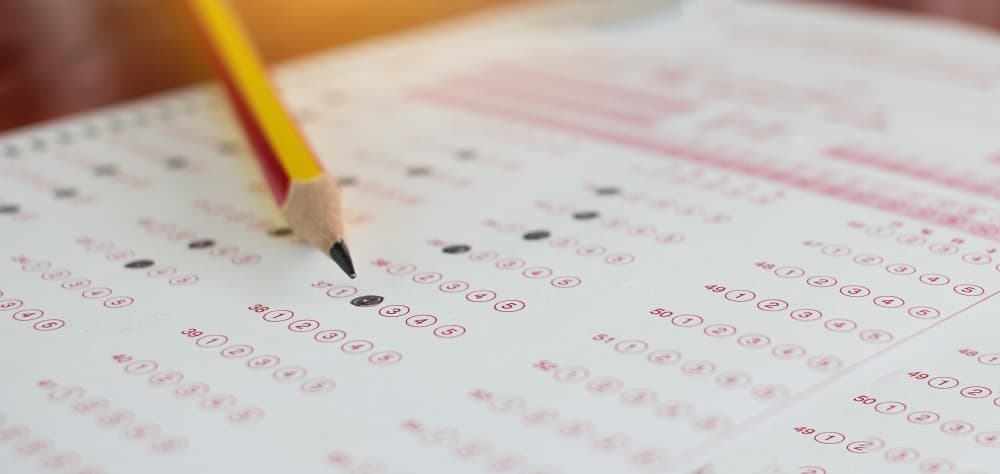
Results for the State of Texas Assessments of Academic Readiness revealed that statewide, students across all grade levels suffered learning loss due to the pandemic.
The Texas Education Agency released final scores on June 28, which include exams for reading and math in grades three through eight, and high school end-of-course exams in Algebra I, English I and II, Biology and U.S. History.
Compared to 2019, there were more students across the state who did not meet grade-level standards across all subjects, with the exception of English I and II. As a subject, math saw the highest decline in proficiency in every grade level, according to a news release from the TEA.
“The data may be disheartening, but with it, our teachers and school leaders are building action plans to support students in the new school year,” TEA Commissioner Mike Morath said in the written release.
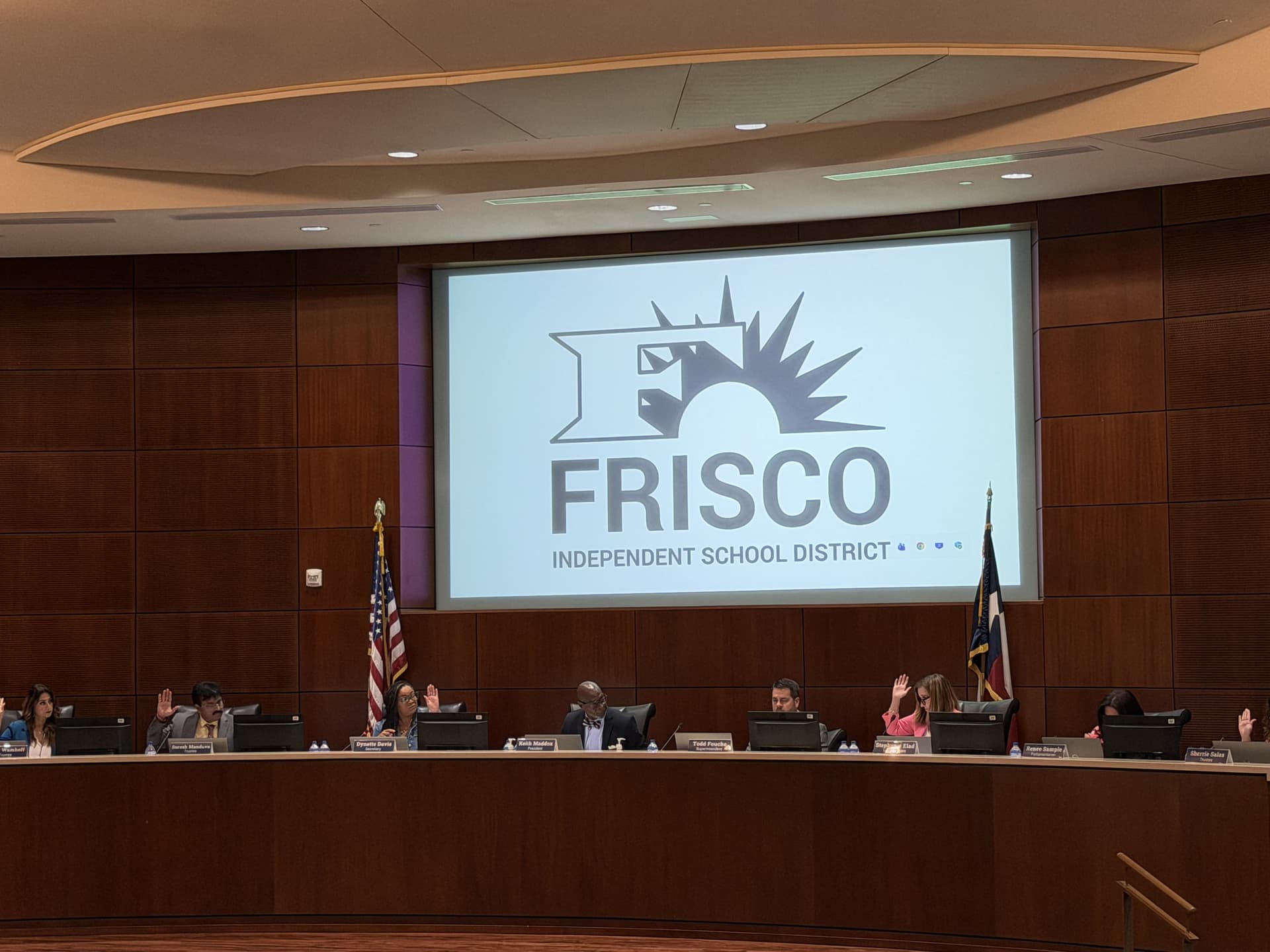
Frisco ISD followed the statewide trends, with the largest gaps showing up in math scores. In 2019, 87% of FISD third-graders met state math standards, while 77% of students met them this year.
FISD high school students fared better than their peers across the state. While most end-of-course exams saw slight decreases in satisfactory scores, all of the subjects had more than 90% of students approaching grade-level standards. English II was the only subject that saw an increase in students meeting expectations, with 91% in 2019 jumping to 93% this year.
Meghan Cone, FISD’s assistant director of communications, said even though the official results have been posted, the data is still incomplete due to the decrease in students who took the tests this year.
The district normally has about 98% participation in STAAR, but this year, that number dropped by 6%-8% at each campus, with some schools having only 85% of students take the tests, Cone said in a written statement. The state mandates in-person testing for STAAR, which means some students who chose to learn virtually did not take the tests.
Statewide data suggest that districts that had the majority of their students learning remotely saw the largest decline in STAAR proficiency scores. However, FISD virtual learners outperformed in-person learners in every STAAR subject except Algebra I.
Though it is still unclear how reduced participation impacted overall passing percentages, district data suggest that students who opted out of testing would have excelled on the tests, Cone said.
“Virtual learning is not the answer for all students,” Superintendent Mike Waldrip wrote in a letter to state leaders on June 30. “But it is also not necessarily the cause of all our woes.”
In the letter, addressed to Morath, Governor Greg Abbott and others, Waldrip outlined additional factors that may have contributed to lower scores across the state.
Waldrip wrote that the TEA should consider the context of the learning loss. Comparing the 2018-2019 school year scores to 2020-2021 omits the 2019-2020 school year, the last three months of which were disrupted by the pandemic. That abrupt change led to some students entering the new school year with a disadvantage, he wrote.
He also highlighted that while FISD educators were able to rewrite most of their curriculum to accommodate remote learners, many districts lacked adequate time to create effective online programs.
Moving forward
FISD is also waiting on more data about student performance.
“Districts have not yet received detailed results regarding which standards, or specific components of the Texas Essential Knowledge and Skills (TEKS), where students excelled or struggled,” Cone said in a statement. “That data is helpful in building an informed and targeted response.”
She added that educators will use “other measures, in addition to STAAR, to plan for student learning and needed interventions.”
Earlier this month, FISD announced $6.1 million in federal grant money will be designated for academic, mental health and social-emotional support for students.
The money comes from a coronavirus relief law passed by Congress in March and will help students over each of the next three school years.
The district’s website outlines strategies for each area of the support programs. For students who may have lost learning skills due to the pandemic, additional services such as speech therapy, physical therapy and remediation will be available.
The district has also offered a Summer Bridge program for the last two years, which consists of free, online content “designed to help [students] fill in learning gaps” and prepare for the next school year. Students can use their STAAR results as a guide for subjects to study, or they can take an online assessment at the beginning of the course to identify improvement areas.
Morath encouraged parents to visit https.texasassessment.gov to understand how their children learned this year’s material and how to best support them moving forward.
“Armed with the best information, working closely together, and with significant new supports from the Texas Legislature, we will provide stronger academic growth for students than ever before,” Morath said.
Danica Lloyd contributed to this report.