Dallas Area Rapid Transit is working to modernize its technology and services as well as improve access to bus stops and stations in Richardson.
DART officials presented an update on projects in the city as well as upcoming initiatives to City Council on June 15.
What’s happening
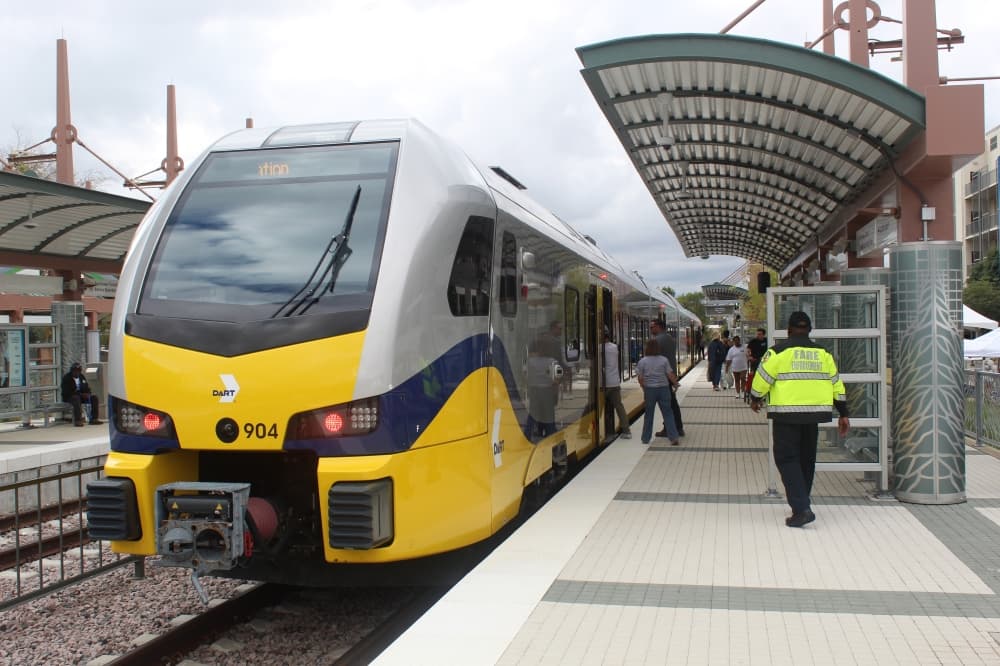
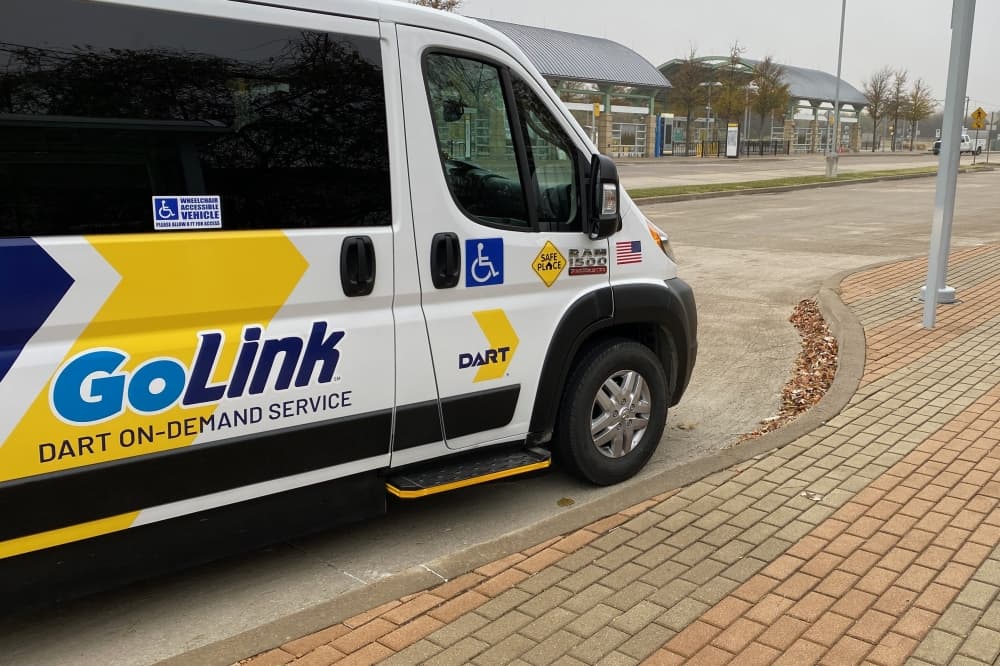
Richardson DART services include two Silver Line stations, four stations with Red and Orange lines during peak times and the World Cup, 10 bus routes, two site-specific shuttles, East Telecom GoLink and paratransit services.
Trey Walker, DART’s interim executive vice president and chief development officer, said DART is pursuing modernization initiatives across its system, including:
- Modern bus shelters with real-time information, enhanced lighting and roofs
- New ticket and tap card vending machines
- Updated passenger information displays
Walker said delivery is currently in progress for a new fleet of buses, and the agency is also looking to procure new low-floor light rail vehicles.
“Seeing that you guys are investing in the necessary upgrades for the basic [services] is something that every single city should be super happy about,” council member Joe Corcoran said.
Also of note
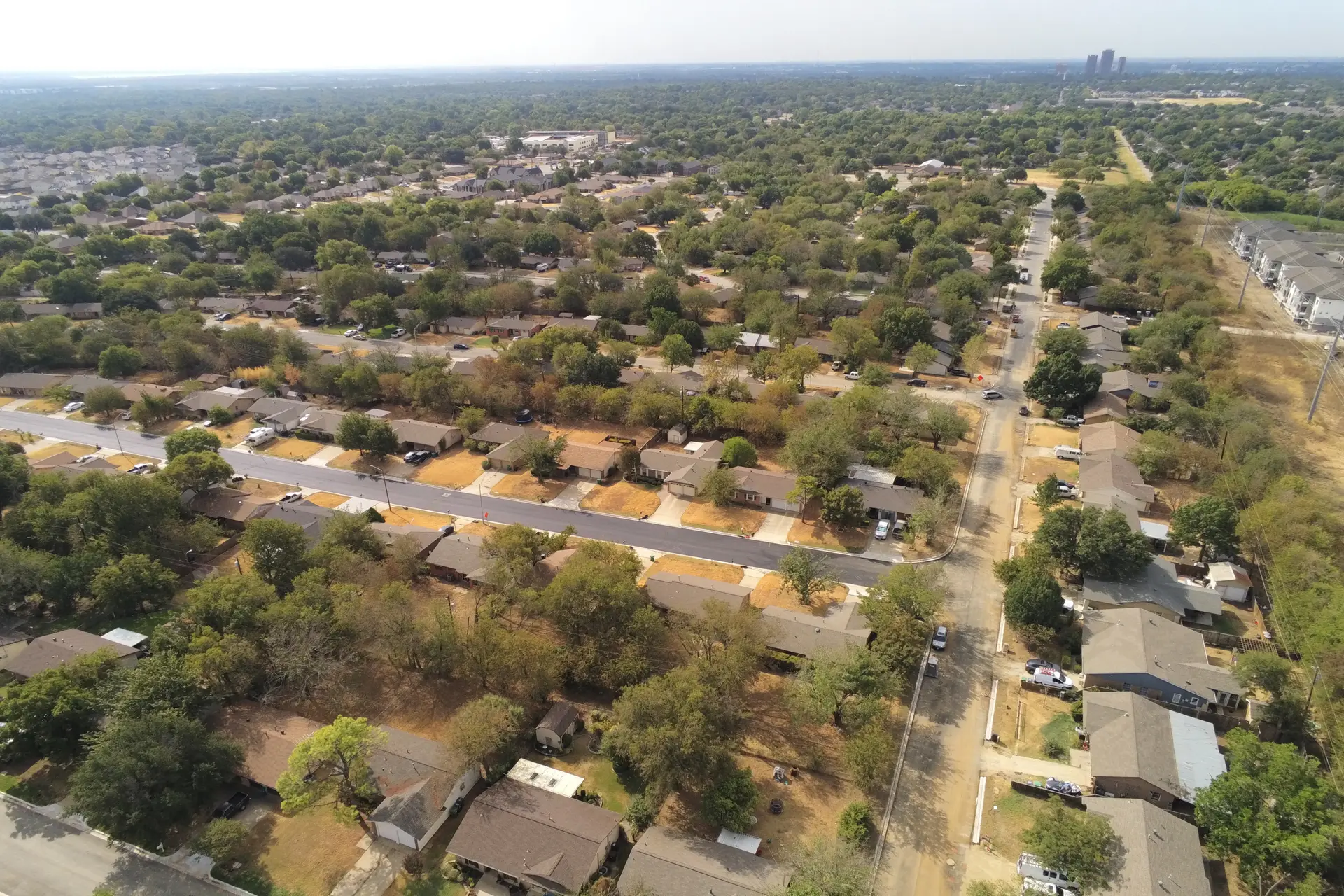
DART also completed an area plan in Richardson last year, Walker said, which examined mobility needs specific to the city. Walker said DART aims to improve access points to the transit system for pedestrians and other transit users.
“We want to make sure that we’re building safe and inviting environments for folks to be able to make those connections,” Walker said.
Walker highlighted pedestrian and biking improvements near Arapaho Center Station as well as improvements along Spring Valley Road, which included relocating bus stops to align with crossing locations and installing infrastructure improvements.
In fiscal year 2026-27, DART will work with the city to implement crossing improvements along Renner Road near the University of Texas at Dallas to ensure safe connections to DART bus stops.
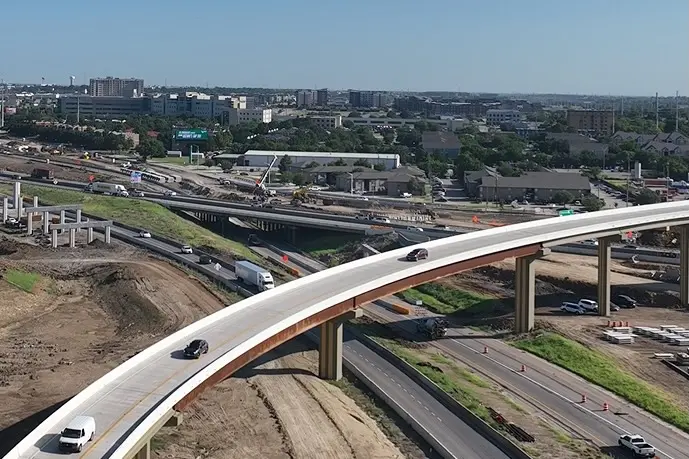
DART also completed installation of the first of two arches that will span US 75 on Richardson’s Silver Line bridge. Walker said the second arch will be installed in mid-July.
Some context
General ridership across the DART system is trending down, said interim president and CEO David Leininger, which he attributed to service reductions made in the fall and rising gasoline prices.
“Some of the ridership is because we have less service on the street, but it’s never good when you see ridership trending down,” Leininger said. “That’s got to be a focus of the system. We’ve got to get more riders on all the modes."
Since opening in October, Walker said the Silver Line has seen an increase of roughly 200 individuals a month for weekday trips. He said he expects further increases in Silver Line ridership.
Roughly two-thirds of DART riders are at or below the poverty line, DART board chair Randall Bryant said, and the transit agency has historically focused on providing for those users who depend on DART as their primary transportation option. However, Bryant said DART is also working to improve the transit experience for the other segment of riders who do have other transportation options.
“They obviously have options, whether that’s Uber, whether that’s driving themselves or carpooling,” Bryant said. “We haven’t always thought of them as a top line, and that’s where some of our focus has been shifted to right now.”
Looking ahead
DART and its member cities approved a new six-year funding plan that reallocates a proportion of sales tax income back to cities for use on transportation projects. Richardson is set to receive $26.1 million over the next six years, with the first allocation to be distributed by Oct. 1.
Cities have until June 30 to propose projects to DART, Bryant said.
“DART has never denied a request or a project, and so long as you all maintain those high-quality standards, we look forward to keep putting things in your city,” Bryant said.