Plano is starting to see the effects of a recently approved state law meant to boost apartment development.
Two-minute impact
Senate Bill 840 was approved last legislative session and went into effect Sept. 1. It allows multifamily residential developments in all nonresidential zoning districts by right.
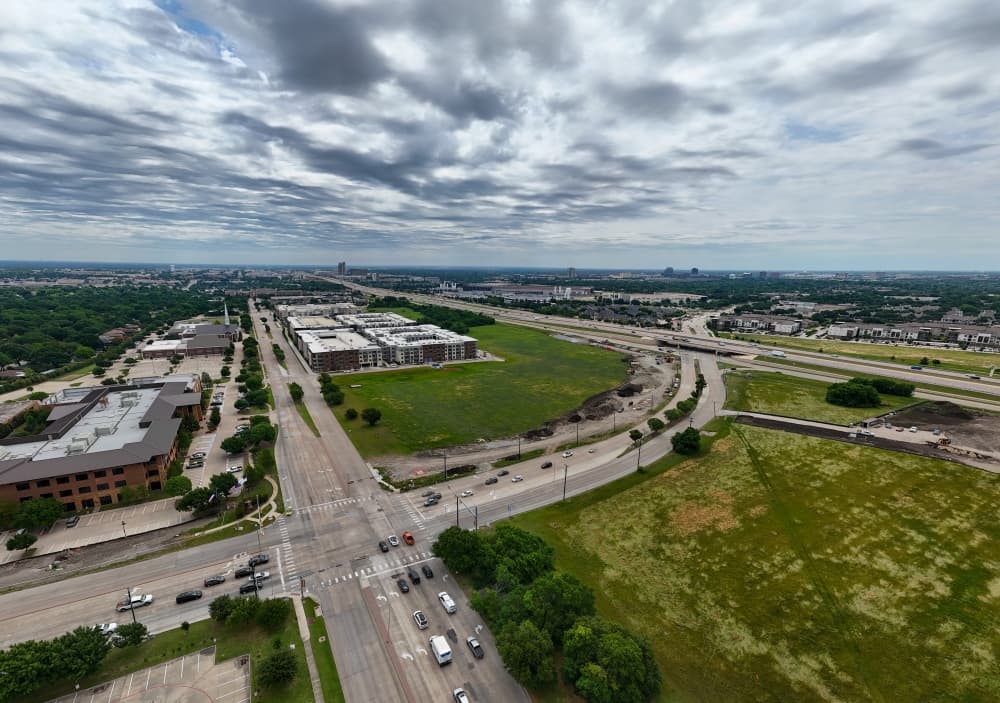
There are currently three planned multifamily developments under SB 840 submitted to the city, Plano Director of Planning Christina Day said, accounting for 827 incoming apartment units. Two of the developments are on the north and south sides of Mapleshade Drive, while the third is located in northwest Plano.
Other multifamily developments, including Heritage Creekside and a planned Watermere independent living facility, have also been impacted by the legislation.
Day said SB 840 supersedes the city’s comprehensive zoning planning, adding “uncertainty” to the future of development in Plano. She added that the law establishes a uniform set of development standards, with most related inquiries “wanting to do four- or five-story products.”
“One of the priorities for Plano neighborhoods is to encourage a variety of housing, heights, sizes and types,” she said. “That’s driven by the planning principles of trying to be a full-life-cycle community—where we want to have housing that fits people at all stages of life.”
The approach
City officials are also factoring SB 840 into other development decisions.
City Council approved a 250-unit independent living facility set for the former Plano Athletic Club at the corner of Park Boulevard and Ohio Drive on April 13. Five council members noted concerns about a possible SB 840 development at the site as a reason for approving the plan.
“Under SB 840, what could potentially be constructed at this site if we decline this proposal would likely be much more dense and objectionable,” council member Steve Lavine said.
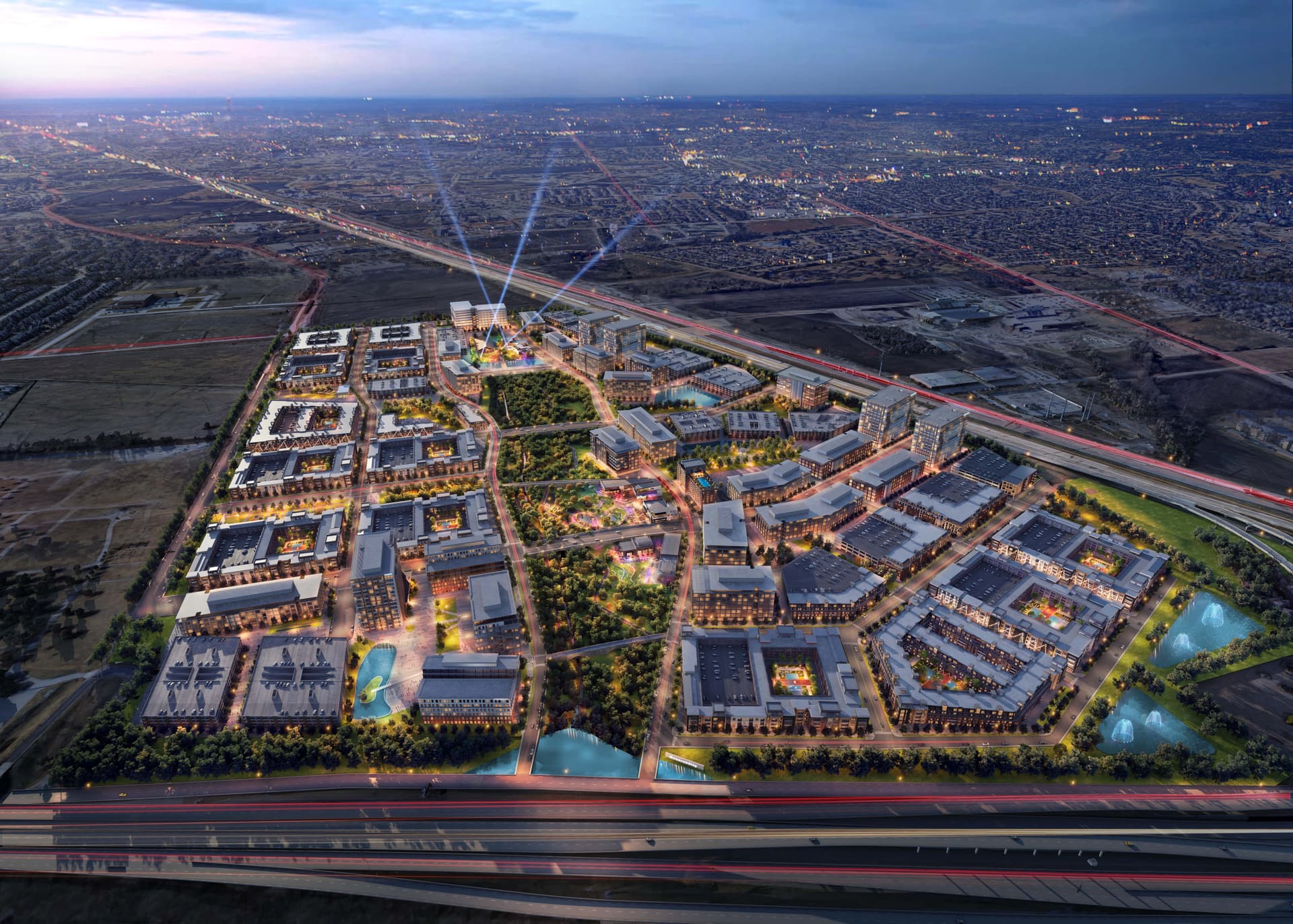
Similar concerns arose when council approved an update to Heritage Creekside’s development plan March 23. Developers nixed plans for more than 1.2 million square feet of office and retail space in favor of 700 additional apartments at the east Plano mixed-use development.
Diving deeper
Lawmakers cited a need for more housing across the state when passing SB 840.
Demand for housing in Plano is expected to outpace supply by 2,228 units by 2027, according to the city’s most recent housing needs study, completed last June.
“SB 840 will offer a lot of development opportunities,” local developer William Cravens said. “It would open up many vacant and unusable properties to viable commercial development.”
According to the study, Plano is also short on affordable housing.
As of 2023, 9,337 Plano households qualified as “extremely low income”—making 30% or less of the city’s median annual income. The data estimates that demand for affordable housing outpaced supply by 5,361 units.
As a result, more than 67% of extremely low income households are cost burdened or severely cost burdened, meaning they spend more than half of their monthly income on housing costs.
What’s next
Day said none of the planned SB 840 developments will be affordable housing. A city spokesperson also confirmed that the city did not receive any applications for its housing tax credit program this year, which uses state funds to offset construction costs for affordable housing developments.
Plano adopted several ordinances in order to retain “a little bit of control” over SB 840 developments, Day said. Updates to the city’s development policy include height limits, minimum unit sizes, allowing townhomes in all zones where multifamily is now allowed and prohibiting residential balconies facing expressways.
Plano residents will also see signs at all SB 840 developments denoting that they are “allowed due to state law, not city jurisdiction.”