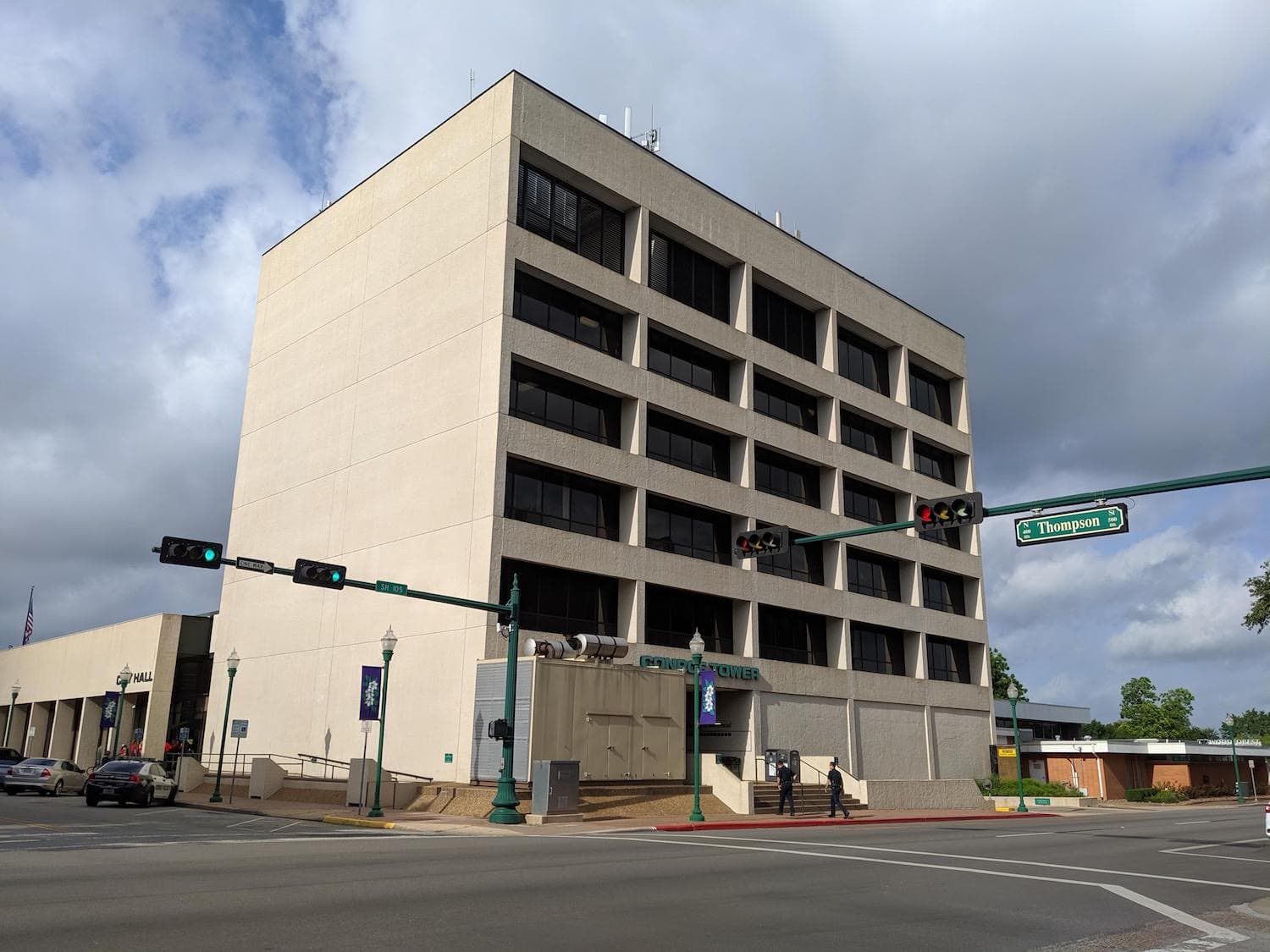
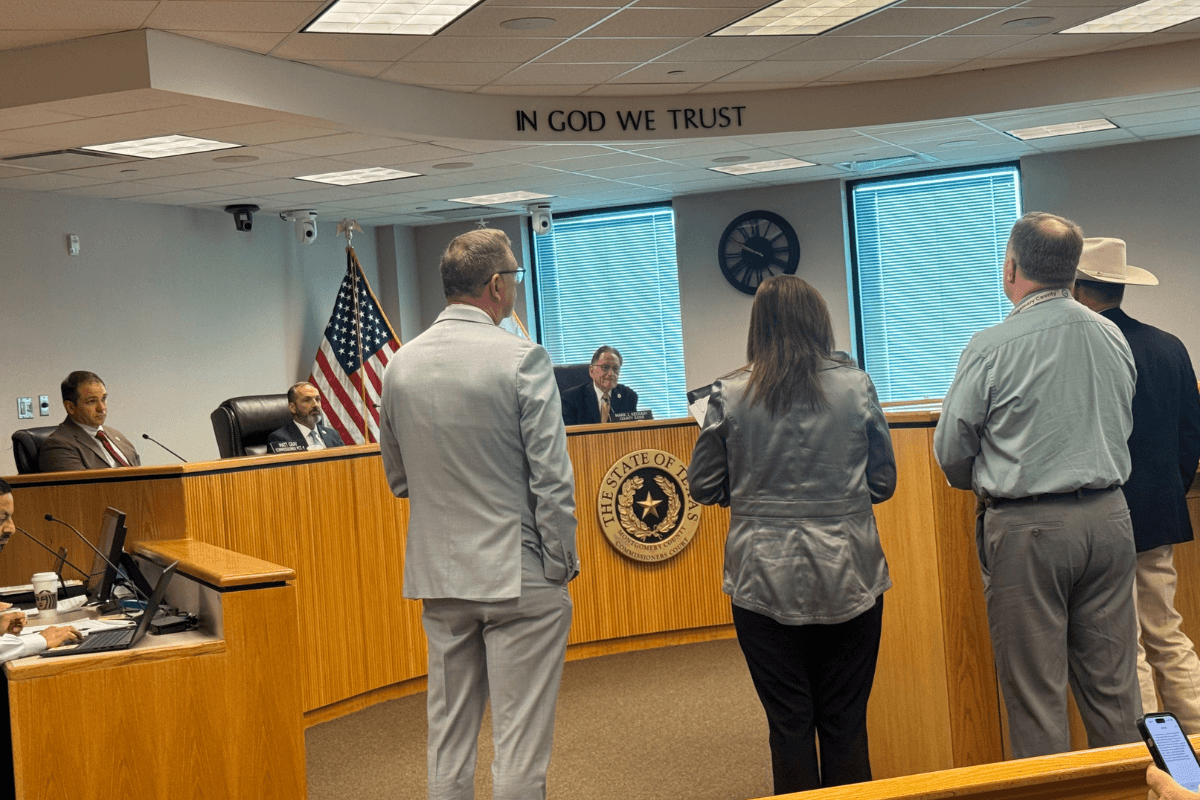
Conroe City Council approved new regulations Aug. 13 governing how data centers could be developed and operated in the city, as officials said there is already interest in bringing the industry to Conroe.
The details
The ordinance adds regulations covering permitting, construction, operation, decommissioning and public transparency for data center facilities.
Newly appointed Community Development Director Brandy Taylor said the goal was to put protections in place before a project moves forward.
“The reason for bringing this forward is to really have a mechanism in place so we can protect our infrastructure and our taxpayers,” Taylor said.
Taylor later told council there is already “some interest here in Conroe,” but she did not identify a company or proposed site during the discussion.
Without the ordinance, Taylor said the city did not have the same mechanisms in place to ensure infrastructure costs tied to a data center would fall on the developer rather than the city.
What you need to know
Under the ordinance, Conroe is open to data center development that is compatible with the community and existing infrastructure. A developer must demonstrate adequate water, sewer, street, drainage, signal and electrical capacity, while costs for infrastructure needed to serve the development must be funded by the owner.
The ordinance defines a data center as a facility with an aggregate designed critical information technology electrical load or capacity of at least 75 megawatts.
Taylor said applicants will also have to submit 37 required items before the permitting process can begin, including water capacity information, an Electric Reliability Council of Texas grid study, noise and vibration assessments, emergency response planning, traffic analysis and a decommissioning plan.
“We would not move forward until it’s a complete packet,” Taylor said.
The regulations require water capacity for permit approval and call for closed-loop cooling or similar technology designed to avoid continuously drawing water from the public supply. Data centers must also have on-site emergency power generation capable of maintaining critical systems for at least 72 hours during utility interruptions. Operational noise cannot exceed 5 decibels above ambient sound levels at the property line, with corrective measures triggered when noise reaches 3.5 decibels above ambient levels.
The ordinance also establishes a 300-foot minimum separation between a data center property and properties containing residences, commercial uses, child care facilities, schools, hospitals, parks and other listed uses.
A closer look
A data center cannot receive a permit without City Council approval, and the process includes public notice and a public hearing.
Before an application is filed, the operator must mail notice to property owners within 2,000 feet of the proposed site and notify registered neighborhood associations within 3,000 feet.
Additional notice is required ahead of the public hearing, including notice to specified property owners and uses within 3,000 feet.
Taylor said the city would also require a sign at the site and newspaper notice and supported using social media to further alert residents.
“That way the citizens can come to the public hearing, voice their opinions, ask questions,” Taylor said.
If additional technical expertise is needed, Taylor said the ordinance allows the city to bring in outside help at the developer’s expense.
“If at some point the city felt like we needed an outside consultant ... they bear the cost of that as well,” Taylor said.
What residents are saying
Several residents urged council to go further with the regulations.
Montgomery County resident Moniqua' Scott questioned whether the 300-foot separation requirement was enough to protect nearby residents and children.
“Why was the 300 feet selected?” Scott said. “What evidence says that is enough distance to protect residents and children?”
Scott also raised concerns about water, wastewater and electrical infrastructure, telling council she believes disclosure is not protection and asking the city to ensure residents do not absorb costs created by a private data center.
Conroe resident Josh Graff similarly called the ordinance “a great start,” but said it did “not go far enough.” Among his requests were stronger provisions related to light and noise pollution, water conservation, emissions and ensuring infrastructure and utility costs are not shifted to taxpayers.
Council member David Hairel also raised several items he wanted the city to continue examining, including beneficial ownership disclosures, generator emissions, cumulative impacts if multiple data centers locate in the area and protections for decommissioning a facility.
What’s next?
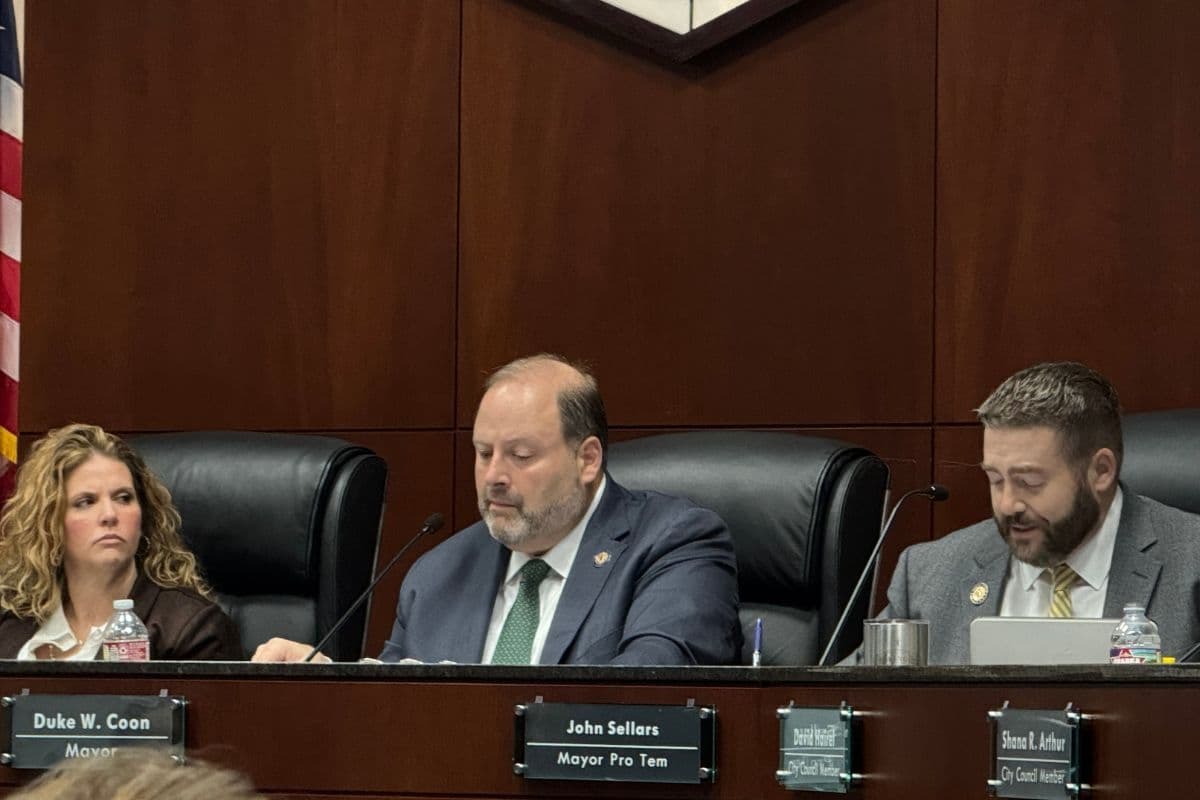
Mayor Duke Coon described the ordinance as a starting point that could be strengthened over time.
“At this moment, the city has no protection,” Coon said before the vote, adding that the city needed to begin the process and “work to refine this along the way.”
Council members specifically asked whether they could come back and tighten the ordinance as soon as a future meeting.
“Absolutely, we can revise it at any time,” Taylor said. “But without moving forward today, we do not have the protection that we need.”
Coon said staff could bring amendments back as needed before council approved the ordinance.
If a data center application is ultimately filed, the city estimates the process would take about 120-150 days after all requirements are obtained and applicable fees are paid. Incomplete applications or required corrections could extend that timeline.
The process includes technical review and a City Council public hearing before council can approve, approve with conditions, deny or request modifications to an application.