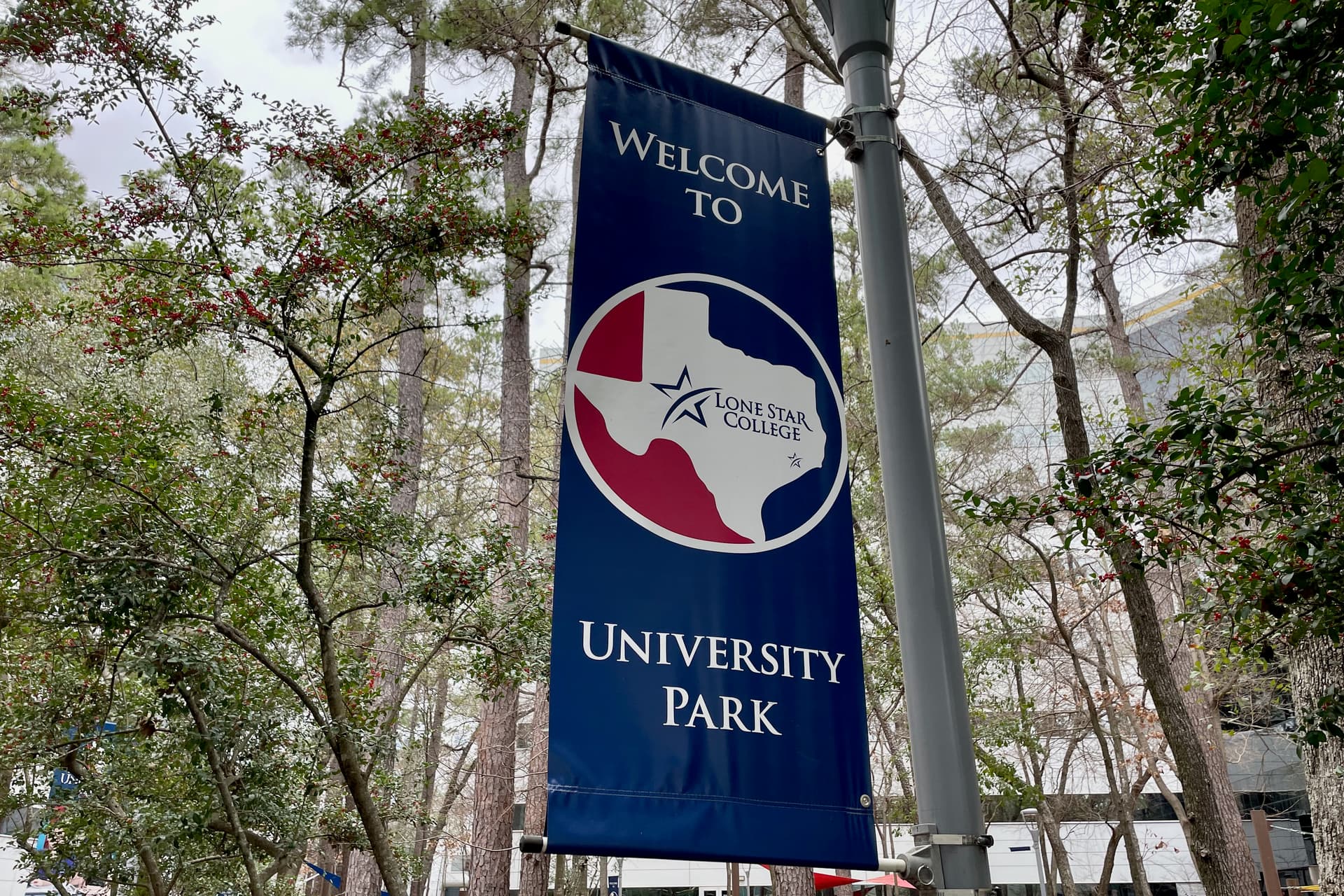
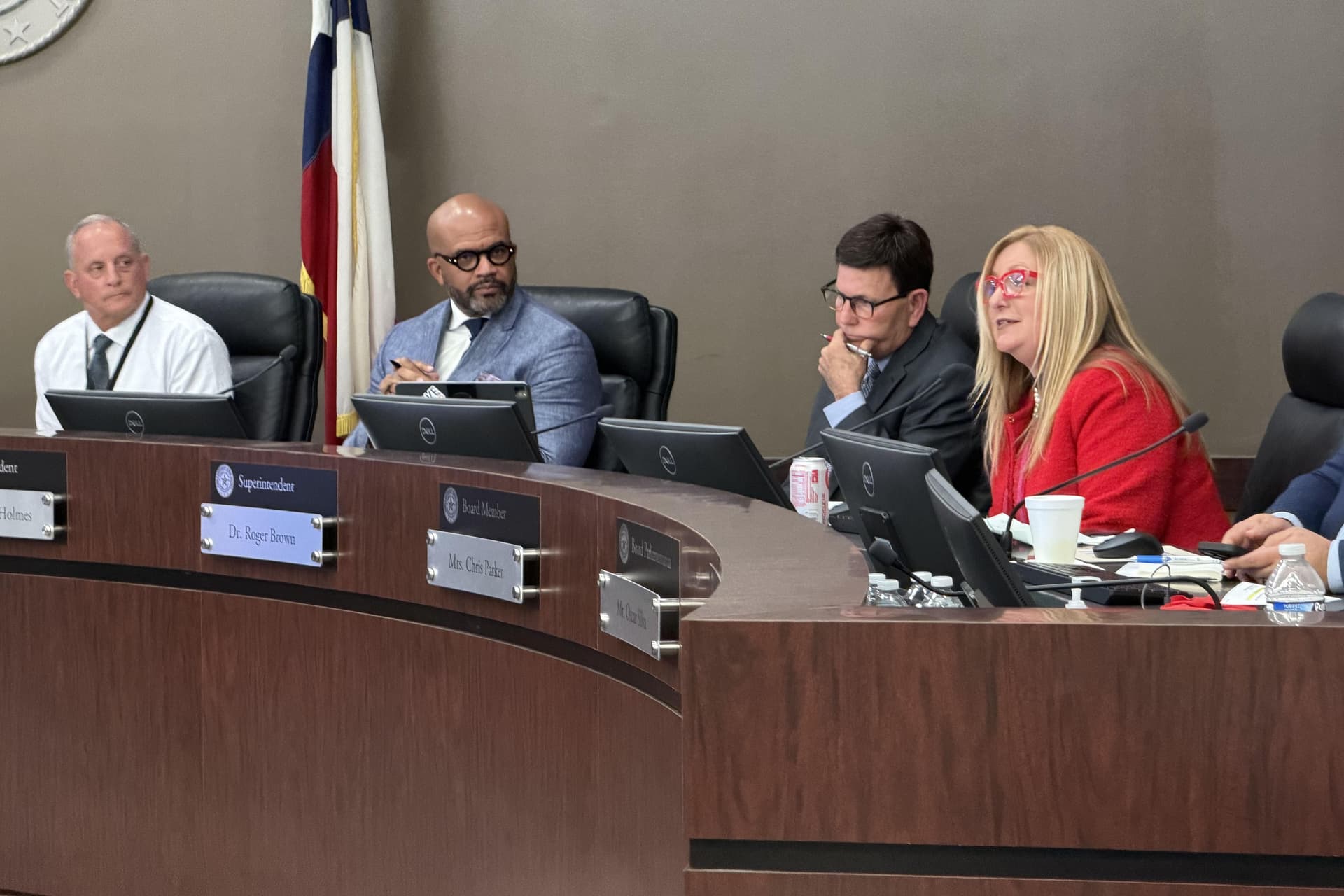
On Oct. 1, Lone Star College System’s board of trustees unanimously approved a fiscal year 2026-27 tax rate, which is expected to generate about $356 million in tax revenue for the college system.
Two-minute impact
LSCS's FY 2026-27 total tax rate is $0.1058 per $100 valuation, according to Oct. 1 meeting documents. LSCS budgeted for the total tax rate to bring in $356.2 million in FY 2026-27, which is 2% more than the local tax revenue budgeted for FY 2025-26, approved in August 2025.
The college system’s FY 2026-27 total tax rate is $0.0002 lower than the FY 2025-26 total tax rate of $0.106.
What you need to know
With the new FY 2026-27 tax rate for LSCS, some taxpayers within the Harris Central Appraisal District are expected to see a drop in the LSCS portion of their annual property tax bill for FY 2026-27 compared to FY 2025-26.
Meanwhile, some taxpayers within the Montgomery Central Appraisal District and the San Jacinto County Appraisal District are expected to see higher FY 2026-27 property tax bills, since the median property value increased year over year.
Even though LSCS's tax rate is lower, taxpayers could still have a higher tax bill if:
The taxpayer’s home or land value increases
The taxpayer loses a property tax exemption
The property value exceeds the 10% appraisal cap
Diving deeper
According to LSCS meeting documents, the FY 2026-27 total tax rate is made up of:
A maintenance and operations, or M&O, rate of $0.0839 per $100 valuation
An interest and sinking, or I&S, rate of $0.0219 per $100 valuation
Bond debt can only be paid off via the I&S portion of the total tax rate, while the M&O portion can only be used for the college system's operations, including employee salaries and utilities. LSCS leaders are hoping to pay off $404 million in bond debt by approximately 2030 or 2031 using the I&S rate, as previously reported.
A quick note
On Aug. 6, Lone Star College System’s board of trustees unanimously approved a balanced $577.5 million budget for fiscal year 2026-27, which features 2% raises for full- and part-time employees, as previously reported.