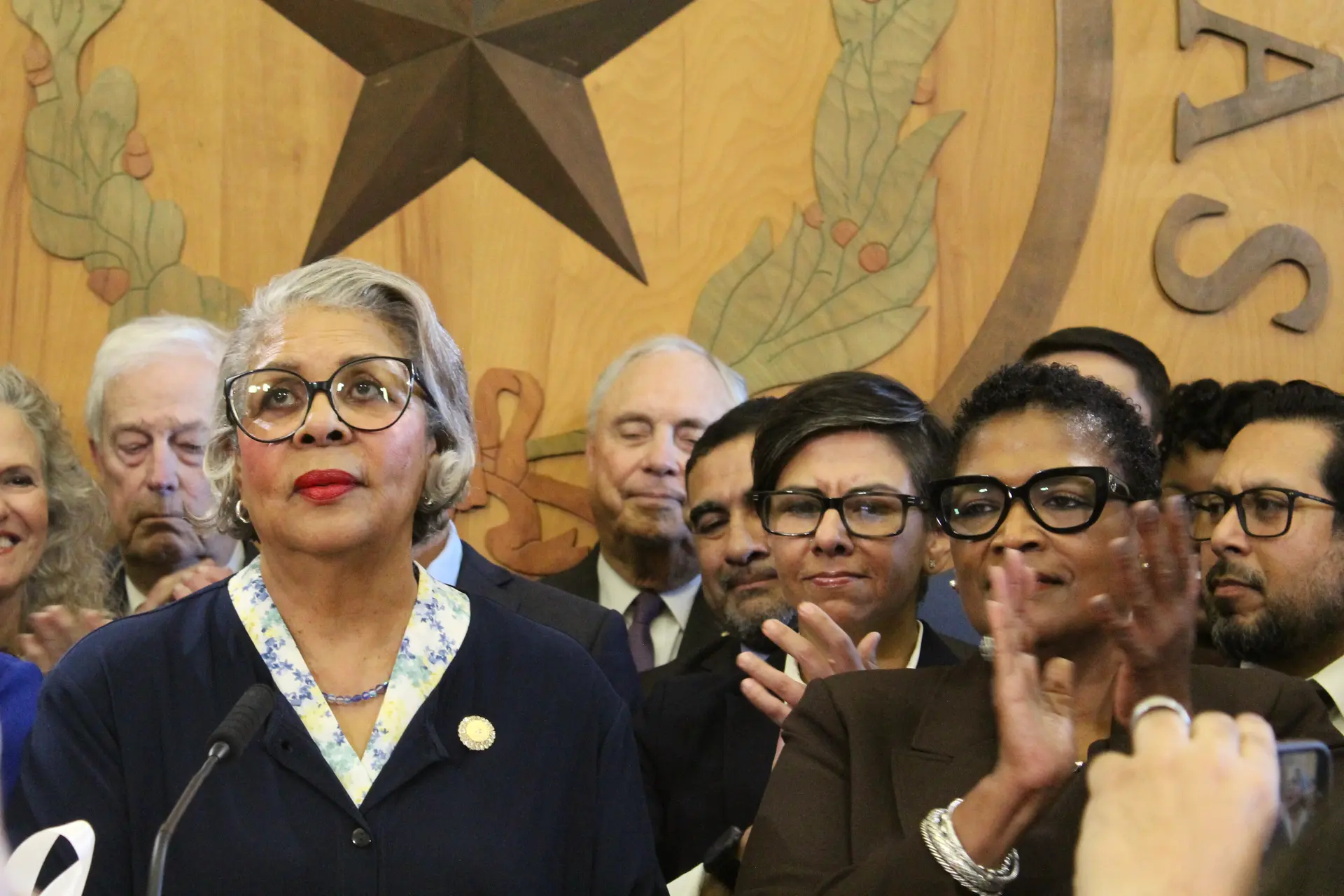
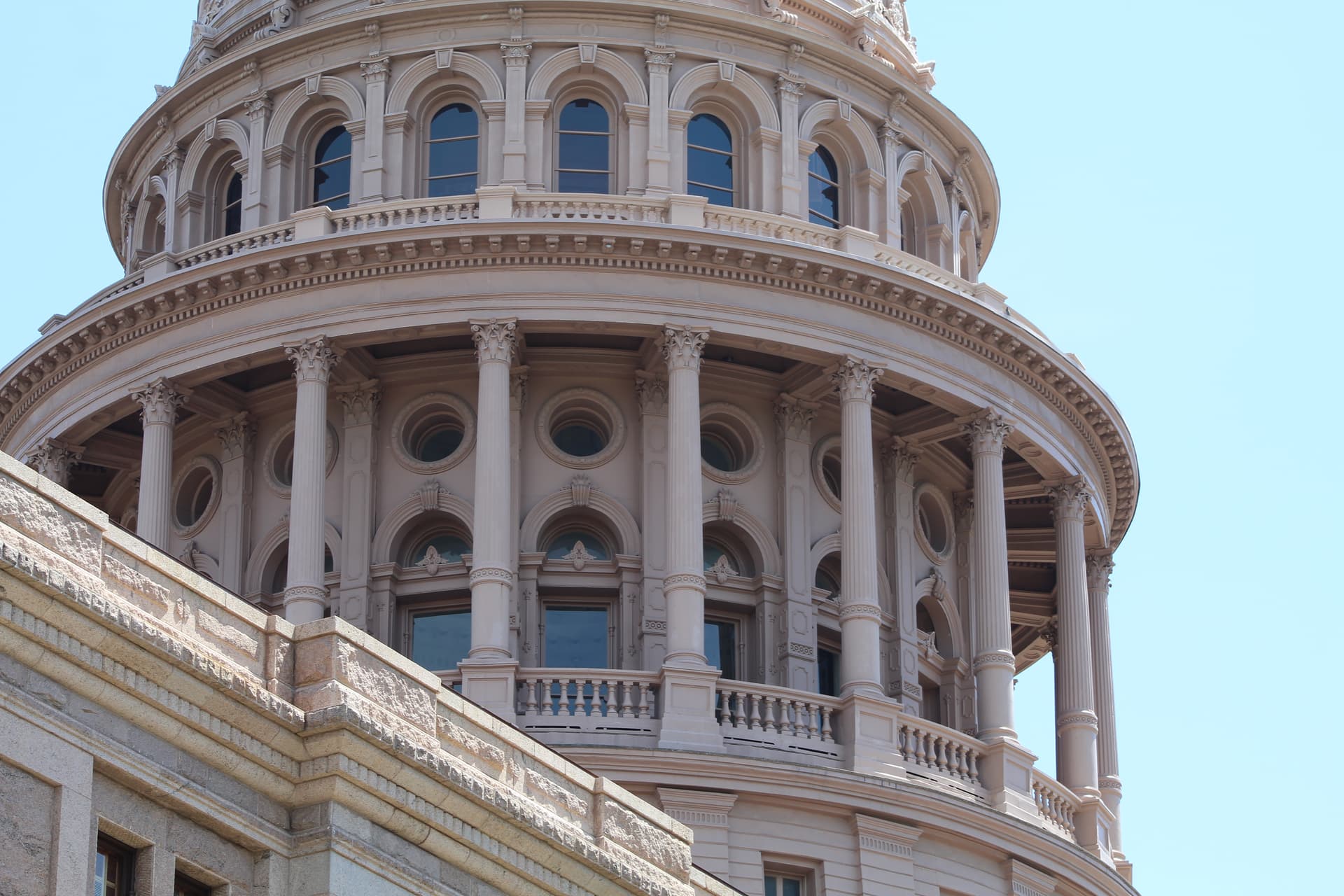
Texas lawmakers and legislators-elect began filing new bills on Nov. 9, unofficially kicking off the 90th state legislative session. By noon, they had submitted more than 1,000 legislative proposals that they hoped would be considered at the state Capitol next year.
What's happening
When the 90th legislative session begins Jan. 12, Texas will be led by all Democratic statewide officials. Democrats also won control of the Texas House during the Nov. 3 election, while Republicans retained Senate control.
Democratic lawmakers were the first to file bills in both legislative chambers, signaling some of the party's priorities as Texans prepare for the first Democratic-led state government and divided legislature in a generation.
State Rep. John Bucy, D-Austin, filed bills that would direct the Texas Health and Human Services Commission to expand who is eligible for Medicaid in the state. The proposed expansion would draw on federal funds to offer coverage to an additional 1.4 million Texans, Bucy's office said.
"As we head into the 90th legislative session, we have an incredible opportunity to turn the priorities Texans voted for into real progress," Bucy said in a Nov. 9 statement. "I'm excited to get to work with my colleagues, find common ground and deliver a government that works for the people we serve."
Sen. Judith Zaffirini, a Laredo Democrat and the first to file in the upper chamber, was one of several legislators to propose tightening regulations on data centers. Zaffirini's bills would adjust counties' authority to regulate data center development, require that data centers do not drive up electricity costs for Texas residents and mandate that data center developers receive permits from the state's Public Utility Commission before beginning construction. Currently, construction projects impacting at least one acre of land—including data centers—generally require permits from the Texas Commission on Environmental Quality, although previous reporting shows the agency continued processing some permits after Gov. Greg Abbott ordered a pause.
Legislators from both parties sought to address data center development amid consistent public criticism of the industry. A bipartisan Senate proposal to revoke state tax incentives for the data center industry had the support of 23 of Texas' 31 senators and senators-elect as of press time.
Sen. Bob Hall, R-Edgewood, filed a proposal to end the state lottery after a similar effort failed last legislative session, according to previous Community Impact reporting. Another bill by Hall abolished the Texas Lottery Commission last year, transferring operations to the Texas Department of Licensing and Regulation and limiting how many lottery tickets people can purchase at a time.
Something to note
In Nov. 9 bill filings, some Democrats also proposed repealing policies that were passed by the Republican-controlled legislature in recent years, including local immigration enforcement agreements; the state's year-old education savings account program; bans on diversity, equity and inclusion practices at state universities; and a requirement that public schools display donated posters of the Ten Commandments.
These proposals will likely face pushback in the state Senate, which will remain majority-Republican. Democrats and Republicans will need to strike a balance, as bills cannot become law until they are approved by both legislative chambers and signed by the governor.
During the 89th regular session in 2025, lawmakers filed over 8,700 bills and about 1,200 of them became law, legislative data shows.
More details
Lawmakers had filed at least 57 constitutional amendments before press time Nov. 9. Amendments to the Texas Constitution require support from two-thirds of state lawmakers—100 House members and 21 senators—before they are placed on the ballot in the November election following a legislative session.
The proposed constitutional amendments included:
Establishing an independent redistricting commission that would redraw Texas' congressional, legislative and State Board of Education districts, which are currently created by state lawmakers
Prohibiting local government entities from charging property taxes
Creating term limits for lawmakers, elected officials and state employees
Expanding the amount of time lawmakers have to vote on bills during a 140-day regular legislative session
Allowing two-thirds of lawmakers to petition for a special legislative session, which currently can only be called by the governor
Giving the legislature the authority to legalize and regulate casino gambling and sports betting
A bipartisan bill would change Texas' state bird from the mockingbird to the golden-cheeked warbler, an endangered songbird that nests only in Central Texas, according to the U.S. Fish and Wildlife Service.
This story is developing and may be updated.