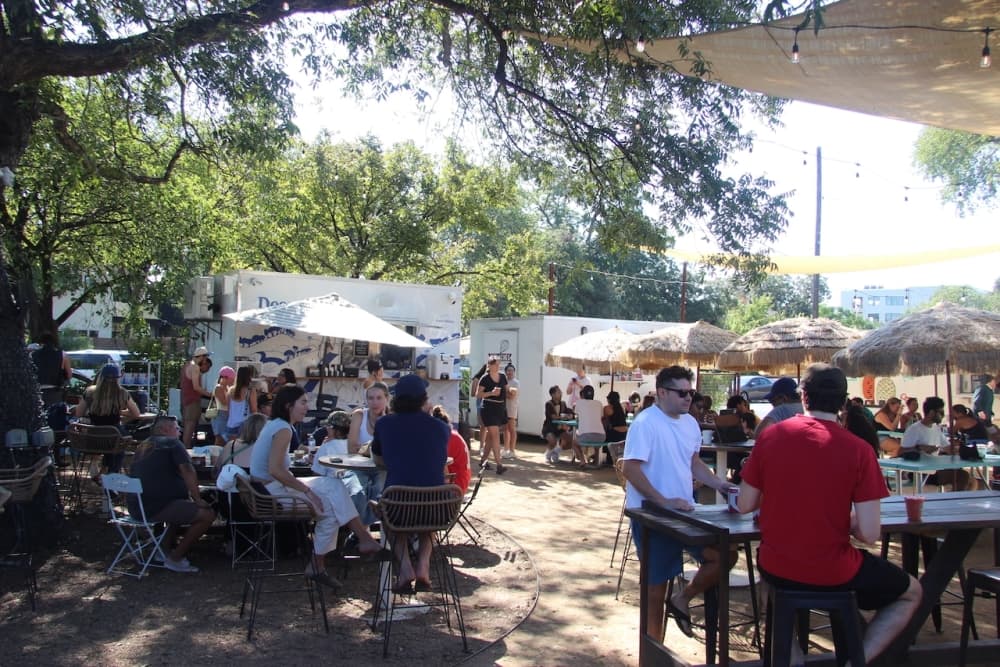
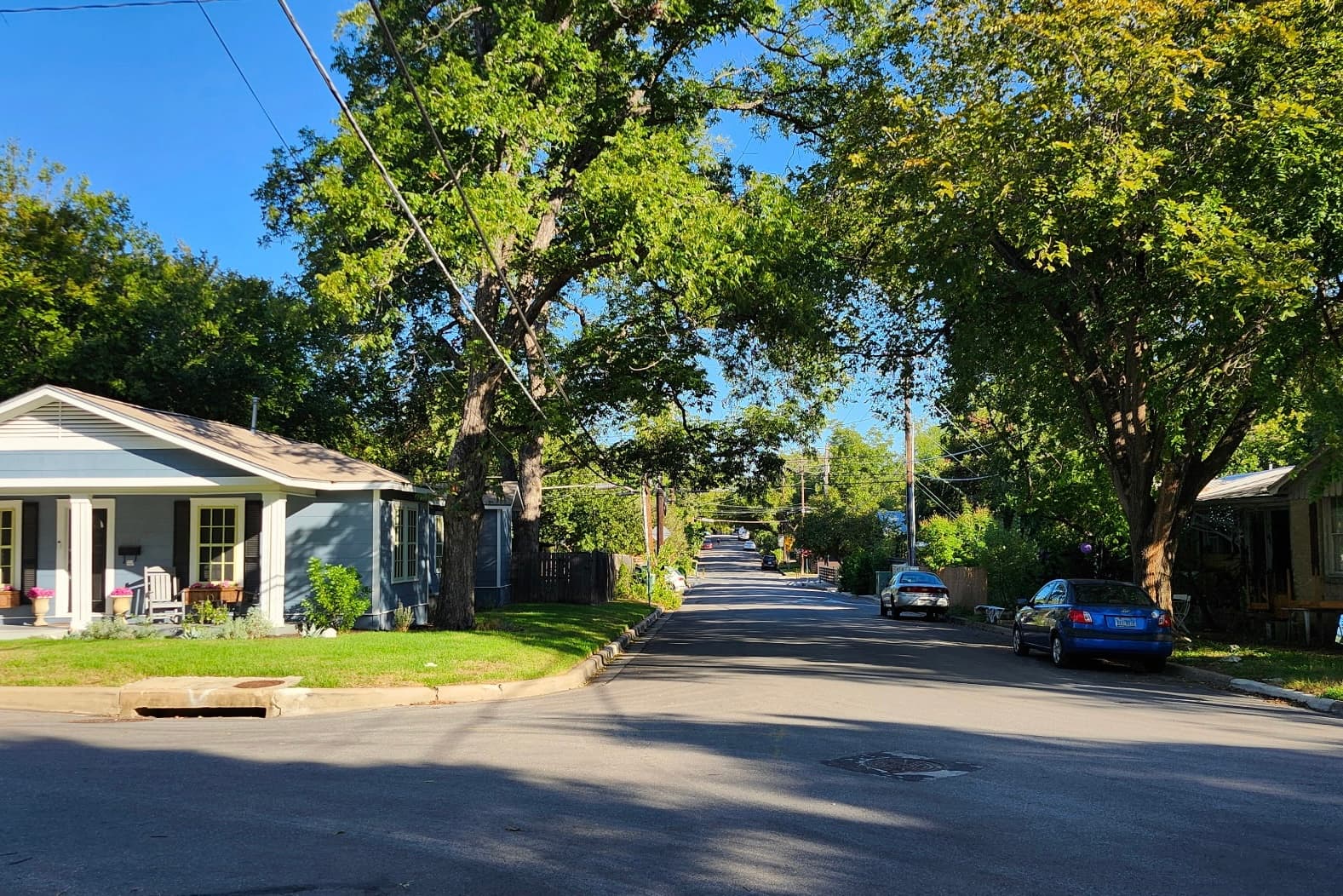
A new plan to expand home-based business operations in Austin comes months after City Council approved a separate measure to support smaller vendors in city neighborhoods. (Ben Thompson/Community Impact)
Austin will soon allow more small-scale business operations out of residents' homes under a new commerce plan advanced by City Council this spring.
The overview
Labeled the “Strong Local Commerce” initiative, the proposal from council member Natasha Harper-Madison opens the door to what her office called “micro-scale” neighborhood storefronts. The city's move comes months after state legislation loosened some regulations on home-based business and food operations. It also follows council action last year to encourage cafe operations in communities.
“By moving commerce from hidden spare rooms to the visible life of the street, we are creating the first rung of an Economic Ladder for neighbors who have historically been excluded from traditional business opportunities,” Harper-Madison said on council’s message board. “Austin shouldn’t just support small businesses; we should support the people becoming small businesses.”
The details
Harper-Madison described the new local regulations as a way to "decentralize economic opportunity" by:
Formally endorsing front-yard businesses, or retail that's "intentionally integrated into the streetscape" and primarily serves nearby residents neighbors, and allowing features like closer placement to sidewalks and "modest" signage
Codifying rules permitting accessory retail units up to 200 square feet on residential properties, and on-site sales from those spaces
Small home-based businesses would still be subject to some adjusted city development standards. Regulatory updates would remove some restrictions on daily customer traffic and how residential properties can be used for business purposes. Harper-Madison's initial resolution also included a prohibition on tobacco sales.
The new policies were recently discussed at City Hall as a way to expand the "missing middle" of commercial operations in Austin. Representatives with the civil liberties law firm Institute for Justice presented policy recommendations to council's Economic Opportunity Committee that included updates to home-based and accessory business regulations.
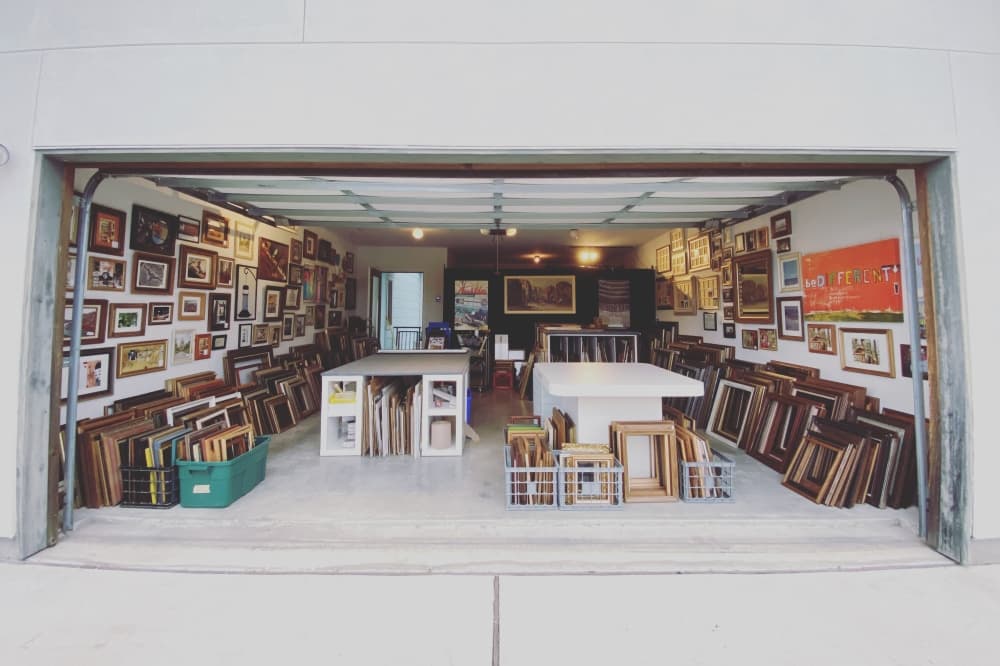
The changes could lead to more retail options like the east side's Vintage Framing Studio, one existing business referenced in the nonprofit's reporting. Owner Jennifer Worth runs the studio from her rented house after previously having a physical location, and said she's been able to cut costs since reopening from her garage.
“It has been super beneficial because I do keep my prices low and it allows me to have a business without so much overhead. Like, I would not be able to stay in business if I had to pay a lease or rent a place out. It's just too expensive," she said in an interview. "It's just way more convenient just to be able to run a business from your house.”
Vintage Framing Studio owner Jennifer Worth said operating a home-based location has helped her business in Austin. (Courtesy Vintage Framing Studio)
The approach
To start, Austin will run a one-year evaluation to monitor how the commercial program impacts certain neighborhoods before it potentially widens to more locations. A city task force will also be formed to streamline business permitting and track program outcomes.
The neighborhood storefront initiative's first year will only take place in designated "pink zones" across all City Council districts during the trial phase. Those zones could feature a mix of business types with various levels of visibility, while the city will collect data on traffic and parking impacts and report on residents' reactions.
The commerce program will officially roll out later this year. An implementation plan, including proposed regulatory changes and trial run areas, is expected in three months. The city will evaluate the pilot before the new business initiative expands.
What they're saying
Mayor Pro Tem Chito Vela said officially allowing different types of commercial activity would be beneficial citywide, particularly for those who don't run brick-and-mortar storefronts.
“If you go out to Rundberg [Lane] and Lamar [Boulevard] on Sunday afternoon, there are a lot of vendors out there. Folks selling clothes and food and just about everything under the sun there," he said. "It’s a real pent-up demand, especially among our working-class communities, our immigrant communities. There’s a real entrepreneurial spirit there, it just needs to be facilitated.”
Worth said her home-based business has allowed her to connect with more customers in her neighborhood, a trend she'd hope to see grow under the city's proposed allowances.
“I’ve been in the Austin area since ‘77. It’s a city now, it’s a big city, but each neighborhood does retain its identity. And making it a little bit more walkable, it’s going to help all the businesses to get people out," she said. "It just helps the community when people know each other and are willing to do things for and together. I just think it’s a real benefit, allowing communities to be communities."
Council member Krista Laine also pointed to opportunity that simplified home-based business rules could bring to more of the Austin community. For example, she noted past city action to support children's lemonade stands without official permits, while other similar types of products still aren't allowed.
"I really, really see the value of being more connected to the neighbors inside our neighborhoods, and having places I can walk where I can engage in ways that relate to commerce and support my neighbors and my neighborhood and the stability of my neighborhood, without having to get in my car," she said. "The leap that has to be made to be able to sell chai at a chai stand is way too big versus what it is for selling lemonade.”
City Council just passed a resolution to explore home-based micro-businesses! Thank you @NatashaD1atx for bringing this forward. I believe micro-commerce will add to the unique charm of Austin, improve walkability of neighborhoods, & increase connectivity among neighbors.