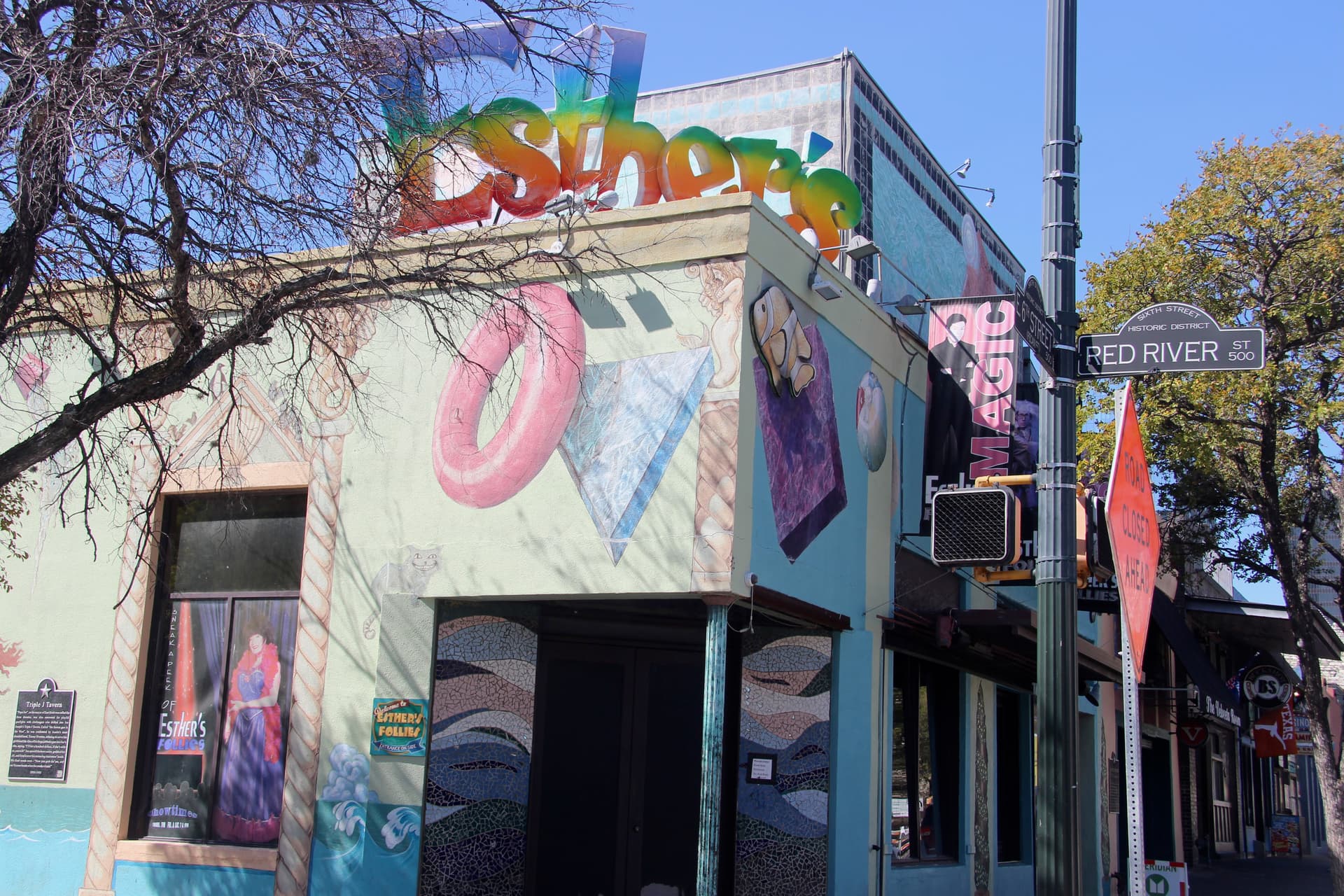
A city economic incentive awarded to Esther's Follies will support venue improvements and a preservation initiative as the longtime venue nears its 50th anniversary downtown. (Ben Thompson/Community Impact)
Austin awarded $1.21M in incentives to four local businesses and organizations this fall under an assistance program for small and legacy enterprises facing economic pressures.
The overview
The Place-Based Enhancement Program, one of the city's several economic incentives, was created to support established local businesses and other entities with commercial affordability relief. The program can help provide lower-cost leases, aid new project development, preserve legacy venues and creative spaces, and build out infrastructure tied to wider community plans.
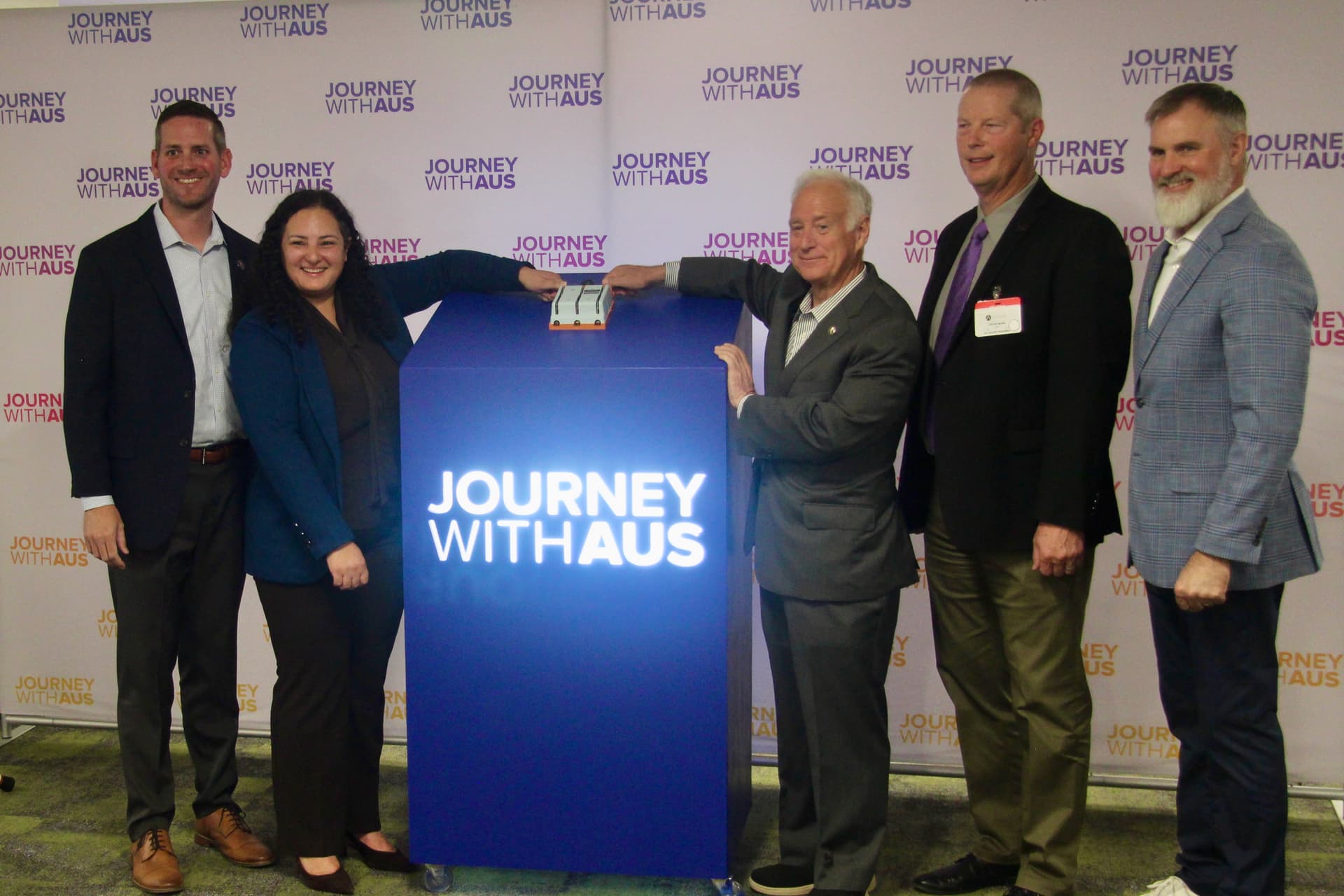
City Council signed off on four program agreements Oct. 22: three for preservation and one for affordable space. Austin Economic Development Director Mac Cummins said the organizations supported this fall are an important piece of Austin's economy.
“They are the places where people meet, where neighborhoods build their identity and where many of the experiences we associate with Austin take shape," he said in a statement. "By bringing together people, place and business, they create economic activity while also strengthening the sense of community that makes Austin a place people want to live, work, visit, and invest in. That connection is at the heart of economic development.”
The details
The authorized incentive agreements include:
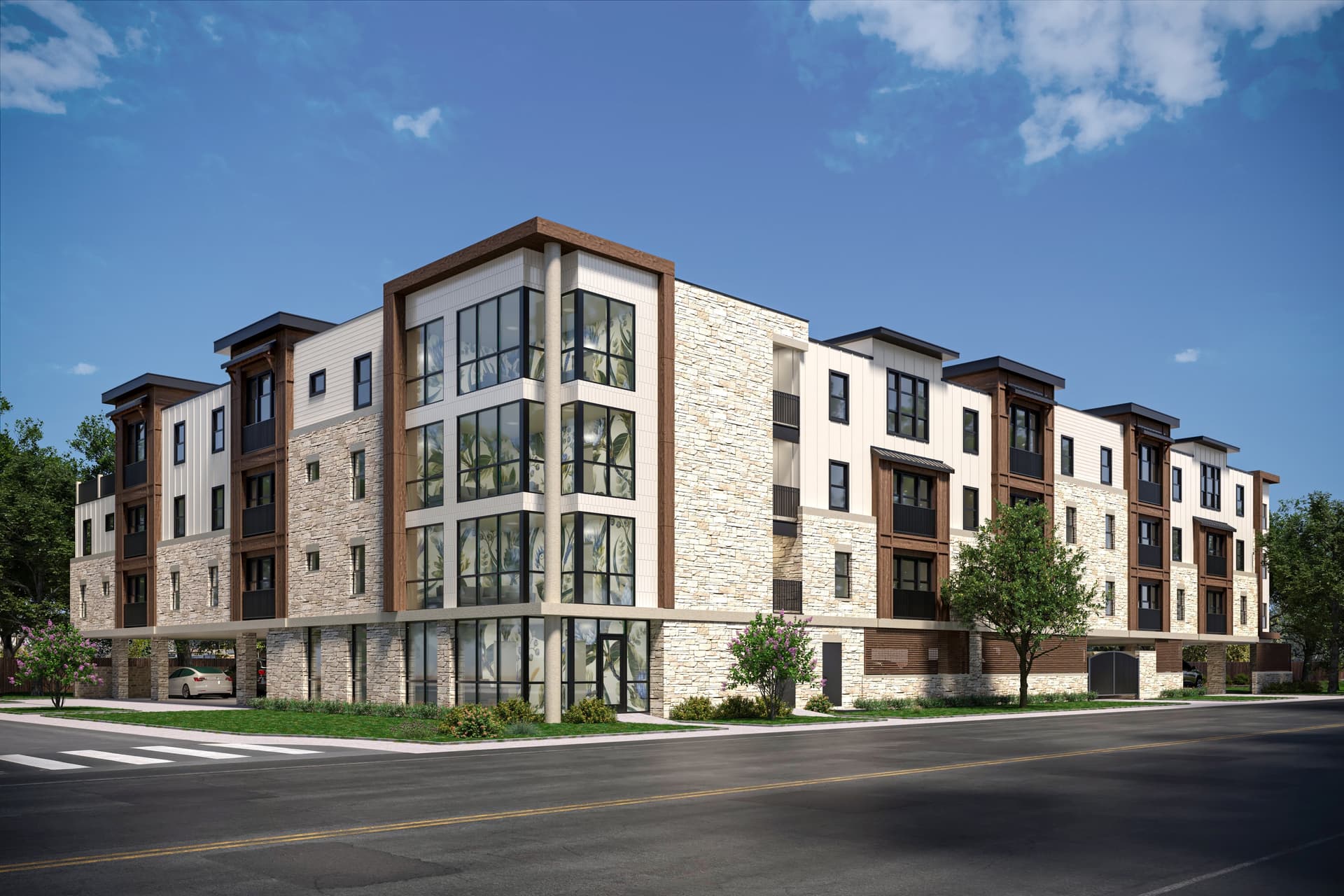
$864,210 over 10 years for Waverly North, a planned North University housing development
$182,664 over five years to maintain the Esther’s Follies theater space downtown
$84,390 over five years to support the Escuelita del Alma childcare center following a relocation
$82,077 over five years to Royal Blue Grocery for its downtown retail operations
This fall's funding represented the latest awards under the Place-Based Enhancement Program since city officials voted to expand some of Austin's economic development initiatives last year. In March, two Southwest and Central Austin fixtures received nearly $140,000 to support their continued operations.
Beyond community impacts, the city projects this fall's economic assistance will result in nearly $2 million in net financial benefits for Austin over the coming years.
The specifics
Waverly North is being developed by O-SDA Industries and is set to open in Central Austin by late 2028. It's an adaptive reuse project that'll repurpose a historic structure at 3710 Cedar St. with 76 affordable studio to three-bedroom apartments. City leaders previously directed $5.5 million from the 2022 housing bond to Waverly North and supported its application for state tax credits.
The new city incentive is meant to offset the costs of developing and running office space for the Housing Support Services Alliance, or HSSA. The nonprofit will provide eviction prevention and case management services to tenants of Waverly North and other nearby properties.
"By eliminating HSSA’s lease expense and providing space suited to its daily operations, the project will expand the organization’s capacity to deliver housing-stability services directly within the communities it serves," city staff reported.
Esther’s Follies on Sixth Street, labeled by the city as a "creative anchor" in the Red River Cultural District downtown, is nearing its 50th anniversary of hosting music, comedy, magic and other performances. Austin's five-year property tax reimbursement will support facade improvements, infrastructure updates and a preservation initiative.
“This is exactly the type of investment we ought to be making in the arts … preserving spaces that are inclusive and active, and they [serve] as an alternative in an area predominantly focused on nightlife," Mayor Kirk Watson said Oct. 22.
With the award announcement, Esther’s Follies founders also said they're now seeking partnerships to preserve the venue's extensive archive of photographs, posters, programs, costumes and other memorabilia that document its history as well as the evolution of the local cultural landscape.
At its founding in 2000, Escuelita del Alma was Austin's first Spanish-immersion preschool and has remained a childcare fixture since then. However, it's faced closure risks and other pressures since a downtown redevelopment and the I-35 expansion project forced it to relocate in 2008 and in 2022.
The school's current home in East Austin now serves almost 230 students, but opening the new campus required it to dip "heavily" into its savings and face a higher tax burden. The city economic incentive is aimed at offsetting some costs from its re-establishment to maintain the new, expanded location.
“[The agreement] will help stabilize operations for a legacy Spanish immersion childcare provider following relocation, preserving essential childcare capacity for communities that are at immediate risk of cultural erasure and displacement," Watson said.
The locally owned Royal Blue Grocery has operated for two decades across multiple locations. The city reported the retailer is now experiencing negative business impacts due to challenges like lower hotel bookings and increased office vacancies and construction activity downtown.
City staff noted Royal Blue's history of supporting improvements to the downtown visitor experience, including programs to promote outdoor seating and dining, as well as its charitable donations and participation in disaster relief efforts. The new incentive will support a patio rehabilitation at its Third Street location and the store's retention in Central Austin.
“Not only is this an investment in a legacy Austin business, but it’s also an investment in pedestrian-oriented retail fabric that is so important to a functional downtown," Watson said.
A city economic incentive is aimed at improving and retaining Royal Blue Grocery's Third Street location downtown.Ben Thompson/Community Impact