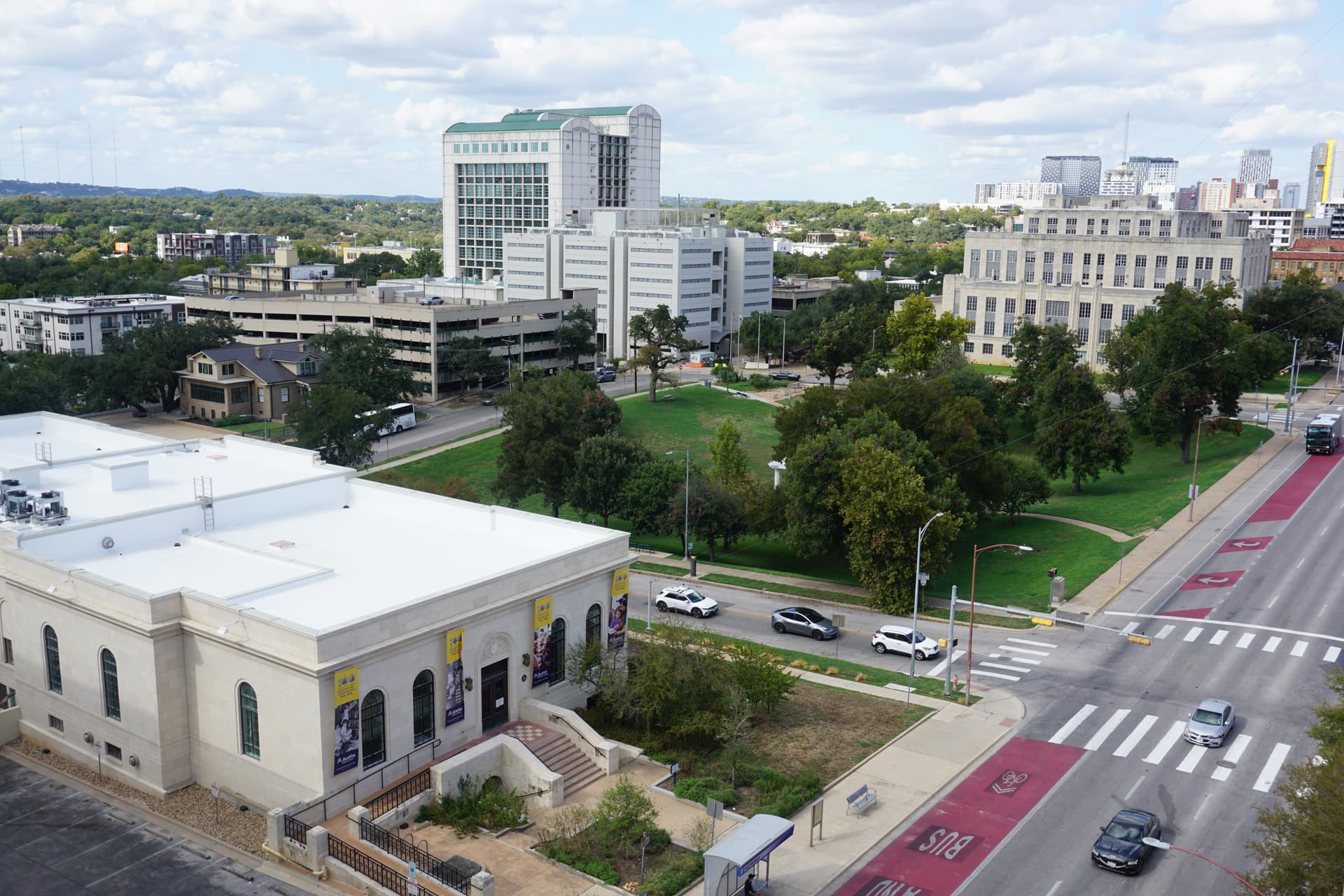
The Austin Convention Center redevelopment is one of several major public projects that have prompted focus on local workforce initiatives. (Ben Thompson/Community Impact)
With billions of dollars of infrastructure projects in progress across the city, Austin leaders moved to encourage more trainees in the local construction workforce by strengthening a city trades program.
“We all know that Austin is building at an historic level right now," Mayor Kirk Watson said Oct. 8. "We have over $25 billion in infrastructure projects that are moving forward. We’re creating the infrastructure of a successful major American city, and it’s a tremendous investment. But the most important thing we’re creating is opportunity as a part of all of this.”
The overview
Austin leaders created the Construction Training Program in 2018, requiring that contractors on city infrastructure projects include early-career construction trainees in their workforce.
The program applies to all projects that cost $500,000 and up. For projects budgeted at $10 million or more, at least 15% of a contractor's workforce must be current or past participants in Department of Labor-certified training or apprenticeship programs.
A city workforce program requires contractors on major projects to involve early-career construction workers.Courtesy city of Austin
Watson said the city enacted its standards to help develop a qualified construction workforce and expand economic opportunities with added training. He also said research has shown that contractors employing better trained workers end up completing their projects with greater safety, efficiency and quality.
Zooming in
The proposed program update he sponsored this fall would shift Austin's existing policies by focusing more on active trainees.
The change would allow only current participants in construction apprenticeships, and not past graduates, to count toward the city's program requirement for $10 million-plus projects. It would also require those trainees to make up at least 20% of a contractor's project workforce, up from the current 15% benchmark.
Those updates will gradually roll out from 2027 into 2028 to allow for apprentice recruitment and program adjustments. The changes represent a "reasonable phased approach" to strengthening the city program as registered apprenticeship programs continue growing at a record pace, Watson said, and ensure major investments around town benefit more members of the community.
“It’s crucially important that we think intentionally about who gets to participate in Austin’s success. Not just how many jobs or W2s we create, but how many Austinites we move into stable, meaningful family-supporting careers and get those W2s," Watson said.