


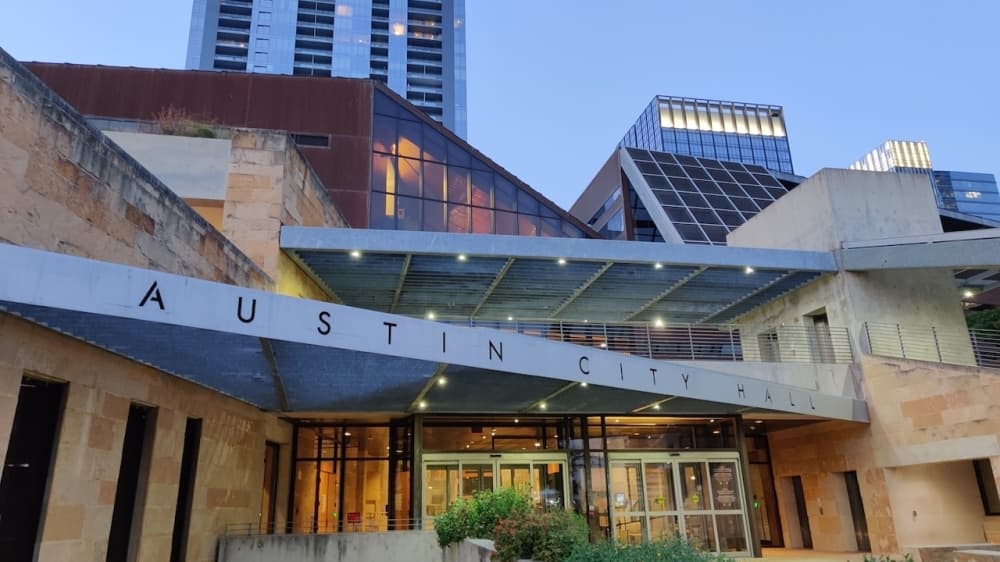
Austin's November City Council election is in line to proceed as planned after a Travis County judge sided with the city in a lawsuit alleging voters were disenfranchised by last year's redistricting and should have a chance to vote for their new council representatives.
Following the May 17 decision from Judge Lora Livingston, Austin's November election features only the positions of mayor and council member for Districts 1, 3, 5, 8 and 9 on the ballot. In addition to those seats, the lawsuit had requested an expanded election that would have thrust Council Members Vanessa Fuentes, Chito Vela, Mackenzie Kelly, Leslie Pool and Alison Alter into unexpected midterm re-election races for the chance to serve out the remainder of their current terms.
The lawsuit was filed by a group of 13 residents who were shifted between council districts after boundary lines were redrawn last fall during the city's redistricting—the first to take place since voters approved a 10-1 geographic council system. The residents, represented by attorney Bill Aleshire, claimed that thousands of voters who were moved from one district to another were disenfranchised through that process. Attorneys for the city argued that plaintiffs did not have standing to bring their complaint, and that Austin's redistricting and council election systems do not infringe on voters' rights.
Austin officials serve on staggered terms, and elections for half of all council seats take place every two years. The lawsuit held that, due to redistricting, any voters moved into a council district without an election this fall should still have the opportunity to vote. Plaintiffs asked for all 11 council positions to be placed on this November's ballot, which Aleshire had said would grant all residents an equal chance to vote for someone who would represent them for at least two years.